
Technical SEO is the foundation of every successful website. Even if you publish high-quality content and build strong backlinks, your pages may struggle to rank if search engines cannot crawl, index, or understand your website correctly. A well-planned Technical SEO Guide helps website owners improve performance, increase visibility, and provide a better experience for visitors.
Technical SEO focuses on optimizing the behind-the-scenes elements of a website rather than the written content. It includes improving website speed, mobile responsiveness, crawlability, security, structured data, and overall site architecture. These improvements help search engines access your pages efficiently while making navigation smoother for users.
What Is Technical SEO?
Technical SEO is the process of optimizing your website’s technical infrastructure so search engines can crawl, understand, and index your pages more effectively.
It ensures that search engines can access your content without encountering errors or unnecessary obstacles.
A technically optimized website loads faster, works well on all devices, remains secure, and provides a logical structure that benefits both visitors and search engines.
Why Technical SEO Is Important
Search engines prefer websites that are fast, secure, and easy to crawl. Technical SEO creates the conditions that allow your content to perform at its best.
Some key benefits include:
- Faster website loading
- Better crawl efficiency
- Improved indexing
- Stronger user experience
- Higher search visibility
- Better Core Web Vitals
- Increased organic traffic
Ignoring technical SEO can prevent even high-quality content from reaching its full ranking potential.
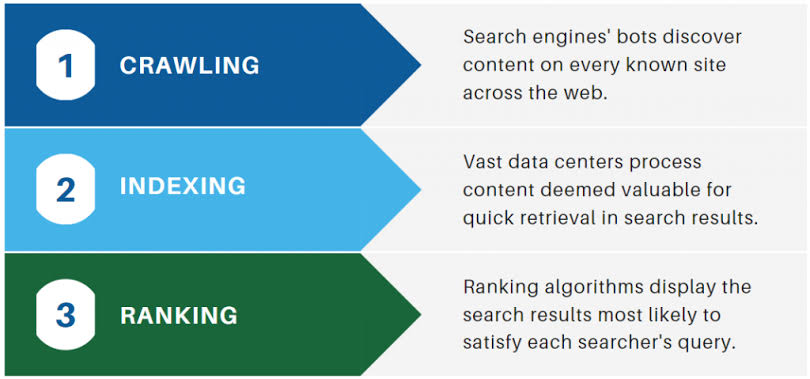
Website Crawling and Indexing
Crawling and indexing are two of the most important processes in search engine optimization.
Crawling
Search engine bots visit your website and discover pages by following internal links.
If pages cannot be crawled because of technical issues, they may never appear in search results.
Indexing
After crawling, search engines analyze and store pages in their index.
Only indexed pages are eligible to appear in search results.
Improving crawlability and indexing ensures your valuable content has the opportunity to rank.
Improve Website Speed
Website speed is one of the most important technical SEO factors.
Slow websites often experience higher bounce rates and lower user satisfaction.
You can improve speed by:
- Compressing images
- Enabling browser caching
- Using page caching
- Minifying CSS and JavaScript
- Reducing unnecessary plugins
- Choosing reliable hosting
- Using a Content Delivery Network (CDN)
Quick-loading websites provide value to visitors and are generally favored by search engines.
Mobile-Friendly Design
Most internet users browse websites on mobile devices.
Your website should automatically adjust to different screen sizes while maintaining readability and usability.
A responsive design improves navigation, user engagement, and overall search performance.
Always test your website on smartphones, tablets, and desktops.
Secure Your Website with HTTPS
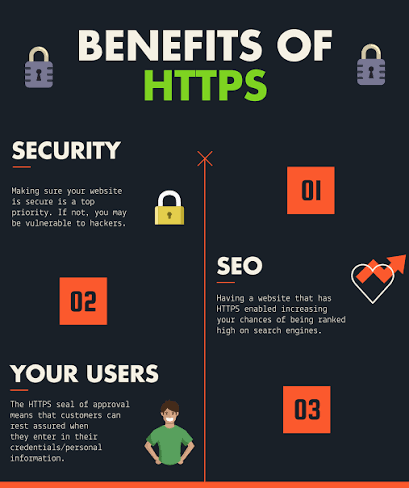
Website security is another important ranking factor.
Installing an SSL certificate enables HTTPS, which encrypts communication between visitors and your website.
Benefits include:
- Better security
- Increased user trust
- Browser security indicators
- Improved SEO performance
Modern websites should always use HTTPS instead of HTTP.
Optimize Website Structure
A well-organized website helps users and search engines navigate content efficiently.
An effective structure usually follows this pattern:
- Home
- Categories
- Subcategories
- Individual pages
Every important page should be accessible within a few clicks from the homepage.
A clear hierarchy also supports better internal linking.
Optimize URL Structure
URLs should be simple, descriptive, and easy to understand.
Good example:
example.com/technical-seo-guide
Poor example:
example.com/page?id=4589
Short, keyword-focused URLs improve readability and help search engines understand page topics.
XML Sitemap
An XML sitemap lists the important pages on your website.
It allows search engines to crawl and index new or updated content more effectively.
Update your sitemap whenever significant changes are made to your website.
Submitting an accurate sitemap improves crawl efficiency.
Robots.txt File
The robots.txt file tells search engines which areas of your website they should or should not crawl.
Proper configuration prevents unnecessary crawling while ensuring valuable pages remain accessible.
Avoid blocking important pages accidentally, as this may affect indexing.
Internal Linking
Internal links connect related pages throughout your website.
Benefits include:
- Better navigation
- Improved crawlability
- Distribution of page authority
- Increased user engagement
Use descriptive anchor text and link only to relevant content.
Fix Broken Links
Broken links create a poor user experience and waste crawl resources.
Regularly check your website for:
- Missing pages
- Incorrect URLs
- Redirect errors
Repairing broken links keeps your website healthy and improves SEO performance.
Canonical Tags and Duplicate Content
Canonical tags indicate to search engines which page should be recognized as the original or preferred version.
. Sometimes the same content can be accessed through multiple URLs, creating duplicate content issues. A canonical tag points search engines to the preferred URL, helping consolidate ranking signals and avoid confusion.
Using canonical tags correctly ensures that search engines index the right page and attribute authority to a single version of the content.
Structured Data (Schema Markup)
Structured data, also known as Schema Markup, helps search engines better understand your website’s content. By adding structured data, you provide additional information about articles, products, reviews, FAQs, recipes, and other content types.
Benefits of structured data include:
- Improved understanding of your content
- Eligibility for rich search results
- Better visibility in search listings
- Higher click-through rates
Although structured data does not directly improve rankings, it can increase your website’s appearance in search results and attract more visitors.
Core Web Vitals
Core Web Vitals are performance metrics that measure the user experience of your website. Google measures website experience through three main Core Web Vitals metrics.
Largest Contentful Paint (LCP)
LCP measures how quickly the main content of a page becomes visible. Interaction to Next Paint (INP)
INP evaluates how quickly a website responds to user interactions such as clicks and keyboard input. Responsive pages improve usability.
Cumulative Layout Shift (CLS)
CLS measures unexpected layout movement while a page is loading. Stable layouts prevent accidental clicks and create a smoother browsing experience.
Improving these metrics contributes to better overall website performance.
Optimize Images for Better Performance
One of the most common factors behind slow websites is the use of unoptimized image files.
To optimize images:
- Compress images before uploading.
- Choose appropriate dimensions.
- Use modern image formats where supported.
- Add descriptive file names.
- Include meaningful alt text.
Well-optimized images improve loading speed while maintaining visual quality.
Improve Internal Linking
A strong internal linking strategy helps search engines discover important pages and understand the relationship between your content.
Best practices include:
- Link related articles naturally.
- Use descriptive anchor text.
- Connect new content with existing pages.
- Avoid excessive internal links on a single page.
Internal links also encourage visitors to explore more content, increasing engagement.
Prevent Duplicate Content
Duplicate content can confuse search engines and reduce the visibility of your pages.
You can minimize duplicate content by:
- Using canonical tags.
- Creating original content.
- Avoiding unnecessary duplicate URLs.
- Keeping category and tag pages organized.
- Managing pagination correctly.
Publishing unique, high-quality content remains one of the best long-term SEO practices.
Common Technical SEO Mistakes
Many websites lose valuable rankings because of avoidable technical issues.
Slow Website Speed
Heavy files, poor hosting, and unnecessary scripts can slow down a website and affect user experience.
Missing XML Sitemap
Without a sitemap, search engines may take longer to discover new pages.
Broken Internal Links
Broken links interrupt navigation and reduce crawl efficiency.
Poor Mobile Experience
A website that is difficult to use on mobile devices may lose visitors and search visibility.
Security Issues
Websites without HTTPS appear less trustworthy and may discourage users from interacting with them.
Technical SEO Checklist
Use this checklist to maintain a healthy website:
- Use HTTPS across the entire website.
- Improve page loading speed.
- Enable browser caching.
- Optimize images and media files.
- Create and submit an XML sitemap.
- Configure the robots.txt file correctly.
- Fix broken links regularly.
- Add structured data where appropriate.
- Improve internal linking.
- Test mobile responsiveness.
- Monitor Core Web Vitals.
- Update WordPress, themes, and plugins regularly.
Following these practices helps maintain strong technical performance over time.
Frequently Asked Questions (FAQs)
What is Technical SEO?
Technical SEO is the process of optimizing a website’s technical elements so search engines can crawl, index, and understand pages more effectively.
Why is Technical SEO important?
It improves website performance, user experience, crawlability, indexing, and overall search visibility.
Does Technical SEO help rankings?
Yes. A technically optimized website provides a better foundation for search engines to evaluate and rank your content.
How often should I perform a Technical SEO audit?
It is recommended to review your website regularly, especially after major updates, redesigns, or plugin changes.
Is Technical SEO different from On-Page SEO?
Yes. Technical SEO focuses on the website’s infrastructure, while On-Page SEO focuses on content, keywords, titles, and other page-level optimization.