
Many website owners focus heavily on content creation, backlinks, and keywords when trying to improve search engine rankings. While these areas are important, there is another factor that often gets overlooked: hosting.
The hosting environment behind a WordPress website plays a larger role than many people realize. It affects loading speed, uptime, security, user experience, and even how search engines interact with your website.
If your hosting service performs poorly, even well-written content may struggle to reach its full ranking potential.
This guide explains how WordPress hosting can influence SEO and why choosing the right hosting environment matters.
Why Hosting Matters for Search Performance
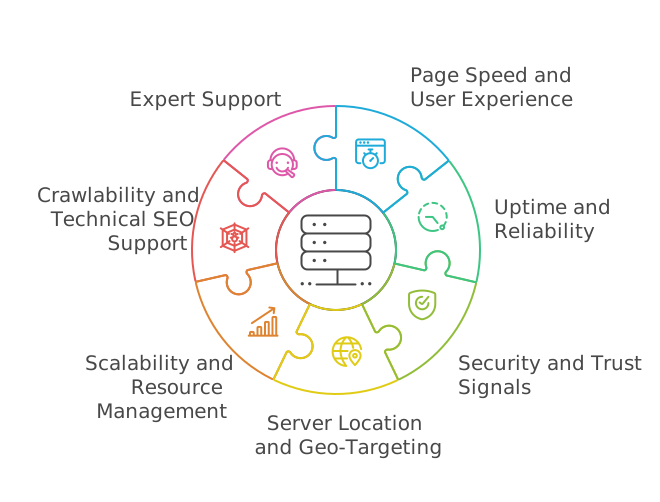
Hosting is where your website files, images, databases, and content are stored.
Whenever someone visits your website, the hosting server processes requests and delivers content to the visitor’s browser.
If the server responds slowly or becomes unavailable frequently, users and search engines can experience difficulties accessing your website.
Search engines generally prefer websites that provide smooth and reliable experiences.
Website Speed and Search Rankings
Loading speed has become increasingly important for both users and search engines.
Visitors expect websites to load quickly. If a page takes too long to appear, users often leave before interacting with the content.
Slow websites may lead to:
- Higher bounce rates
- Lower user engagement
- Reduced page views
- Poor user experience
Faster hosting infrastructure helps improve loading performance by processing requests more efficiently.
For example, better hosting environments often use:
- SSD storage
- server-side caching
- updated PHP versions
- optimized databases
These technologies can reduce loading times significantly.
Uptime and Website Availability

Uptime refers to how often your website remains accessible.
If your site repeatedly becomes unavailable, visitors and search engine crawlers may encounter errors.
Examples include:
- server downtime
- temporary connection failures
- unavailable pages
Frequent downtime can negatively affect user trust.
Reliable hosting providers usually offer strong uptime performance that helps websites remain available throughout the day.
User Experience and Website Performance
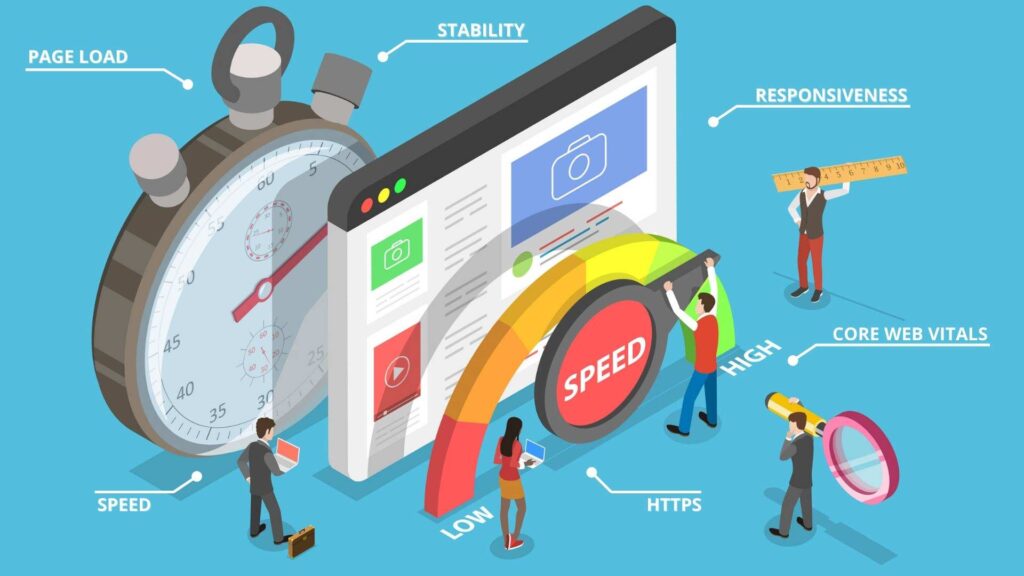
Search engines increasingly focus on user experience signals.
A fast and stable website creates a better experience for visitors.
Users generally expect:
- quick page loading
- smooth navigation
- responsive pages
- stable performance
Poor hosting can create delays and interruptions that reduce satisfaction.
Better hosting environments help create smoother interactions.
Server Location and Website Speed
Server location may also influence performance.
If your hosting server is located far from your audience, website content may take longer to load.
For example:
If most visitors come from the United States but the server operates from another region, additional loading delays can happen.
Content delivery systems and modern hosting technology can reduce this issue.
Security and SEO Performance
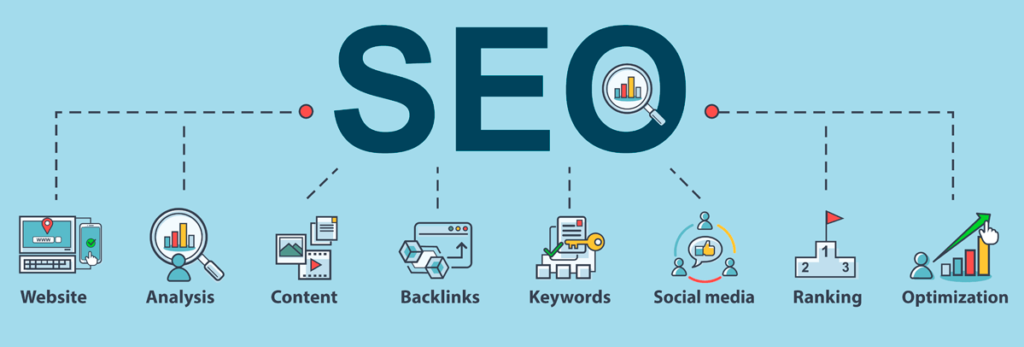
Website security plays an important role in maintaining search visibility.
Weak hosting environments can increase security risks such as:
- malware infections
- hacking attempts
- spam injections
- server vulnerabilities
If a website becomes compromised, search engines may display security warnings or reduce visibility.
Quality hosting providers usually include:
- malware protection
- automatic updates
- security monitoring
- SSL support
These features help maintain website trust.
Shared Hosting vs Managed Hosting
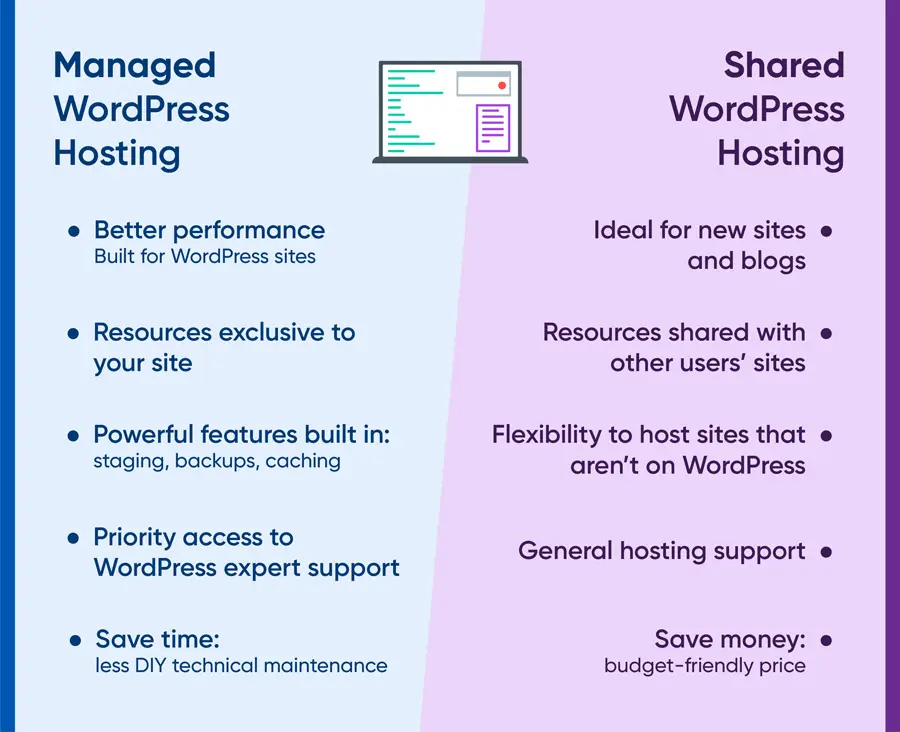
Various hosting solutions offer different speed, stability, and performance capabilities for websites.
Shared Hosting
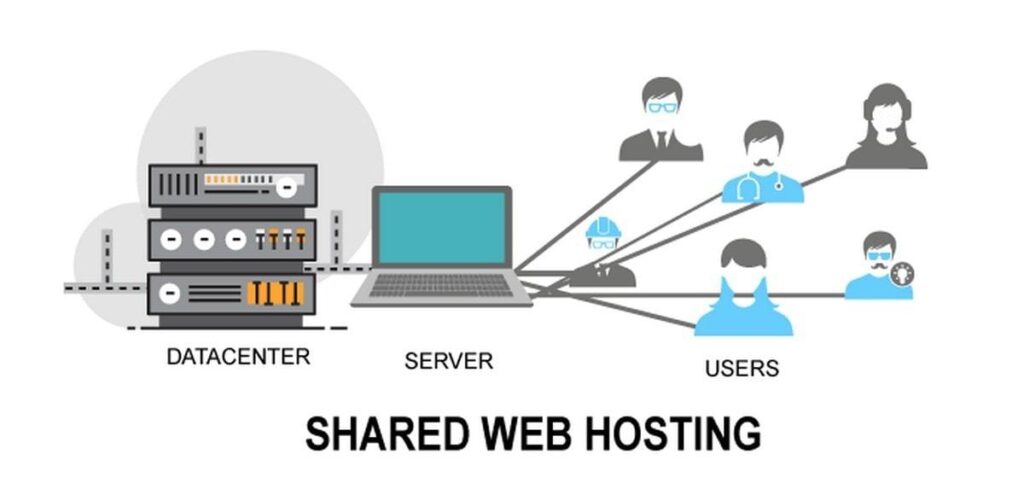
In a shared hosting environment, several websites operate using resources from a single server.
Advantages:
- lower cost
- beginner-friendly setup
Disadvantages:
- limited resources
- slower performance during traffic spikes
Managed WordPress Hosting
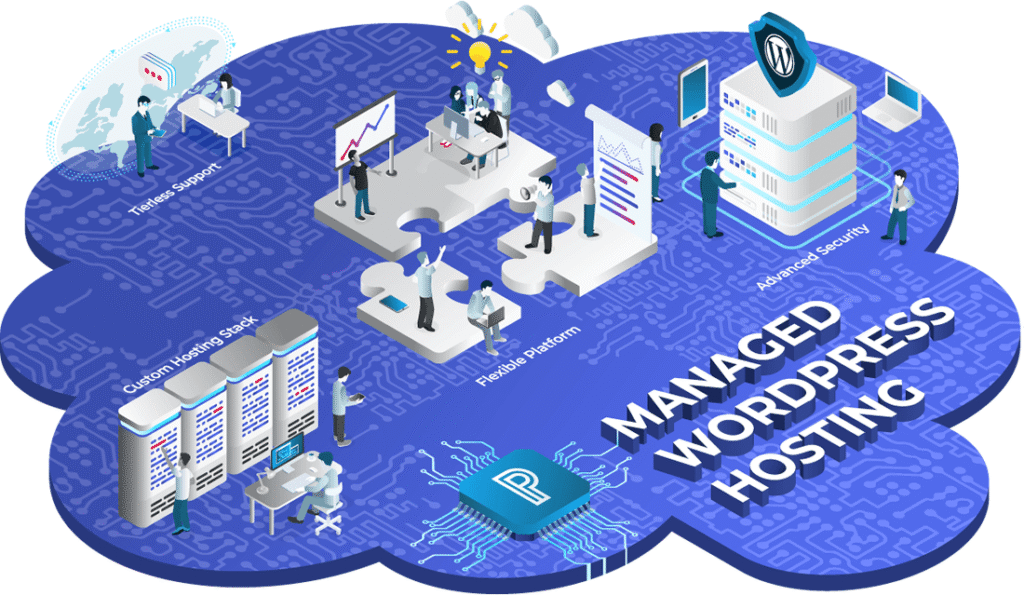
Managed WordPress hosting is built to provide optimized performance, security, and support specifically for WordPress-powered websites.
Advantages:
- automatic updates
- optimized performance
- enhanced security
- faster loading speeds
Disadvantages:
- usually higher pricing
Why Slow Hosting Can Hurt Rankings
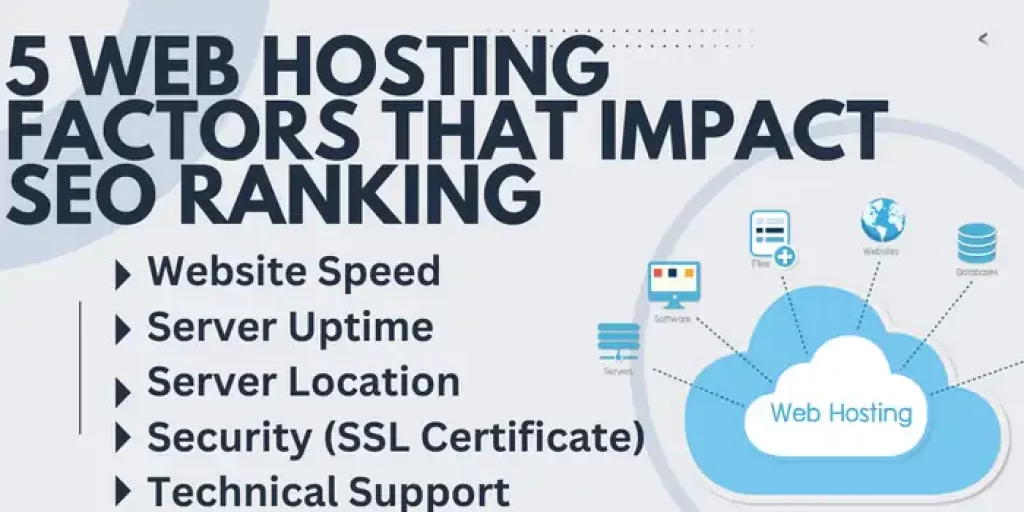
Weak hosting may not directly lower rankings, but it can create performance issues that negatively affect overall SEO results.
Examples include:
Increased bounce rates
Visitors may leave quickly if pages load slowly.
Crawl issues
Search engines have limited resources for crawling websites.
Slow servers may reduce crawling efficiency.
Lower engagement
Users often interact less with websites that perform poorly.
Over time, these issues can affect overall performance.
Signs That Your Hosting May Need Improvement

You may need better hosting if you notice:
- slow page loading
- repeated downtime
- server errors
- poor website performance during traffic increases
- security concerns
These signs often indicate that hosting limitations are affecting the website.
How to Choose Hosting for Better SEO Results

Before selecting hosting, consider the following:
Speed optimization features
Look for:
- SSD storage
- caching systems
- modern server technology
Reliability
Check uptime records and stability.
Security tools
Choose providers that include protection features.
Customer support
Technical support becomes important when problems appear.
Scalability
Your hosting should support future growth.
Final Thoughts
Hosting works quietly in the background, but its influence on website performance is significant.
Strong hosting creates a stable foundation for content, user experience, and website growth.
Even excellent content may struggle if visitors face slow loading speeds or website interruptions.
Choosing reliable WordPress hosting is not simply a technical decision. It is also an important step toward building stronger SEO performance and a better experience for users.
FAQs
Can hosting influence search rankings directly?
Hosting itself is not usually a direct ranking factor, but speed, uptime, and user experience can affect overall SEO performance.
Does slow hosting affect visitors?
Yes. Slow websites can frustrate users and increase page abandonment rates.
Is managed WordPress hosting better?
Managed hosting typically delivers improved performance, stronger security features, and better optimization for WordPress-based websites.
Can downtime affect SEO?
Repeated downtime can create crawling issues and reduce website accessibility.
What hosting features are useful for SEO?
Fast servers, SSD storage, caching systems, and strong uptime performance can support better website performance.