
The way software is built is changing fast. Instead of spending weeks writing code, many founders and small business owners are now using AI-powered platforms that can turn plain English instructions into working apps.
This new approach is often called vibe coding.
Whether you want to create a website, launch a SaaS product, build an internal business tool, or test an idea quickly, the latest AI builders can save time, reduce development costs, and help non-technical users move faster.
In this guide, we look at the best vibe coding tools in 2026, how they work, and which platform may fit your business goals.
Last updated: May 2026
What Is Vibe Coding?
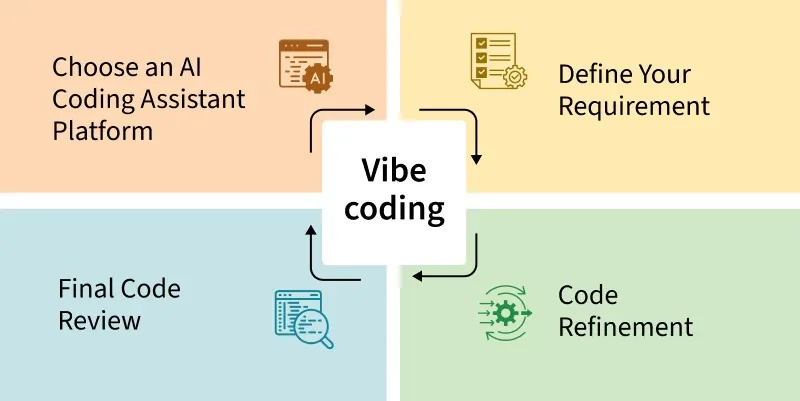
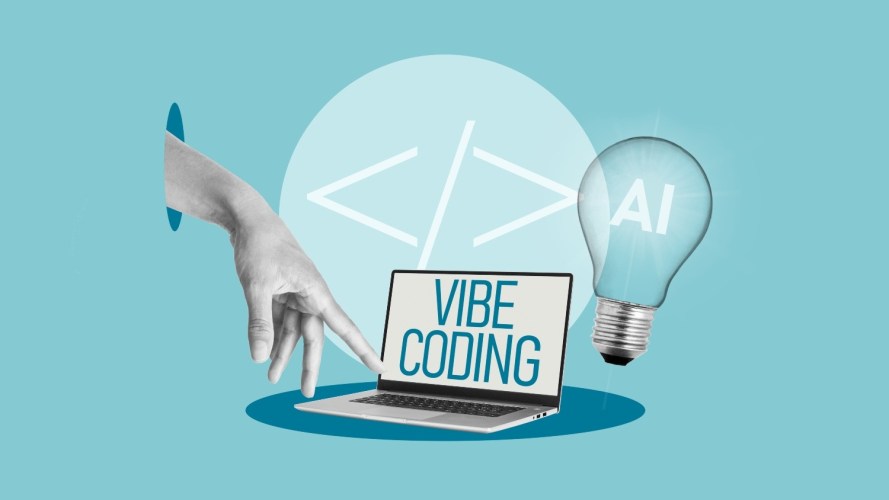
Vibe coding is a modern software creation method where you describe your idea in natural language and artificial intelligence turns that description into real code.
Instead of manually building databases, writing frontend logic, or configuring authentication systems, you explain what you want. The AI handles much of the technical work.
For example, you might type:
Build a customer dashboard for my business. I need user login, a table for customer details, invoice tracking, and a calendar for appointments.
The platform then creates the first working version.
This makes software development more accessible for entrepreneurs, marketers, operations managers, and founders who do not have traditional programming experience.
Why Businesses Are Using Vibe Coding
Traditional development can be expensive and slow. Hiring agencies or engineering teams often requires significant budgets, long planning cycles, and ongoing maintenance.
Vibe coding helps solve several common business problems.
Faster product launches
Many tools can create usable prototypes in minutes instead of weeks.
Lower development costs
Small teams can test ideas without hiring a full technical team.
Easier experimentation
You can adjust features, layouts, workflows, and designs through conversation instead of rebuilding from scratch.
Better accessibility for non-developers
Business owners can focus on product goals rather than technical implementation.
How Vibe Coding Works
Most modern AI app builders follow a simple process.
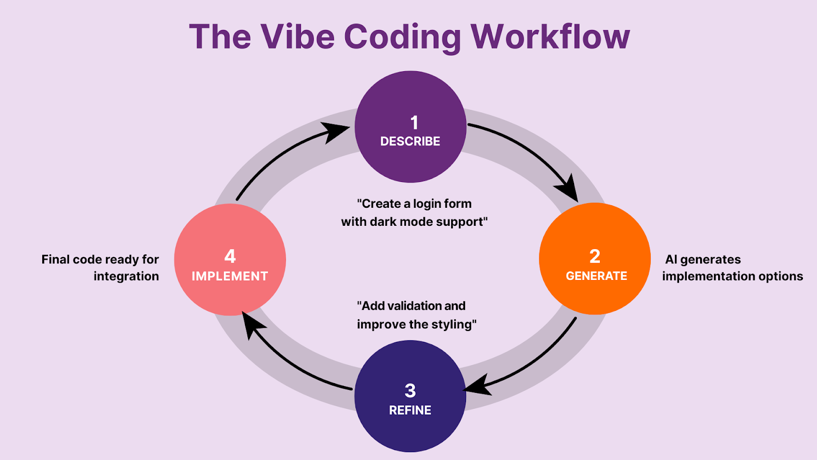
1: Describe the product
You explain what you want in plain English.
2: AI generates the structure
The platform creates pages, database logic, user flows, and application behavior.
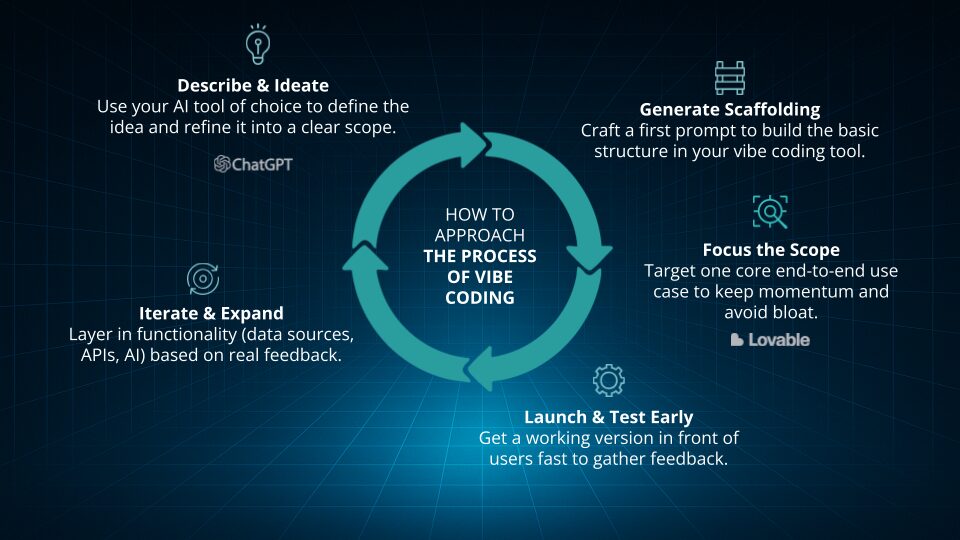
3: Refine through prompts
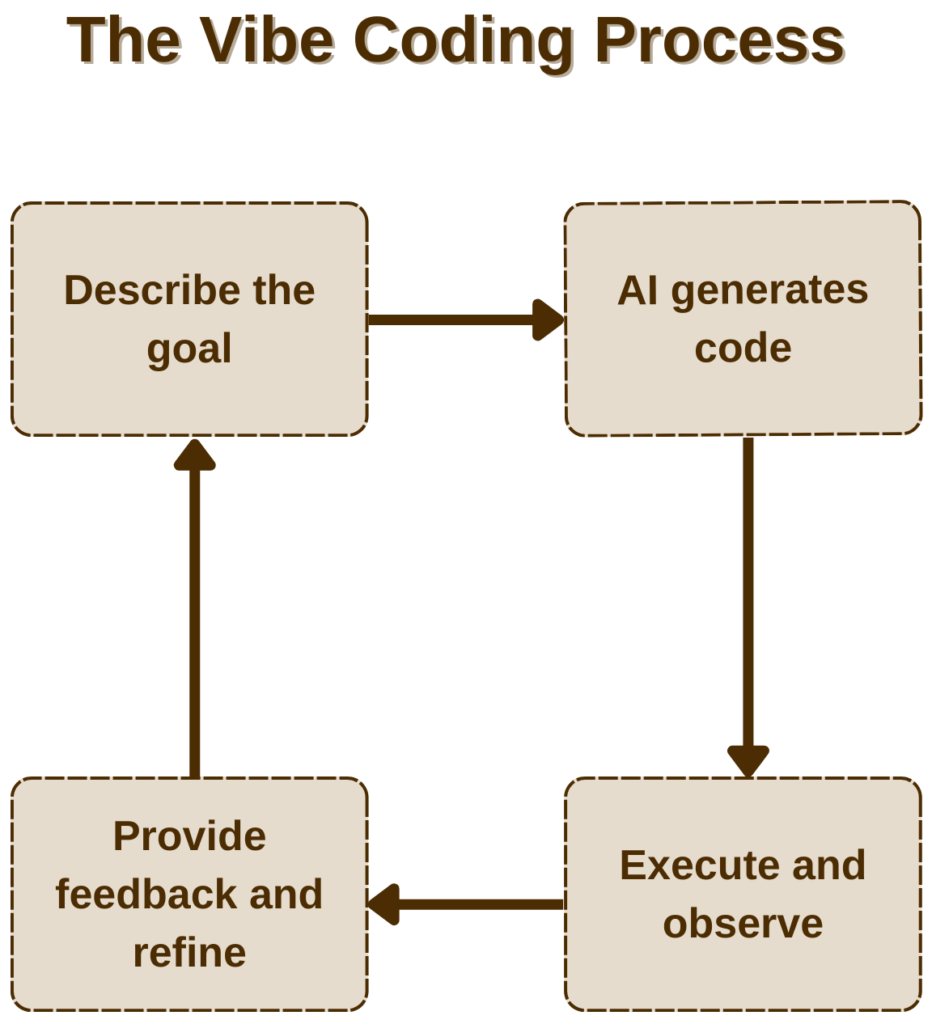
You continue improving the app by asking for changes.
For example:
- Add a dark mode
- Change button colors
- Create an admin dashboard
- Add customer search filters
The app updates as you continue the conversation.
Prompt Examples That Actually Work
One of the most important parts of vibe coding is learning how to describe what you want clearly.
Internal business tool
Build a dashboard for my landscaping business. I need client records, job scheduling, invoice tracking, and a payment status button.
SaaS landing page
Create a landing page for a coffee subscription service. Use warm neutral colors. Add pricing plans, testimonials, and an email signup form.
Calculator app
Build a mortgage calculator with loan amount, interest rate, and monthly payment output.
Clear prompts usually create better results.
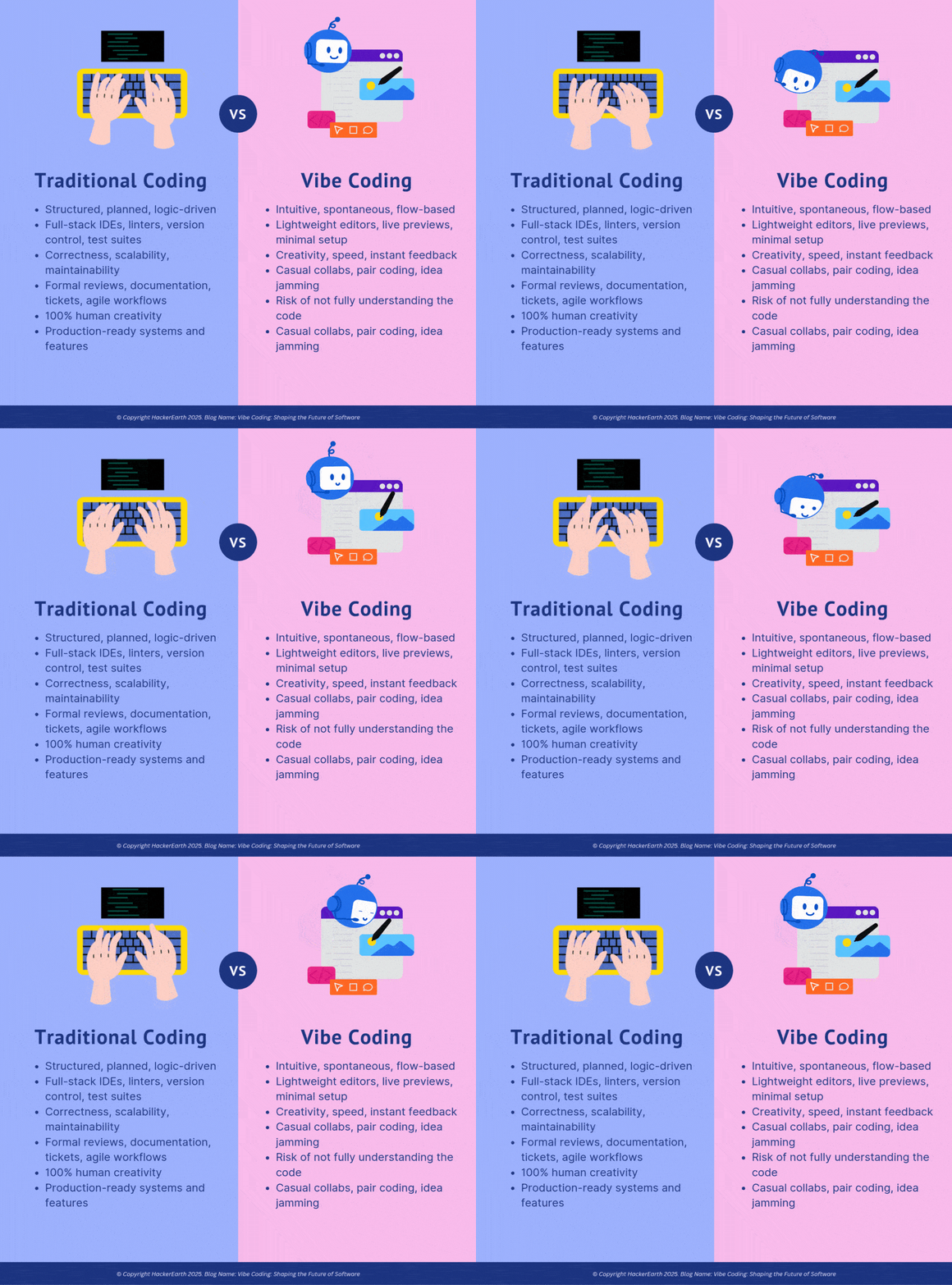
Vibe Coding vs Traditional No-Code Platforms
Older no-code tools often rely on drag-and-drop builders and manual setup.
Traditional no-code
You usually need to manually connect databases, configure workflows, and design pages.
Vibe coding
You describe the outcome and AI handles much of the technical setup automatically.
This is one of the main reasons vibe coding has become popular with modern startups.
Best Vibe Coding Tools in 2026
1. Base44 — Best for Internal Business Tools
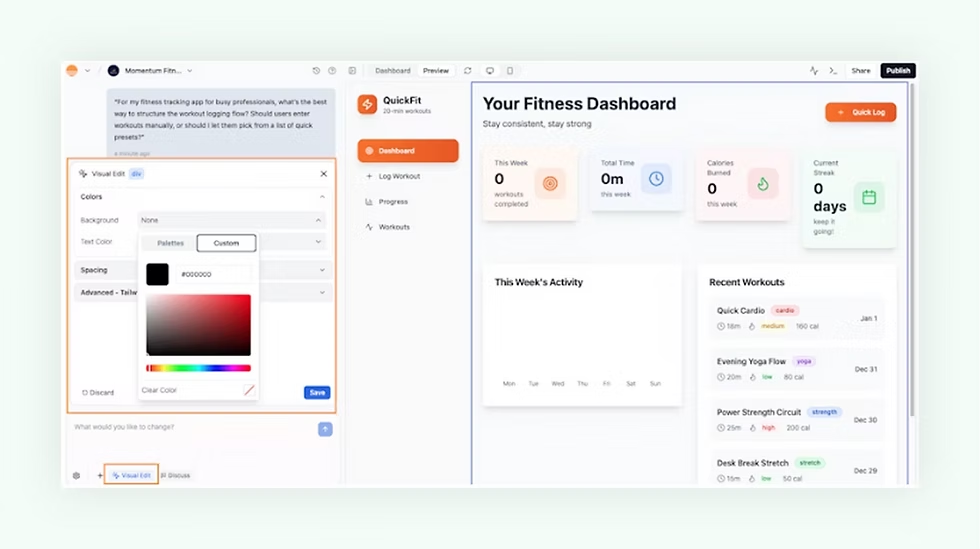
Base44 has become one of the strongest platforms for practical business applications.
It works especially well for internal dashboards, client portals, operations tools, inventory tracking, and CRM systems.
Why it stands out
- Backend and hosting are built in
- User authentication is handled automatically
- Good support for structured data
- Fast iteration through prompts
Best for
Small business owners, operational teams, and founders who need reliable business workflows.
2. Wix AI — Best for Websites and Site Building
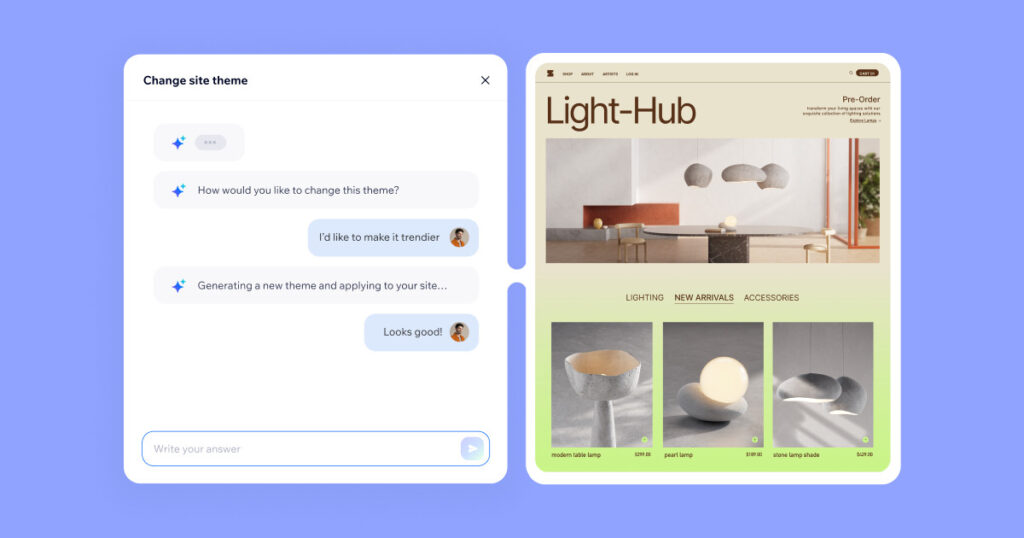
Wix AI is ideal for users who want websites rather than complex internal applications.
Its AI site creation tools can generate layouts, design structures, and website content based on prompts.
Why it stands out
- Easy for beginners
- Large template library
- Reliable hosting
- Strong business website ecosystem
Best for
Freelancers, local businesses, agencies, and small companies that need a polished online presence.
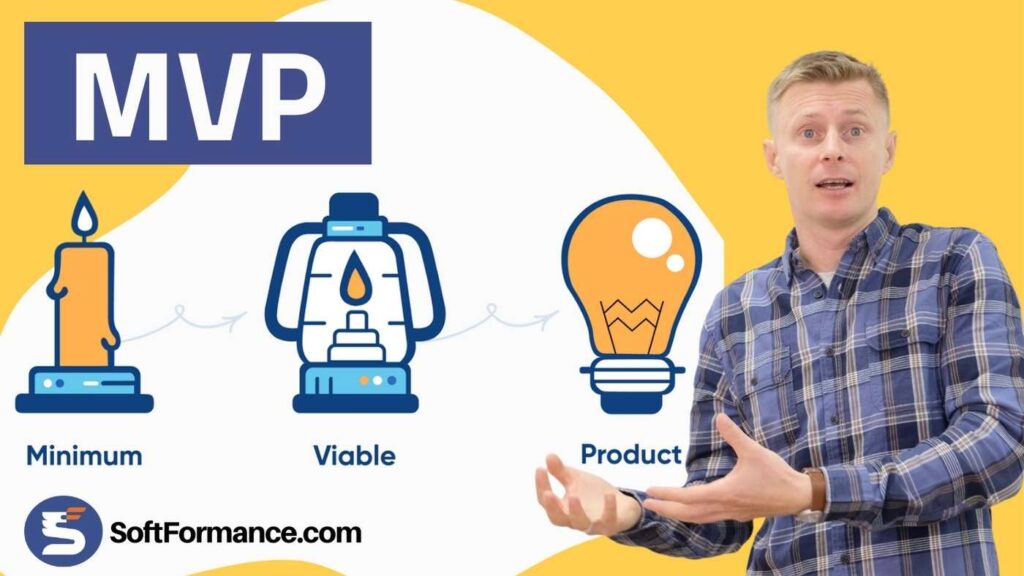
3. Emergent — Best for MVP Launches
Emergent focuses on quickly turning startup ideas into early-stage working products.
It helps founders validate product concepts without long development cycles.
Why it stands out
- Fast MVP creation
- Suitable for early product experiments
- Good for internal business software
Best for
Startup founders testing market demand.
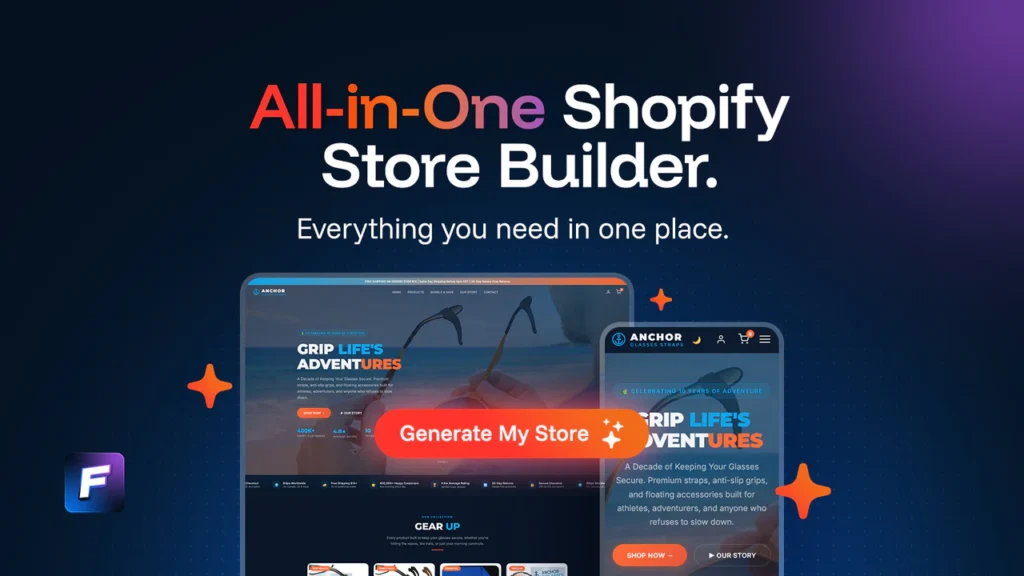
4. Shopify AI App Builder — Best for Ecommerce
If your goal is ecommerce, Shopify AI can help speed up store creation and product-driven workflows.
Why it stands out
- AI support for store setup
- Template-based ecommerce design
- Good ecosystem for payments and products
Best for
Online stores, product brands, and digital commerce businesses.
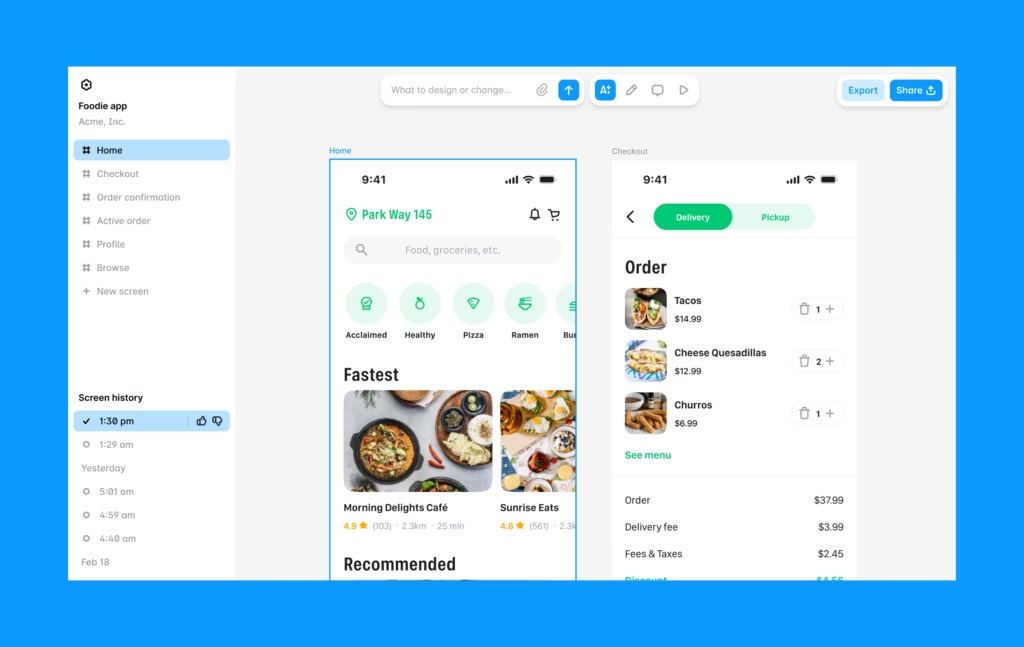
5. Lovable — Best for Beautiful Frontend Design
Lovable is known for attractive modern interfaces.
It can quickly create polished landing pages, app screens, and prototype dashboards.
Why it stands out
- Strong UI quality
- Fast mockups
- Clean visual output
Best for
Founders building investor demos, prototypes, or consumer-facing products.
6. Replit Agent — Best for Developers
Replit Agent combines AI assistance with full access to underlying code.
You can prompt AI while still editing the project manually.
Why it stands out
- Direct code access
- Useful for React, Node.js, and full-stack projects
- More flexibility for technical teams
Best for
Developers, technical founders, and product teams.
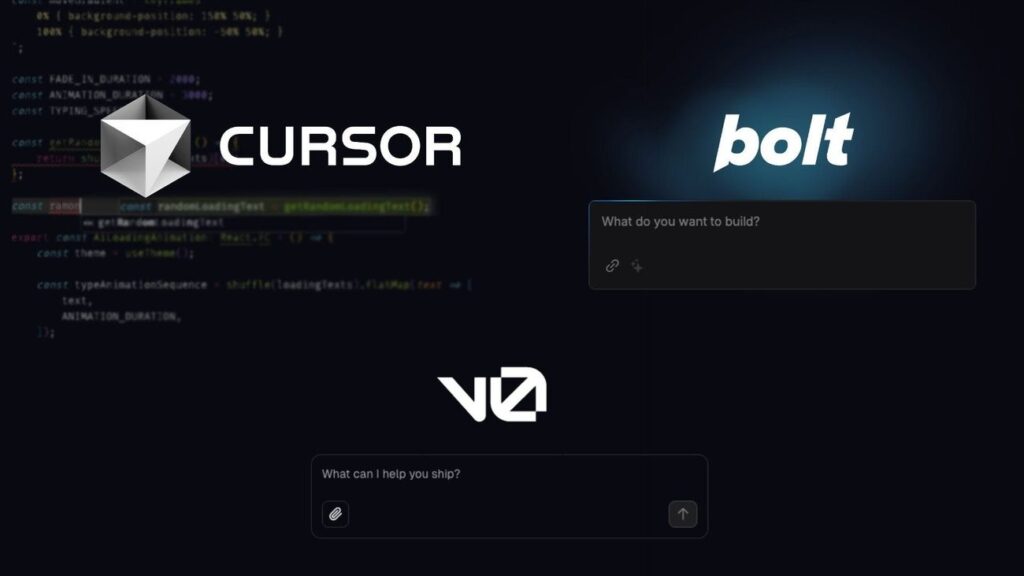
7. Bolt.new — Best for Fast Browser Prototyping
Bolt.new focuses on speed.
It allows users to generate and run web applications directly in the browser.
Why it stands out
- No installation required
- Fast testing environment
- Good for quick idea validation
Best for
Rapid prototyping and early experiments.
What to Expect When You Start
A realistic workflow usually looks like this.
First 15 minutes
You create your first prompt and generate the initial version.
First hour
You refine layouts, user flows, and business logic.
First few days
You test functionality, improve usability, connect data, and prepare deployment.
For many users, a usable prototype can be built in a single weekend.
Growth costs
If your app scales, you may pay for hosting, storage, and higher AI usage.
Even then, the overall cost is often much lower than agency development.
Possible Risks to Know
AI app building is powerful, but it is not perfect.
AI mistakes
Sometimes generated logic can be incomplete or inaccurate.
Security review
Apps handling sensitive user data should always be reviewed carefully.
Vendor dependency
Before investing heavily, confirm that code export or ownership options are available.
How to Choose the best Vibeing Code Tool
Choose the right platform depend on your goal.
If you need internal business tools
Choose Base44
If you want a polished website
Choose Wix AI
If you need an MVP quickly
Choose Emergent
If you care about visual design
Choose Lovable
If you want full code control
Choose Replit
Final Thoughts
Vibe coding is changing how modern software gets built.
Instead of waiting months and spending large budgets, founders and business owners can now turn ideas into working products much faster.
The biggest advantage is not simply speed. It is the ability to experiment, learn, and improve quickly.
For many businesses in 2026, that speed can become a major competitive advantage.
FAQs
What is vibe coding?
Vibe coding is a software creation process where you describe your idea in natural language and AI generates working code.
Can beginners use vibe coding tools?
Yes. Many platforms are designed for non-technical users and require little or no programming experience.
What vibe coding tool is best for startup?
Base44, Emergent, and Lovable are strong options depending on whether you need internal workflows, fast MVPs, or visual prototypes.
Is vibe coding cheaper than hiring developers?
For early-stage products and prototypes, it is usually significantly cheaper.
Can I export the code?
Some platforms allow exporting or owning project code. Always check platform policies before building long-term products.