
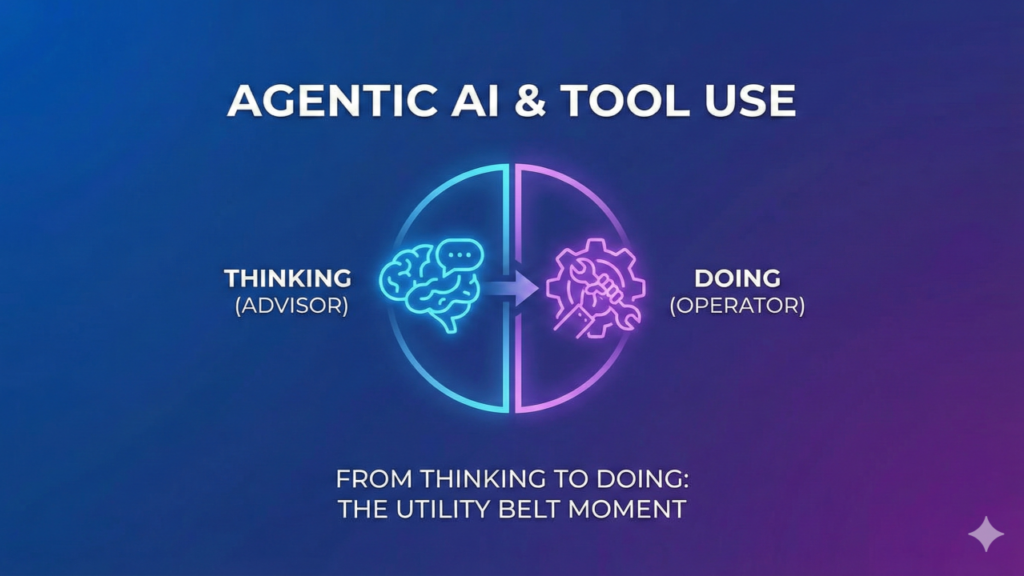
Artificial Intelligence is evolving rapidly, and a new concept is gaining attention across technology industries: Agentic AI. Traditional AI systems usually wait for instructions and then provide outputs based on those instructions. Agentic AI introduces a different approach by focusing on systems that can plan, make decisions, and execute tasks with greater independence.
Businesses, software teams, and technology providers are increasingly exploring how this technology can improve efficiency and automate complex workflows. From software development to customer service and business operations, Agentic Artificial Intelligence is beginning to influence multiple industries.
Understanding how Agentic AI works can help organizations prepare for future technological changes.
What Is Agentic AI?
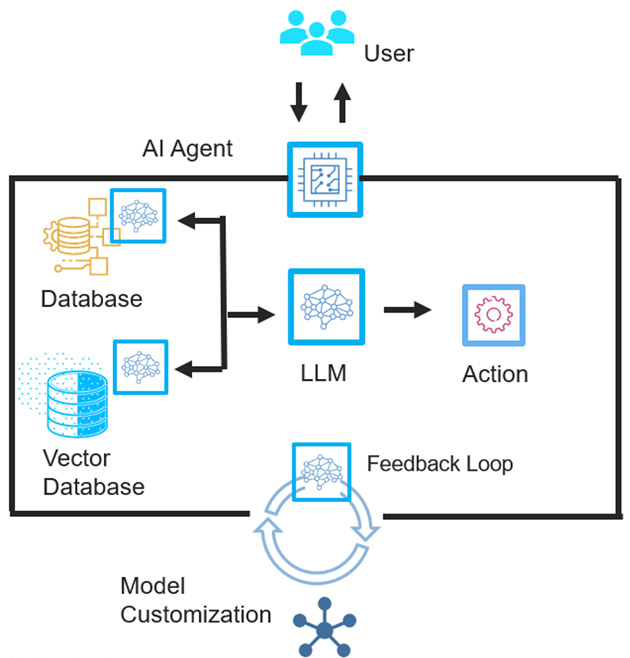
Agentic AI refers to AI systems designed to pursue goals and complete tasks with minimal human intervention.
- Analyze objectives
- Break tasks into smaller actions
- Make decisions
- Use available tools
- Adapt based on changing information
Traditional AI often functions as a response tool.
Agentic AI behaves more like an active assistant capable of performing multiple actions to achieve specific outcomes.
For example:
Instead of asking:
“Write an email.”
A user could request:
“Develop a promotional plan to help increase sales for my online business.”
An agentic system could potentially:
- Analyze business goals
- Research audience preferences
- Generate campaign ideas
- Create content suggestions
- Organize implementation steps
This creates a more goal-driven approach.
Understanding Agentic AI in Simple Terms
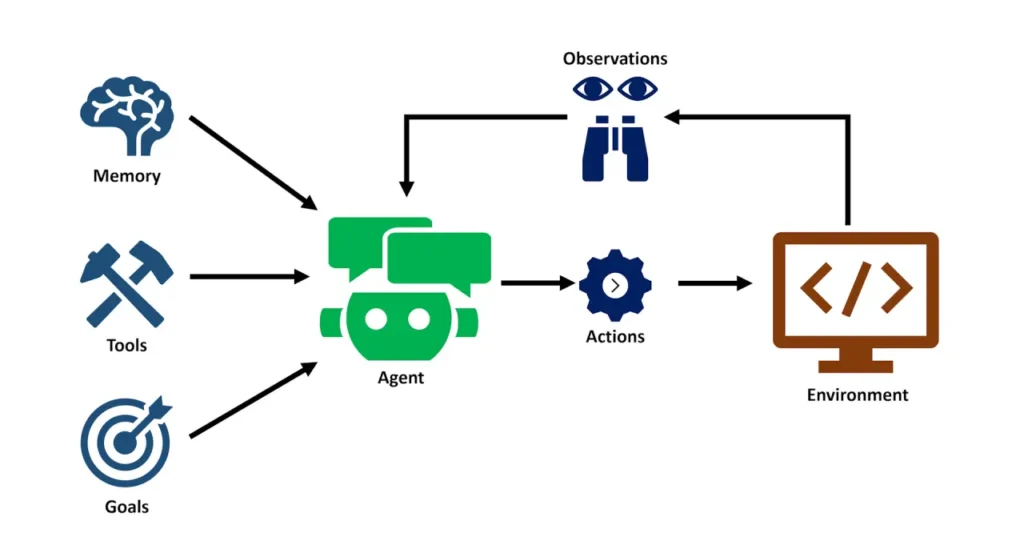
A simple way to understand Agentic AI is to imagine assigning tasks to a team member rather than giving instructions to a machine.
Traditional AI:
Question → Answer
Agentic AI:
Goal → Planning → Action → Result
This process allows systems to handle more complex activities.
How Agentic Artificial Intelligence Works
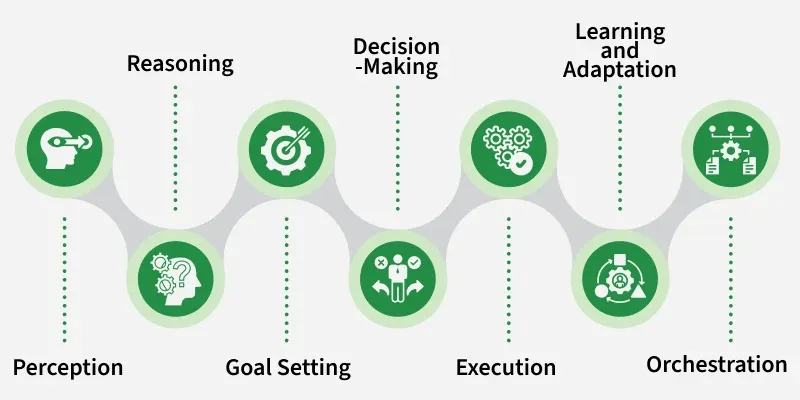
Agentic AI systems generally combine several components.
Goal Understanding
The system first identifies what users want to achieve.

Planning
Tasks are divided into smaller manageable steps.
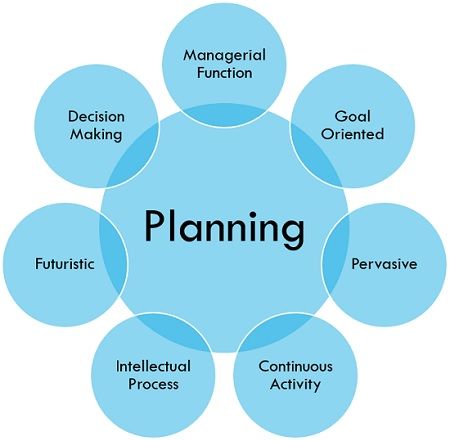
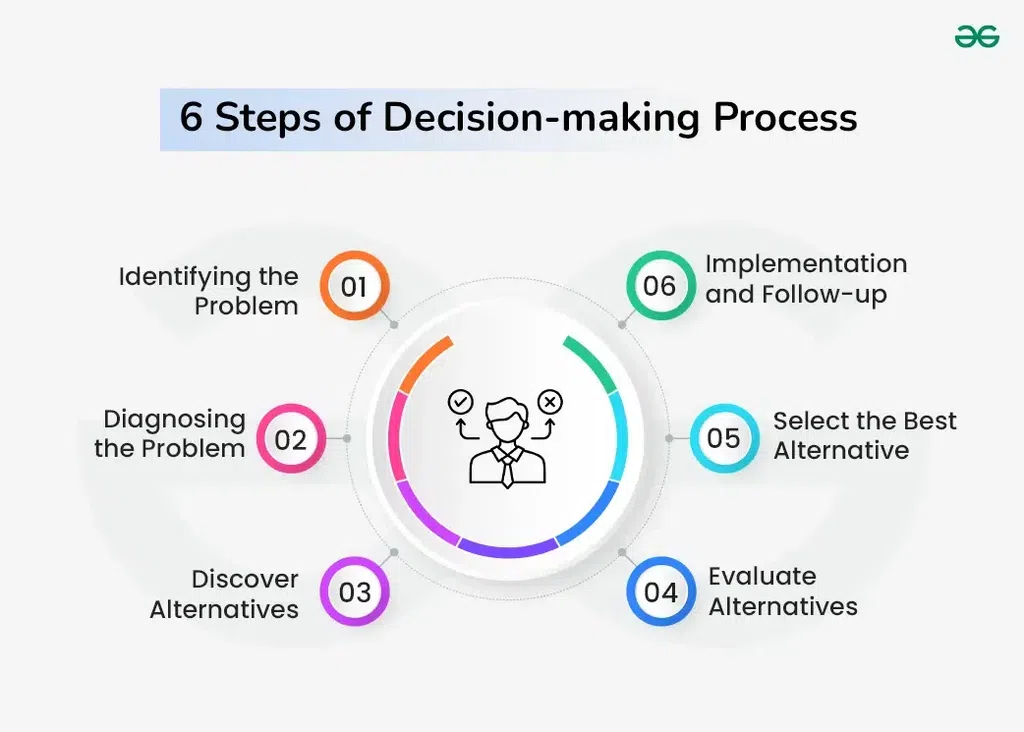
Decision Making
The system reviews possible choices and determines the most suitable action before moving forward.
Tool Usage
Systems may interact with software, databases, APIs, or external resources.
Learning and Adaptation
Performance can improve through continuous feedback.
These components create more flexible AI behavior.
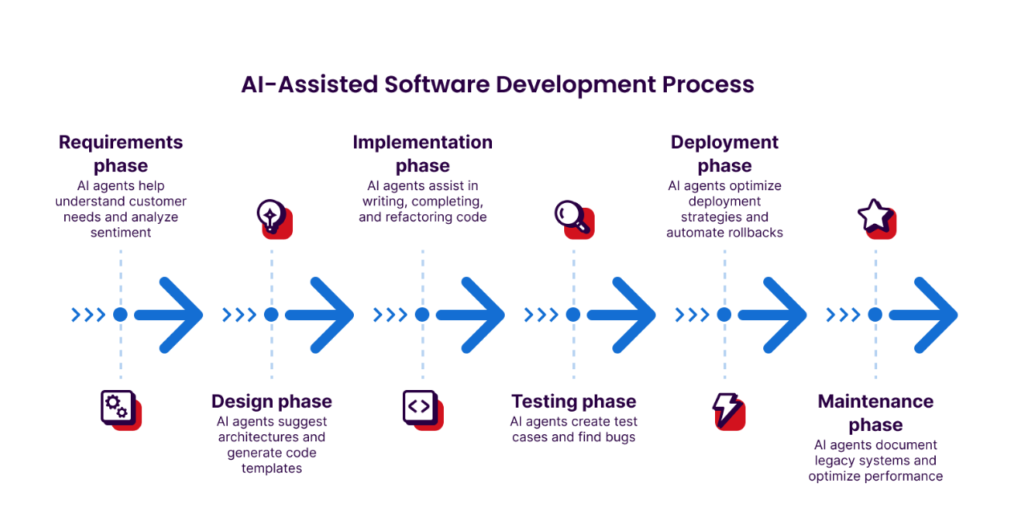
Agentic AI Expansion Across SDLC
Software development is one area where Agentic AI is receiving significant attention.
SDLC stands for Software Development Life Cycle.
Traditional development often involves many repetitive activities.
Examples include:
- Requirement analysis
- Code generation
- Testing
- Documentation
- Bug tracking
- Deployment monitoring
Agentic AI expansion across SDLC could improve productivity by automating various stages.
Potential benefits include:
Faster Development Cycles
AI systems can help reduce repetitive work.
Better Error Detection
Automated analysis may identify coding issues earlier.
Improved Documentation
Systems can organize information more efficiently.
Resource Optimization
Development teams can focus on strategic work rather than repetitive tasks.
Agentic AI Development Services and Consulting
As demand increases, businesses are exploring specialized Agentic AI development services.
Organizations often seek consulting support for:
- AI strategy planning
- Workflow automation
- AI model integration
- Software development support
- Business process optimization
Consulting services help companies understand how AI systems fit into existing operations.
Why Businesses Are Investing in Agentic AI
Companies continue investing in AI because of potential operational advantages.
Common reasons include:
Increased Productivity
Automation reduces repetitive manual work.
Better Decision Support
AI can analyze large datasets quickly.
Improved Customer Experience
AI systems can deliver faster responses.
Cost Reduction
Automating processes can lower operational expenses.
These factors contribute to growing industry interest.
Agentic AI Expansion and Future IT Budgets
Technology spending patterns are changing as businesses invest more heavily in automation and AI systems.
Many organizations are beginning to allocate larger budgets toward:
- AI infrastructure
- Intelligent automation
- Development platforms
- Data systems
- AI research projects
Some industry experts expect Agentic AI to influence future IT investment decisions significantly.
Businesses increasingly view AI not only as a support tool but also as a long-term operational strategy.
Challenges of Agentic AI
Although Agentic AI offers opportunities, challenges still exist.
Privacy Concerns
AI systems often require large amounts of information.
Security Risks
Autonomous actions may create vulnerabilities.
Decision Accuracy
Incorrect assumptions can affect results.
Human Oversight Requirements
Human supervision remains important in sensitive situations.
Responsible implementation remains essential.
The Future of Agentic AI
Agentic AI continues developing rapidly.
Future applications may include:
- Smarter business automation
- Personalized education systems
- Advanced healthcare support
- Intelligent software development
- Enhanced customer service platforms
As technology improves, AI systems may handle increasingly complex responsibilities.
Final Thoughts
Understanding Agentic AI is becoming increasingly important as organizations continue adopting advanced technologies.
Unlike traditional AI systems that primarily generate responses, Agentic Artificial Intelligence focuses on planning, acting, and achieving goals.
Although challenges remain, the potential impact on software development, business operations, and productivity makes Agentic AI an important technology area to watch.
FAQs
1. What is Agentic AI?
Agentic AI refers to AI systems that can independently plan and execute tasks to achieve goals.
2. What makes Agentic AI different from conventional AI?
Conventional AI mainly generates responses based on user input, while Agentic AI is designed to plan tasks, take actions, and work toward achieving specific objectives.
3. What industries use Agentic AI?
Software development, healthcare, customer support, automation, and business operations are common examples.
4. What is Agentic AI expansion across SDLC?
It refers to using Agentic AI throughout software development processes such as coding, testing, and deployment.
5. Why are businesses investing in Agentic AI?
Businesses see benefits including productivity improvements, automation, and operational efficiency