
Artificial intelligence models continue to evolve quickly. Developers, researchers, content creators, and businesses now have more options than ever when choosing models for real-world work.
Among the names attracting attention is Gemma 4.
Many users want to understand what it does, how it performs, and whether it is useful beyond simple experimentation.
This guide explains Gemma 4 features, performance, practical use cases, and beginner advice in clear language.
If you are exploring AI tools for projects, learning, or experimentation, this overview will help you understand where Gemma 4 fits.
What Is Gemma 4?
Gemma 4 is part of the Google Gemma family of open AI models.
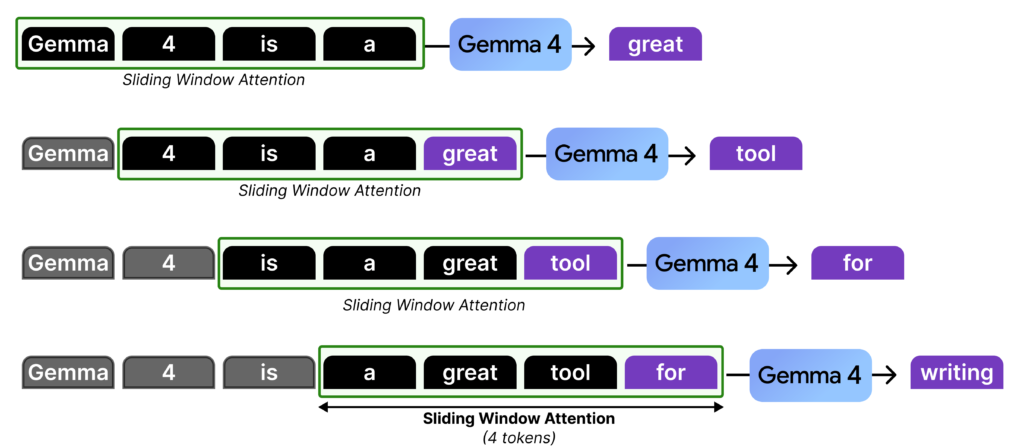
The idea behind Gemma is practical accessibility.
Instead of building only large closed systems, Gemma gives developers smaller and more flexible models that can be adapted for real-world applications.
That makes it useful for:
- research projects
- lightweight app development
- experimentation
- learning environments
- custom AI workflows
For many users, Gemma is attractive because it can be explored without the same infrastructure requirements as very large enterprise models.
Why Gemma 4 Matters
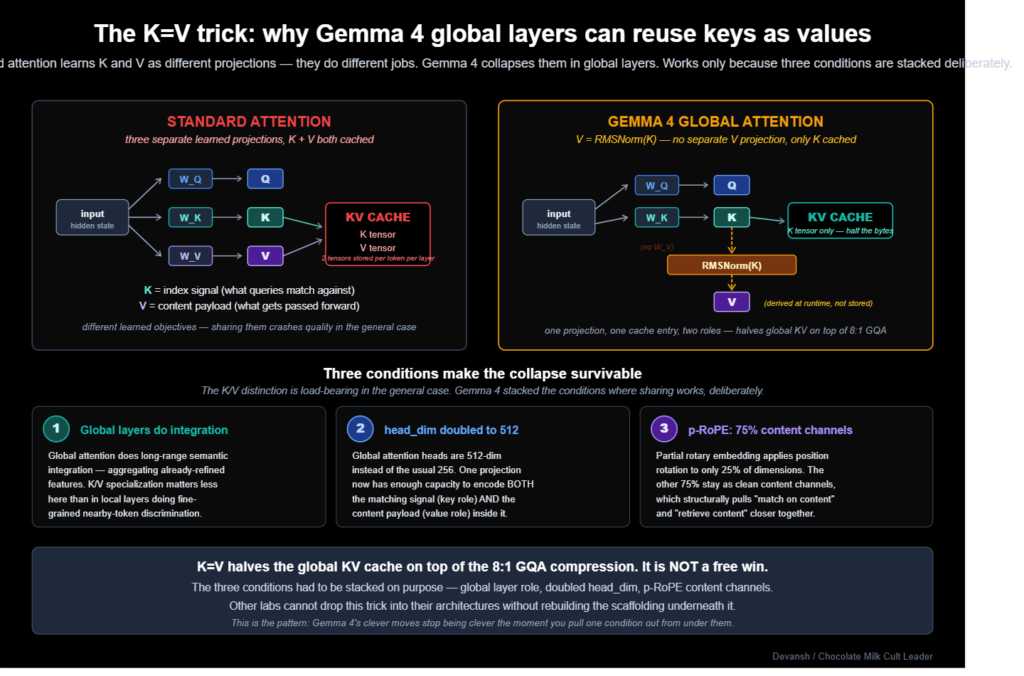
A lot of people look only at model size, but practical usefulness matters more.
Gemma 4 is interesting because it focuses on a balance between capability, flexibility, and accessibility.
This matters for smaller teams.
A startup, independent developer, or technical learner often needs a model that can be tested, adapted, and integrated without excessive complexity.
That is where Gemma 4 becomes relevant.
Core Features of Gemma 4
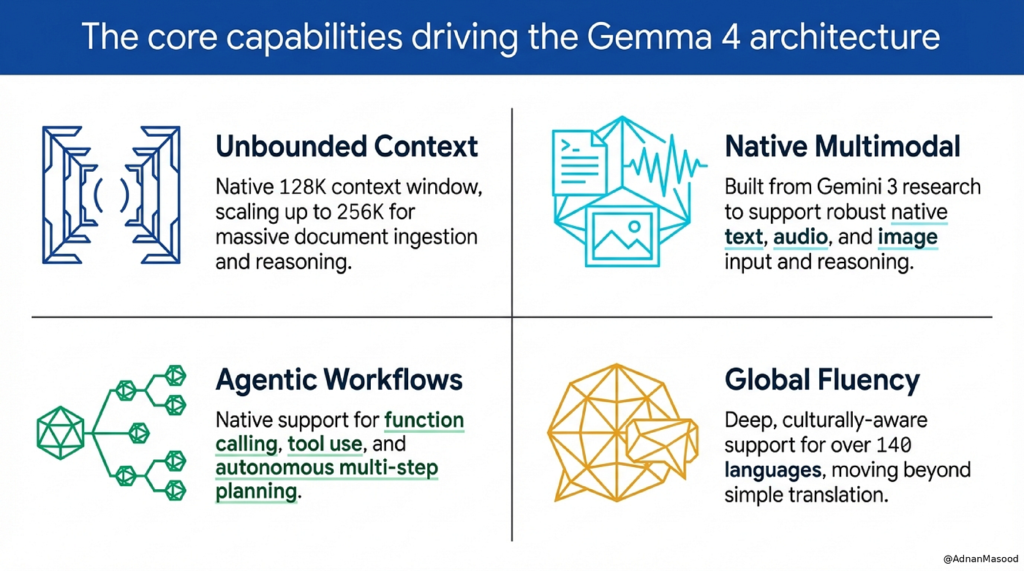
Efficient architecture
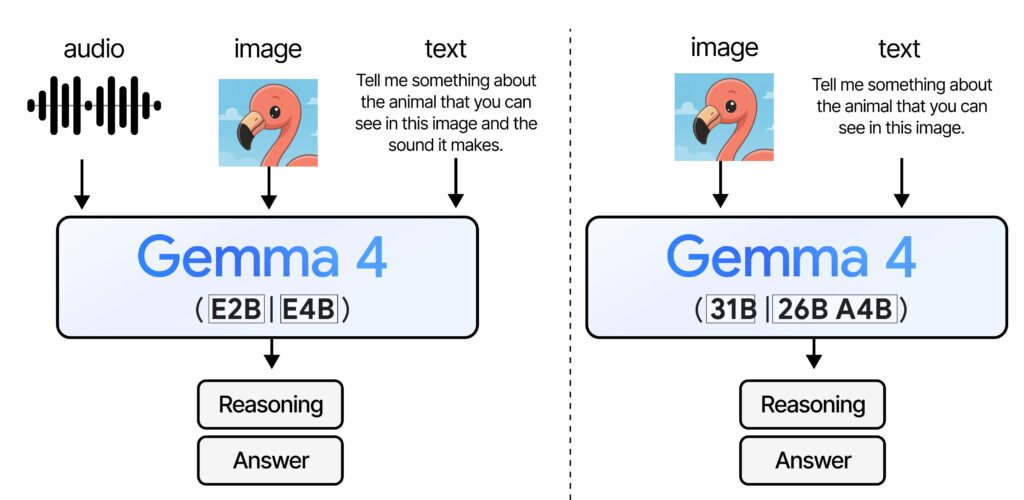
Gemma 4 is designed for practical performance while keeping deployment flexibility in mind.
Strong developer accessibility
Developers can experiment with workflows, integrations, and fine-tuning more easily.
Research-friendly structure
It works well for learning, testing, and educational environments.
Adaptable use cases
Gemma 4 can support writing assistance, structured prompts, automation tasks, lightweight reasoning workflows, and custom applications.
Gemma 4 Performance Overview
Performance should always be evaluated in real tasks rather than only benchmark discussions.
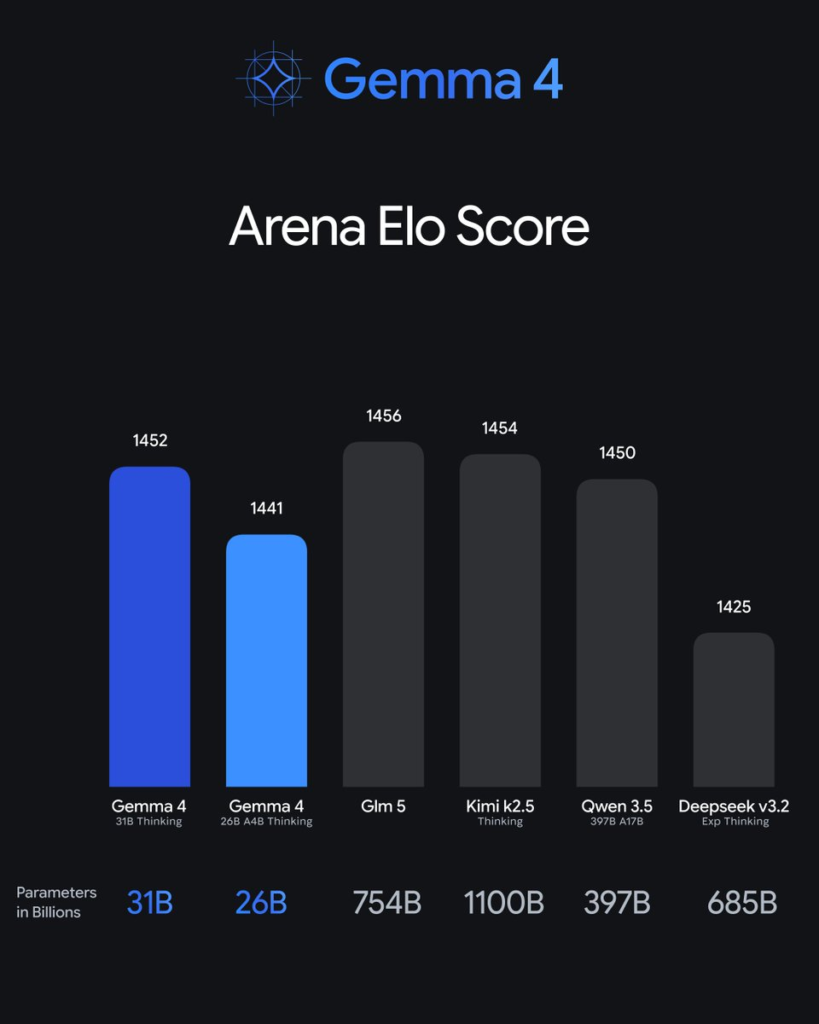
Response quality
Gemma 4 produces structured and coherent responses when prompts are clear.
Practical speed
For many lightweight workflows, responsiveness can feel practical enough for experimentation and testing.
Reasoning ability
For structured prompts, Gemma 4 can provide useful logical output and contextual understanding.
Flexibility in deployment
One advantage is the ability to adapt it across different development environments.
Where Gemma 4 Can Be Useful
Different users may benefit in different ways.
Developers
Developers may use it for:

- prompt testing
- prototype building
- workflow automation
- application experimentation
Students and researchers
Gemma can be useful for:
- model learning
- educational exploration
- structured testing
- AI experimentation
Product teams
Small product teams can use it to test AI features before larger infrastructure commitments.
Gemma 4 for Beginners
If you are new to AI models, the best way to understand Gemma 4 is through practical testing.
Start with simple tasks.
Try asking it to:
- summarize short articles
- explain concepts
- rewrite paragraphs
- generate structured lists
- classify text
This helps you understand both strengths and limitations.
The goal is not just seeing whether it responds.
The goal is understanding how it behaves under real usage.
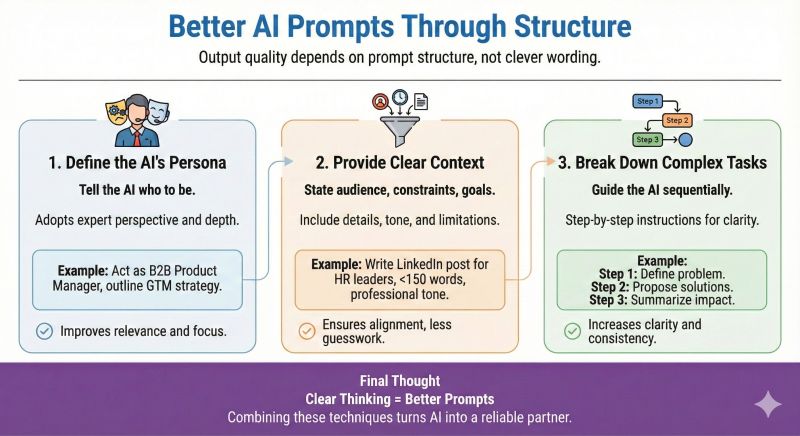
Prompt Quality Matters
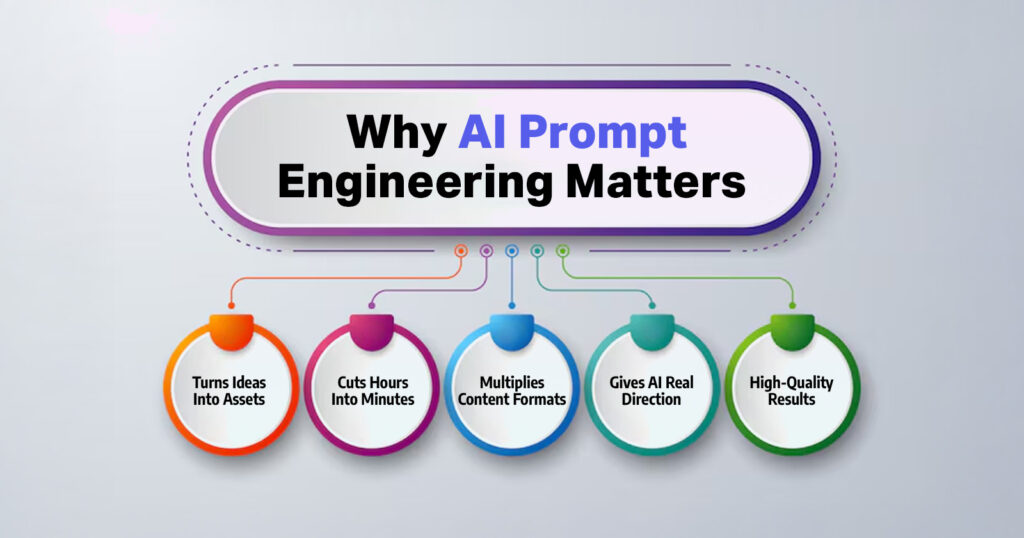
Good output usually depends on good prompts.
A weak prompt may produce vague results.
A clearer prompt often produces stronger responses.
For example, instead of saying:
Explain SEO
Try:
Explain technical SEO for beginners in simple language and include three practical examples.
The second version gives better direction.
This matters with nearly every modern AI model.
Gemma Monster Hunter 4 Guide for Beginners and Advanced Players
The phrase Gemma Monster Hunter 4 sometimes appears in search conversations because users may combine model names, game references, or community discussions.
It is important to separate search intent clearly.
For beginners
If users are searching this phrase casually, they may be exploring general references rather than a direct official connection.
For advanced users
Advanced users usually benefit from checking context carefully and understanding whether a search term refers to a model, a game discussion, or community-generated naming overlap.
This is useful because accurate search intent often improves both research quality and content relevance.
Gemma 4 Compared With Other AI Models
Every AI model has different priorities.
Some models focus heavily on enterprise-scale reasoning.
Others prioritize accessibility, open experimentation, or lightweight integration.
Gemma 4 often becomes interesting when users want:
- practical testing
- lighter experimentation
- flexible implementation
- easier learning access
The best model depends on the actual task.
Things to Keep in Mind
Even promising AI models have practical limits.
Prompt quality affects output
The model depends heavily on instruction clarity.
Not every task needs a large model
Sometimes lighter workflows are more efficient.
Real-world testing matters
Benchmarks help, but actual project usage tells more.
How to Evaluate Gemma 4 Properly
If you want a realistic understanding, test it with practical tasks.
Try content summarization
Can it simplify information clearly?
Test structured reasoning
Can it follow multi-step instructions?
Compare response consistency
Does it remain stable across similar prompts?
Evaluate practical usefulness
Would it help your real workflow?
That is where meaningful evaluation happens.
Who Should Try Gemma 4?
Gemma 4 can be a useful option for:
Independent developers
People building prototypes and experiments.
Technical learners
Students exploring modern AI models.

Small teams
Teams testing lightweight product ideas.
Researchers
Users who want accessible experimentation.
Final Thoughts
Gemma 4 is interesting because it focuses on practical accessibility rather than only scale.
It gives developers, researchers, and learners a flexible model that can be explored in real workflows.
Its value is not simply in model size.
Its real value comes from how easily it can be tested, adapted, and used in practical environments.
For users who want hands-on learning and useful experimentation, Gemma 4 is worth exploring.
FAQs
What is Gemma 4 used for?
Gemma 4 can be used for prompt testing, structured generation, research, lightweight automation, and learning projects.
Is Gemma 4 suitable for beginners?
Yes. It can be useful for beginners who want to understand AI model behavior through practical testing.
Does Gemma 4 require advanced infrastructure?
It depends on deployment goals, but it is generally positioned as a more accessible model for experimentation.
How should I test Gemma 4 performance?
Use real tasks such as summarization, structured prompts, reasoning tests, and practical workflow experiments.
Is Gemma Monster Hunter 4 an official Gemma product?
No clear official connection exists. It is usually better to check search intent carefully when similar phrases appear.