
Search engines have changed dramatically over the years. Earlier, ranking on search engines was often focused heavily on exact keywords. Website owners repeated the same terms multiple times hoping to appear higher in search results. As search behavior evolved, search engines needed smarter systems that could understand what users actually meant rather than simply matching words.
The Google Hummingbird Update introduced a major shift in how search worked. Instead of only looking at individual keywords, Google began focusing more on context, meaning, and user intent.
This update changed the way content creators, website owners, and SEO professionals approached optimization.
What Is the Google Hummingbird Update?
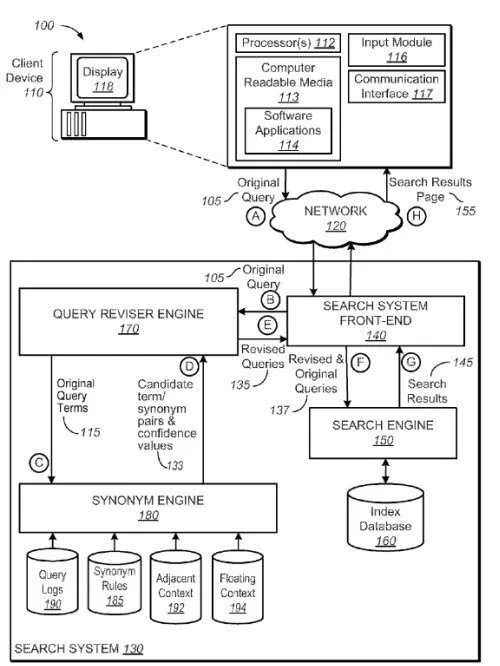
The Google Hummingbird Update was a major search algorithm improvement designed to help Google understand complete search queries more effectively.
Unlike smaller adjustments that targeted specific ranking factors, Hummingbird affected how Google interpreted searches overall.
The purpose of the update was simple:
- Understand search intent better
- Improve result accuracy
- Analyze complete phrases instead of isolated words
- Deliver more relevant content to users
This change moved SEO away from keyword stuffing and toward valuable content.
Why Google Introduced Hummingbird
Search behavior was changing rapidly.
Users were no longer typing short phrases like:
“best pizza”
Instead, people increasingly searched using natural language such as:
“What is the best pizza restaurant near my location?”
Google required a smarter system that could interpret full search queries and understand the intent behind them.
Hummingbird helped bridge this gap.
It allowed Google to understand relationships between words rather than simply identifying repeated keywords.
How Google Hummingbird Works

Hummingbird analyzes search queries differently compared to older systems.
Rather than examining each word individually, it attempts to understand the entire meaning behind a search.
For example:
A search for:
“How can I improve my website speed for better SEO?”
Google understands important elements:
- Improve website speed
- SEO improvement
- User intent for guidance
Instead of displaying pages that simply repeat “website speed” many times, Google prioritizes useful content that answers the complete question.
Major Changes Introduced by Hummingbird
Several important improvements came with this update.
Better Understanding of User Intent
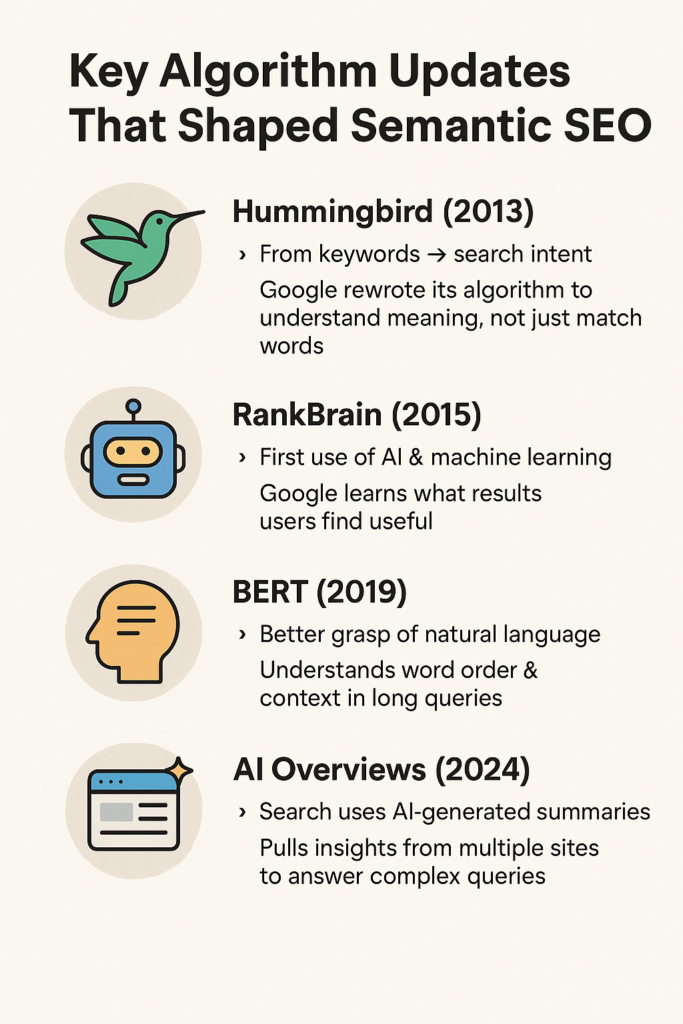
Google started focusing on what users wanted rather than only what they typed.
This meant search results became more relevant.
Improved Conversational Search
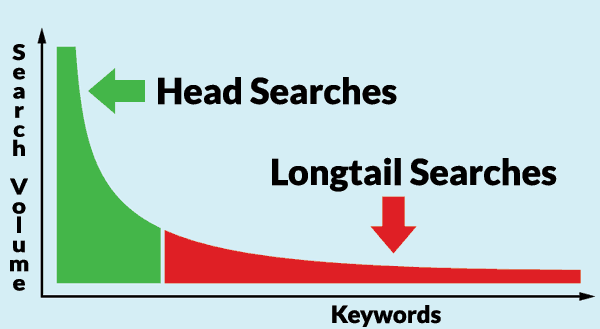
Natural language searches became more effective.
Users could search in a more human way.
Examples include:
- How do I start a blog?
- What is the fastest way to improve SEO?
- Why is my website loading slowly?
Semantic Search Improvements
Google began connecting concepts and meanings between words.
For example:
Searching for:
“Apple founder”
could understand the relationship between the company and its founder rather than focusing only on individual words.
Better Mobile Search Experience
As mobile use increase, conversational searche became common.
Hummingbird supported this transition effectively.
How Hummingbird Changed SEO Strategies

The update transformed SEO practices significantly.
Older methods focused on:
- Exact keyword repetition
- High keyword density
- Over-optimized pages
New strategies shifted toward:
- User-focused content
- Topic relevance
- Natural language writing
- Search intent optimization
Websites providing genuine value gained stronger visibility.
Content Strategies That Work After Hummingbird
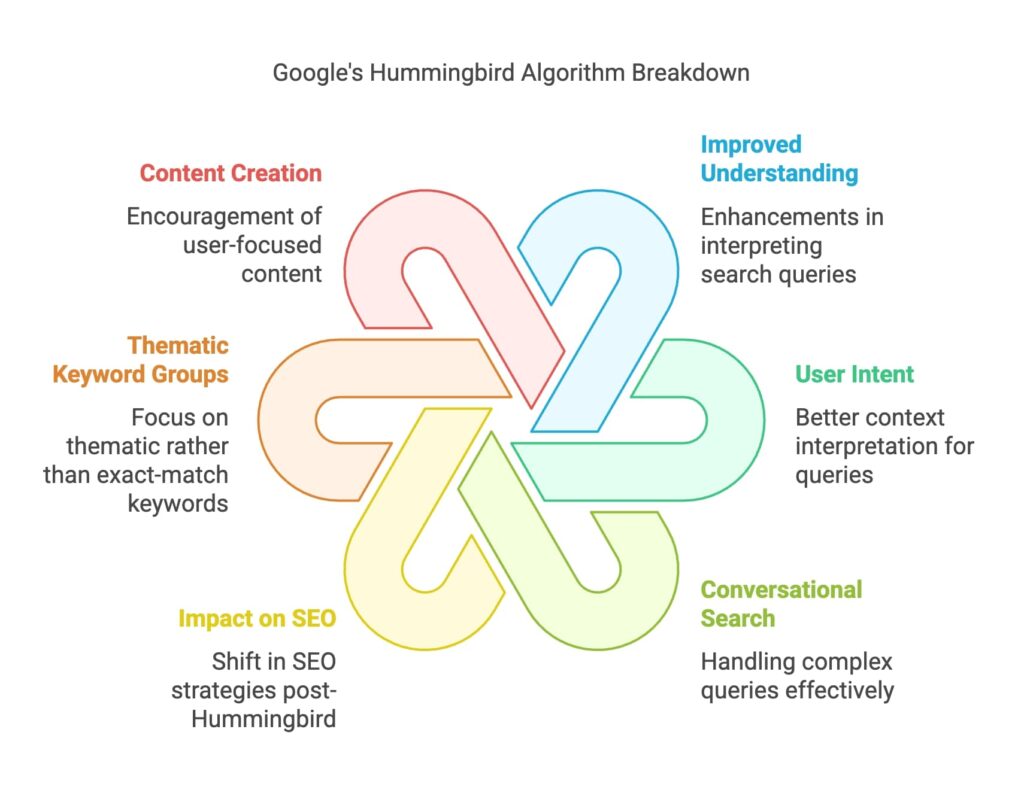
Modern SEO benefits from content designed around users rather than search engines.
Focus on User Questions
Focus on understanding the information or answers users are actively searching for.
Useful examples include:
- How-to guides
- Tutorials
- Problem-solving articles
- Frequently asked questions
Create Topic-Based Content
Instead of targeting a single keyword repeatedly, cover an entire topic.
For example:
Rather than only targeting:
“SEO tips”
Create content around:
- Technical SEO
- On-page SEO
- Content optimization
- Website performance
Write Naturally
Content should sound human and easy to understand.
Avoid forced keyword repetition.
Use Related Terms
Related terms help Google understand content context.
Examples:
For SEO content:
- search ranking
- organic traffic
- content optimization
- search visibility
Common SEO Mistakes After Hummingbird

Many websites still make errors that reduce performance.
Avoid these mistakes:
Keyword Stuffing
Repeating keywords unnaturally hurts readability.
Thin Content
Very short articles often provide limited value.
Ignoring Search Intent
Content should answer real user questions.
Poor User Experience
Slow websites and difficult navigation affect engagement.
Benefits of the Google Hummingbird Update
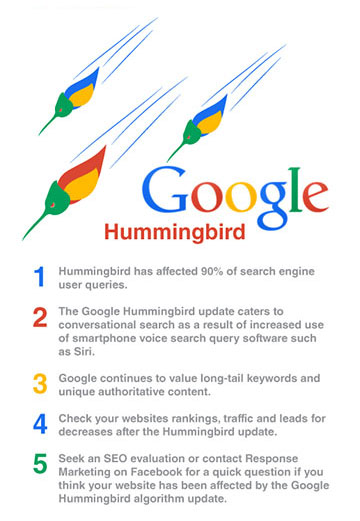
The update provided advantages for users and website owners.
Benefits include:
- More accurate search results
- Better content quality
- Improved user experience
- Increased relevance
- Enhanced conversational search capability
Users found information faster and websites delivering value performed better.
Is Google Hummingbird Still Important Today?
Yes.
Although Google has introduced additional algorithm improvements over time, Hummingbird continues influencing how search understands intent and meaning.
Many newer technologies and ranking systems build on similar principles.
Understanding Hummingbird helps content creators develop stronger SEO strategies for modern search behavior.
Final Thoughts
The Google Hummingbird Update changed SEO by shifting attention away from simple keyword matching and toward understanding user intent.
Modern SEO success depends on creating useful, natural, and informative content that solves problems and answers questions.
Websites that prioritize readers instead of manipulating algorithms usually perform better over time.
Creating high-quality content, understanding search intent, and building complete topic coverage remain important strategies for long-term SEO growth.
FAQs
1. What is the Google Hummingbird Update?
The Google Hummingbird Update is a search algorithm improvement focused on understanding search intent and natural language.
2. How did Hummingbird affect SEO?
It shifted SEO from keyword-focused strategies toward user-focused content and topic relevance.
3. Does Hummingbird still affect rankings?
Yes. Many modern search technologies continue using principles introduced by Hummingbird.
4. What is semantic search?
Semantic search helps Google understand relationships and meanings between words.
5. How can websites optimize for Hummingbird?
Create useful content, answer user questions, write naturally, and focus on search intent.