
Search engine optimization has changed significantly over the years. In earlier SEO practices, many websites achieved high rankings through aggressive link-building methods rather than creating useful content. Website owners often used unnatural backlinks and manipulative techniques to improve search visibility quickly.
To improve search quality, Google introduced the Penguin Update. This algorithm update changed how search engines evaluated backlinks and website authority.
Today, understanding the Google Penguin Update remains important because link quality still plays a major role in SEO performance.
What Is the Google Penguin Update?
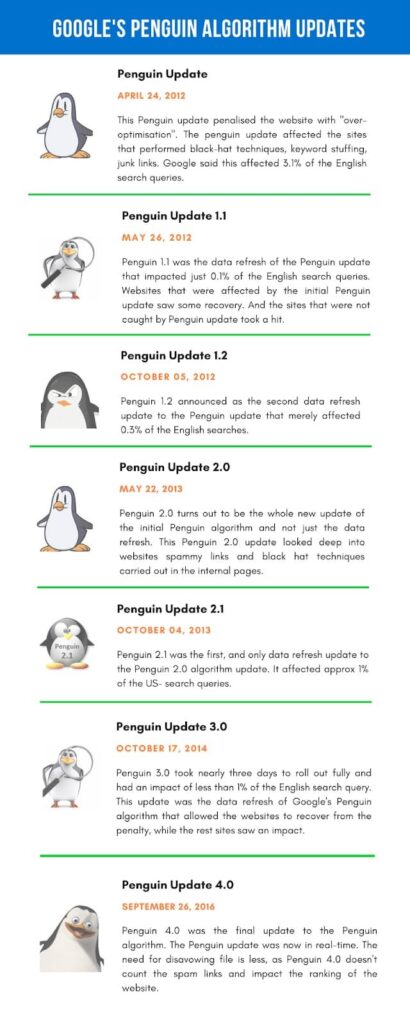
The Google Penguin Update an algorithm design to identifying and reduce the impact of spamy link-build practices.
Instead of rewarding websites with large numbers of backlinks, Penguin focuses more on the quality and relevance of those links.
The update mainly targets:
- Unnatural backlinks
- Link spam
- Keyword-stuffed anchor text
- Paid link schemes
- Manipulative SEO practices
The goal is to ensure websites rank because of value and authority rather than artificial tactics.
Why Google Introduced Penguin

Before Penguin, many websites ranked by creating large numbers of low-quality backlinks.
Common tactics included:
- Buying backlinks
- Joining link networks
- Excessive directory submissions
- Automated link generation
- Repeating exact-match anchor text
These methods often pushed low-value websites into search results.
Google introduced Penguin to create fairer rankings and improve search quality for users.
How Penguin Changed SEO Practices

Penguin shifted SEO from quantity-based link building to quality-focused strategies.
Earlier SEO methods often emphasized:
- More links
- More anchor text optimization
- Faster link creation
After Penguin, websites started focusing more on:
- Relevant backlinks
- Natural link profiles
- High-authority websites
- Content-based link earning
This change encouraged long-term SEO practices.
Signs a Website May Be Affected by Penguin
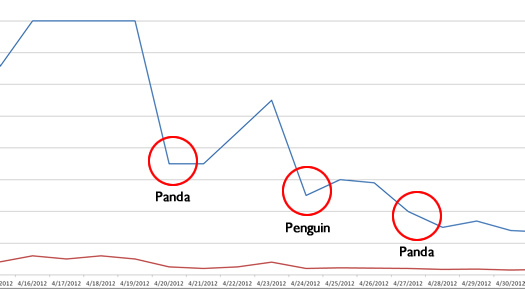
A website impacted by Penguin may experience:
- Sudden ranking drops
- Reduced organic traffic
- Lower keyword positions
- Loss of visibility in search results
- Traffic decline after algorithm updates
These changes often occur when backlink profiles contain large amounts of low-quality links.
Common Link Building Mistakes Penguin Targets
Excessive Exact-Match Anchor Text
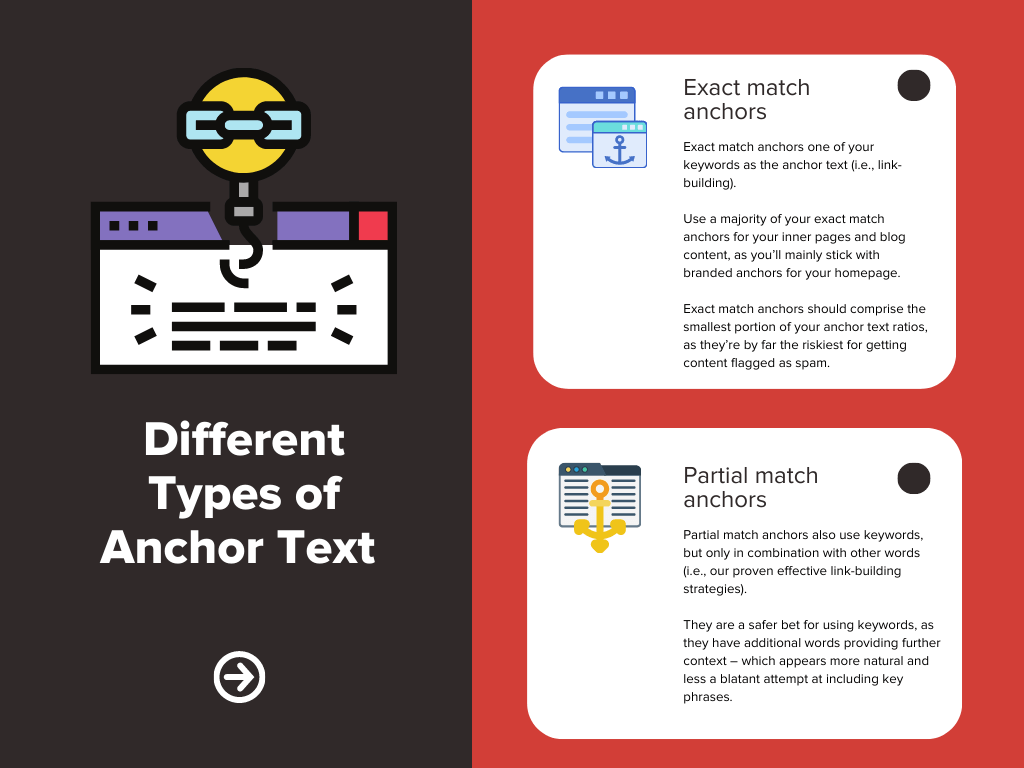
Using identical keywords repeatedly in backlinks may look unnatural.
For example:
Instead of diverse anchor text:
- Best running shoes
- Running gear guide
- Learn more here
Some websites repeatedly used:
- Buy cheap running shoes
Over-optimization can create problems.
Buying Links
Paid links created only to manipulate rankings violate search engine guidelines.
Purchased links can appear unnatural and reduce trust signals.
Spam Directory Links
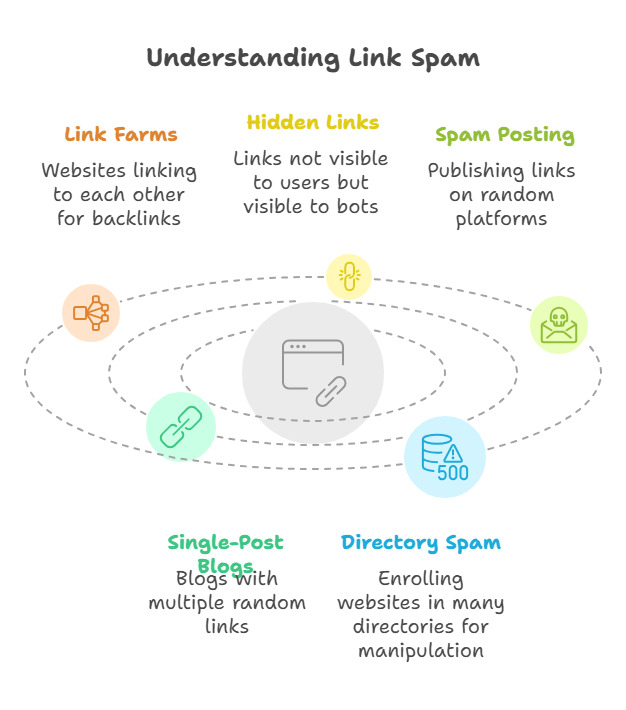
Submitting websites to hundreds of low-quality directories was once a common SEO strategy.
Today, irrelevant directory links provide little value.
Low-Quality Guest Posting
Guest posting can be useful when it provides genuine value.
However, publishing low-quality articles only for backlinks may negatively affect SEO.
How to Recover from Penguin Issues
Audit Your Backlink Profile
Review links pointing to your website.
Look for:
- Irrelevant websites
- Spam backlinks
- Repeated anchor text
- Suspicious link patterns
Identifying weak links helps improve overall link quality.
Remove Harmful Backlinks
If spam links exist:
- Contact website owners
- Request removal when possible
- Identify unnecessary backlinks
Reducing harmful links can strengthen website authority.
Focus on Natural Link Building
Instead of forcing backlinks, create content people naturally want to reference.
Examples include:
- Guides
- Research content
- Tutorials
- Useful resources
Natural backlinks usually create stronger long-term results.
Build Topic Authority
Search engines increasingly value expertise and relevance.
You can strengthen authority by:
- Publishing detailed content
- Covering related topics
- Maintaining consistency
- Solving user problems
Authority helps websites attract quality backlinks naturally.
Penguin and Modern SEO
The Penguin algorithm later became part of Google’s core systems.
This means link quality evaluation now happens continuously instead of waiting for separate updates.
Modern SEO focuses more on:
- Trust signals
- Relevance
- User value
- Quality content
This approach creates safer and more sustainable rankings.
Best Practices After Penguin

Create Helpful Content
Useful content naturally attracts shares and backlinks.
Earn Links Naturally
Instead of chasing large numbers of links, prioritize relevance and authority.
Diversify Anchor Text
Use natural wording rather than repeating exact keywords.
Avoid Short-Term SEO Tricks
Strategies designed only to manipulate rankings often create long-term risks.
Why Penguin Still Matters Today
Although SEO has evolved significantly, Penguin principles remain highly relevant.
Search engines continue rewarding websites that demonstrate:
- Trustworthiness
- Strong content quality
- Natural backlinks
- User value
Understanding Penguin helps website owners avoid risky SEO practices and build stronger websites.
Final Thoughts
The Google Penguin Update changed SEO by shifting attention from backlink quantity to backlink quality.
Modern SEO success no longer depends on creating thousands of links. or beginners, learning Penguin principles creates a strong foundation for safer and more effective SEO growth.
FAQs
1. What is the Google Penguin Update?
Google Penguin is an algorithm designed to reduce the influence of spammy and manipulative backlink practices.
2. What type of links does Penguin target?
It mainly focuses on unnatural, paid, low-quality, and over-optimized backlinks.
3. Can bad backlinks hurt rankings?
Yes, poor-quality links can affect website trust and search visibility.
4. How can I improve my backlink profile?
Focus on relevant websites, create useful content, and avoid spam link-building methods.
5. Is the Penguin Update still important today?
Yes, its link-quality principles continue influencing modern search algorithms.