
Selecting the right WordPress theme is one of the most important decisions for website owners who want better search visibility. While content, backlinks, and technical optimization all contribute to rankings, the theme you choose can influence website speed, mobile usability, user experience, and search engine accessibility.
Many website owners focus only on appearance when choosing a theme. However, a theme that looks attractive but performs poorly can create challenges for both visitors and search engines. A well-optimized theme provides a solid foundation that supports long-term SEO growth.
This guide explains what makes a WordPress theme SEO-friendly and highlights the characteristics you should consider when choosing one.
Why WordPress Themes Matter for SEO
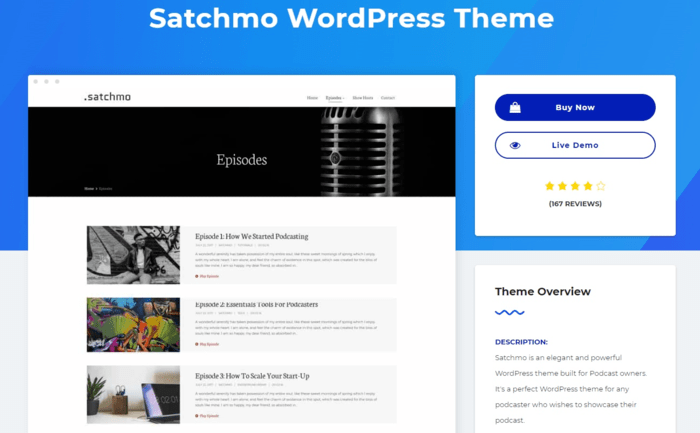
A WordPress theme controls much more than design.
It influences:
- page loading speed
- mobile responsiveness
- site structure
- user experience
- code efficiency
Search engines prefer websites that load quickly and provide a smooth browsing experience. A properly optimized theme can help achieve those goals.
What Makes a Theme SEO Friendly?
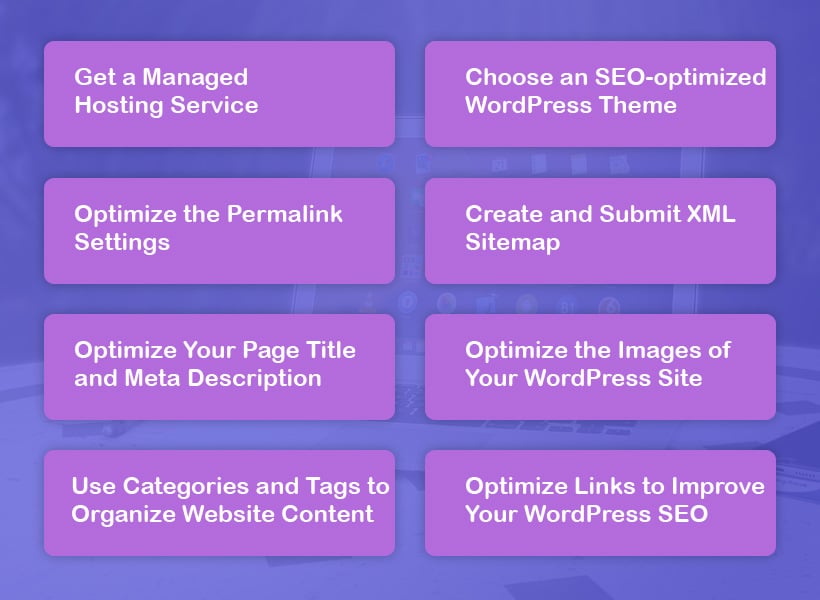
Some WordPress themes focus heavily on design features while giving less attention to website performance.
Several characteristics separate SEO-friendly themes from poorly optimized alternatives.
Clean and Efficient Code

Themes built with organized coding practices generally perform better.
Organized code contributes to smoother page loading and helps search engines analyze content more effectively.
Excessive scripts and unnecessary features can slow down performance.
Fast Loading Performance

Website speed remains an important factor for both users and search engines.
An SEO-friendly theme should avoid unnecessary resource usage and deliver pages quickly.
Fast websites often experience:
- lower bounce rates
- improved engagement
- better user satisfaction
Mobile Responsiveness

More people are using mobile devices than ever before to access websites and online services.
A responsive theme automatically adapts to different screen sizes and resolutions.
Mobile-friendly websites provide a better experience for visitors and support modern SEO requirements.
Schema Compatibility
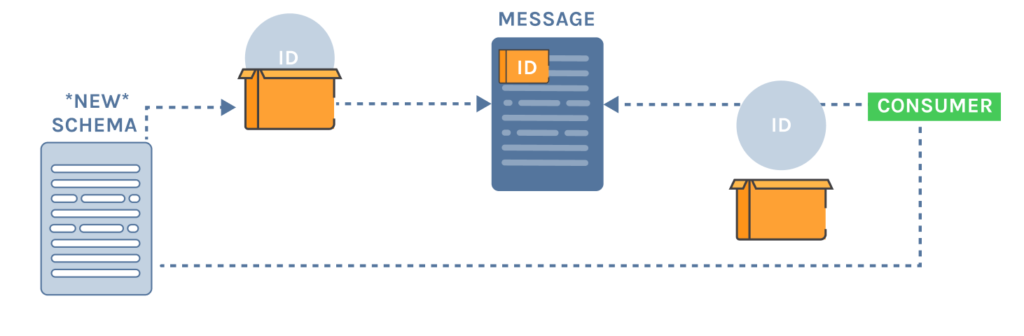
Structured data helps search engines understand website content more effectively.
Many modern themes support schema markup or integrate easily with SEO tools that provide structured data functionality.
Accessibility Features
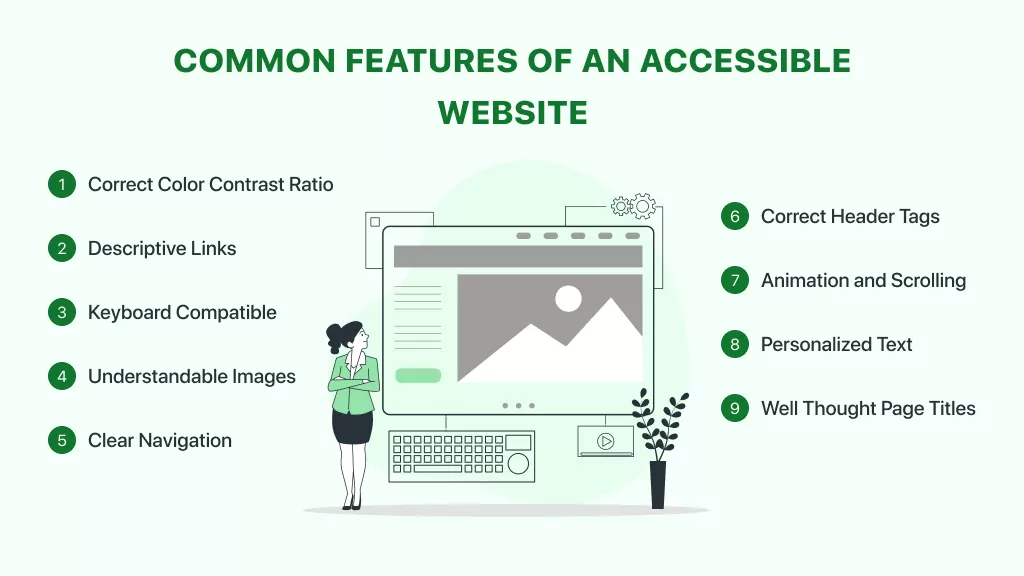
Accessible websites are easier for all users to navigate.
Features such as clear navigation, readable typography, and logical layouts can improve usability while supporting SEO goals.
Key Features to Look For
When evaluating themes, consider the following factors.
Lightweight Design
Lightweight themes generally load faster because they use fewer resources.
A simple design often performs better than a feature-heavy alternative packed with unnecessary functionality.
Flexible Customization

Website owners should be able to customize layouts without sacrificing performance.
A good balance between flexibility and efficiency is important.
Regular Updates
Theme developers frequently release updates that improve compatibility, performance, and security.
Choosing a theme with active development helps maintain long-term stability.
Browser Compatibility

Visitors use different browsers and devices.
A quality theme should function consistently across modern browsers.
Popular SEO-Friendly Theme Categories
Instead of focusing on a single theme, it is often more helpful to understand which categories perform well.
Blogging Themes
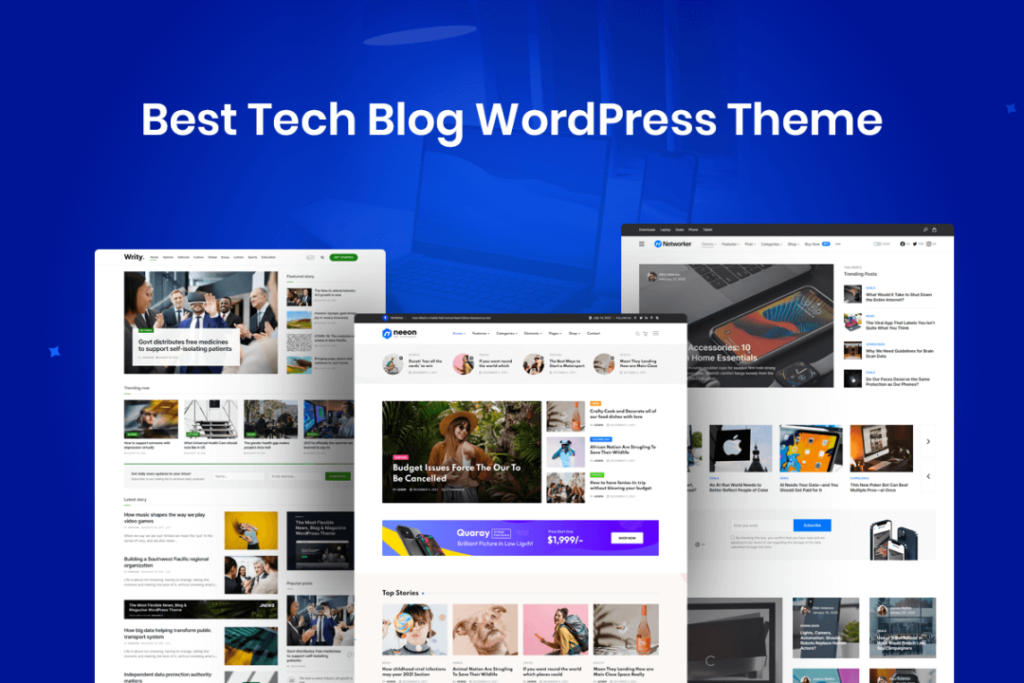
Blogging themes prioritize readability, speed, and content presentation.
These characteristics support content-focused SEO strategies.
Business Themes

Professional business websites often achieve better results when usability and speed work together effectively.
E-commerce Themes
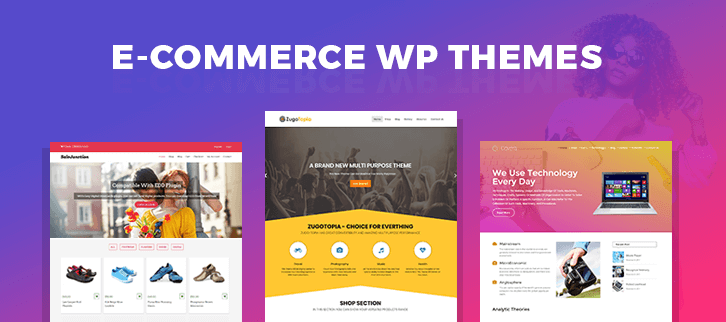
Online stores require themes that support product pages while maintaining fast loading speeds.
Magazine Themes

Content-heavy websites often need themes capable of displaying large amounts of information efficiently.
How Theme Speed Influences Rankings
Although content quality remains essential, speed plays an important supporting role.
Slow websites may experience:
- reduced engagement
- shorter visit durations
- higher abandonment rates
A fast theme contributes to a better overall user experience.
Visitor are more like to remain on a website when pages loading quickly.
Common Theme Mistakes to Avoid
Many website owners unknowingly choose themes that create SEO challenges.
Prioritizing Design Over Performance
A visually impressive theme may include unnecessary scripts and animations.
Performance should remain a priority.
Using Outdated Themes
Older themes may contain compatibility issues and lack modern optimization practices.
Installing Excessive Features
Themes packed with features are not always better.
Additional functionality can increase page size and slow performance.
Ignoring Mobile Experience
A website that perform poorly on smartphone may struggling to meet user expectation.
Theme Selection Tips for Beginners
If you are new to WordPress, focus on simplicity.
Consider themes that offer:
- clean layouts
- responsive design
- fast performance
- regular updates
- strong support
Starting with a lightweight foundation often makes future optimization easier.
SEO Benefits Beyond Rankings
Choosing a quality theme can provide advantages beyond search visibility.
Benefits may include:
- improved user engagement
- easier navigation
- stronger website credibility
- better conversion opportunities
These factors contribute to overall website success.
Future Trends in WordPress Themes
WordPress themes continue evolving alongside search engine requirements.
Future developments may focus on:
- enhanced Core Web Vitals performance
- AI-assisted customization
- improved accessibility standards
- faster mobile experiences
Website owners who prioritize performance-focused themes will be better positioned to adapt to future SEO changes.
Final Thoughts
The best WordPress theme for SEO is not necessarily the most popular or visually complex option. Instead, the ideal theme provides fast performance, responsive design, clean coding practices, and a positive user experience.
A strong themes create a foundational that support content marketing, Technical optimization, and long term searching visibility. By focusing on performance and usability, website owners can build a website that serves both visitors and search engines effectively.
FAQs
What is the important SEO feature in a WordPress theme?
Fast loading performance is one of the most valuable features because it improves user experience and website efficiency.
Can a WordPress theme affect search rankings?
Yes. Themes can influence speed, mobile usability, and overall website performance, which may impact SEO.
Are lightweight themes better for SEO?
In many cases, lightweight themes load faster and provide a better browsing experience.
Should beginners use complex WordPress themes?
Simple and performance-focused themes are often easier to manage and optimize.
Does changing a WordPress theme affect SEO?
Changing themes can influence website performance and structure, so testing and monitoring are recommended after any major change.