
Introduction

Modern AI technology is reshaping how users look for, explore, and access digital information across the internet.
AI-powered search technologies can understand natural-language queries, organize large amounts of information, and provide more personalized results. This development has also influenced searches involving adult-oriented content.
The term AI porn search engine can refer to AI-powered tools or search systems designed to help users discover adult-oriented websites or content. However, using such platforms comes with important concerns involving privacy, cybersecurity, consent, age restrictions, misleading content, and artificial intelligence-generated media.
Anyone researching this topic should understand the technology and its risks rather than relying on unknown websites or unverified AI platforms.
What Is an AI Porn Search Engine?

An AI porn search engine is generally described as a search or recommendation system that uses artificial intelligence to organize or locate adult-oriented online content.
Unlike a basic keyword-based search system, an AI-powered platform may analyze the meaning of a query and attempt to provide more relevant results.
The technology behind these systems can include machine learning, natural language processing, recommendation algorithms, image recognition, and automated content classification.
However, not every website using the term “AI search” is trustworthy. Some platforms may use the term primarily as a marketing technique, while others may collect user information or redirect visitors to unsafe websites.
How AI-Powered Adult Search Works

AI-powered search platforms rely on different technologies to sort, analyze, and present digital information more effectively.
Natural Language Understanding
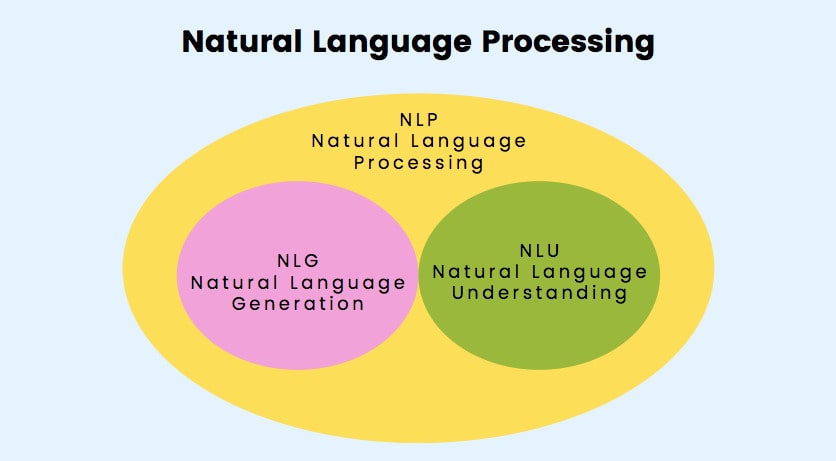
Modern AI systems can interpret conversational search queries instead of depending entirely on exact keyword matches. This allows search technology to identify the general meaning of a user’s request.
Content Classification

Machine-learning systems can classify online material into different categories. Automated classification may help platforms identify adult-oriented material and separate it from general content.
However, automated systems are not perfect and can sometimes incorrectly classify content.
Recommendation Technology

Some platforms use recommendation algorithms to predict what users may be interested in based on their previous interactions.
This technology is common across many online services, but it can create privacy concerns when sensitive browsing behavior is collected and stored.
Privacy Concerns

Privacy is one of the biggest concerns surrounding adult-oriented search.
Search queries can potentially reveal sensitive interests. If a website records search history, IP addresses, device information, cookies, or account details, users may face privacy risks.
When visiting a new online service, check its privacy practices to learn how your data may be handled. Avoid sharing sensitive or identifying details with unverified adult websites or unfamiliar AI applications.
AI-Generated Adult Content and Deepfakes

Artificial intelligence has made it possible to generate highly realistic images and other media. This has created serious concerns around consent and identity.
One major problem is the creation of manipulated images that falsely represent real people. Such material can cause significant personal and reputational harm.
AI should never be used to create or distribute intimate or sexualized content depicting a real person without their permission.
Users should also be careful when encountering suspicious AI-generated media because realistic-looking content is not necessarily authentic.
Risks of Unverified Search Websites
Searching for adult content through unknown websites can expose users to several cybersecurity threats.

Malware and Dangerous Downloads

Some websites may use misleading download buttons or advertisements to encourage visitors to install suspicious software.
Stay away from installing unfamiliar apps, extensions, or downloads offered by websites that you do not trust.
Phishing

Some websites may use deceptive forms to trick visitors into revealing passwords, financial details, or other sensitive personal information.
Do not share private or sensitive details with a website unless you are certain the request is legitimate and necessary.
Excessive Advertising

Some websites contain aggressive advertisements, redirects, or pop-ups. Such practices can create security risks while browsing and may redirect visitors to websites they did not intend to visit.
Data Collection

When privacy terms are vague, users may not know how their browsing data is collected, stored, or used.
Age Restrictions and Responsible Use

Adult-oriented services should only be accessed by adults who are legally permitted to view such material in their jurisdiction.
Parents and guardians can also use appropriate device-level controls, content filters, and family safety settings to help protect minors from unsuitable online material.
AI technology should be used responsibly and should never be used to bypass age protections or expose children to adult content.
How to Stay Safer Online

If someone is researching adult-oriented search technology, several basic cybersecurity practices can reduce risks.
First, use reputable and established services instead of clicking random links.
Next, make sure the website provides clear details about how it collects, uses, and protects user data.
Third, avoid sharing unnecessary personal information.
Fourth, regularly update your browser, operating system, and security tools to reduce potential vulnerabilities.
Fifth, avoid opening questionable downloads or adding browser extensions from sources you cannot verify.
Finally, be cautious about websites that promise unrealistic AI capabilities or request sensitive information before providing access.
AI Search and the Future of Online Discovery

As machine-learning technology continues to advance, AI-powered search is expected to become smarter, faster, and more capable.
Search systems may become better at understanding context, filtering information, and providing personalized results.
At the same time, governments, technology companies, and online platforms are facing difficult questions about privacy, age verification, copyright, consent, and AI-generated media.
The future of AI search should therefore involve both technological progress and stronger protections for users.
Ethical Issues Around AI Adult Content

Responsible and ethical practices become especially important when AI technology is applied to private or sensitive material.
Consent should remain a central principle. A person’s identity, photograph, or likeness should not be manipulated into sexualized material without permission.
Platforms should also have systems for reporting abusive content and removing material that violates their policies or applicable laws.
Users should understand that sharing or creating harmful material can have serious consequences.
Conclusion
An AI porn search engine generally refers to AI-assisted technology for discovering or organizing adult-oriented online content. While artificial intelligence can make search more sophisticated, these platforms also introduce significant privacy, cybersecurity, consent, and safety concerns.
Users should avoid untrusted websites, protect personal information, verify the legitimacy of online services, and respect age restrictions and consent.
The development of AI-powered search will continue, but responsible use is essential. Technology should make online discovery more useful without compromising privacy, security, or the rights of other people.
FAQs
What is an AI porn search engine?
It generally refers to an AI-powered search or recommendation system designed to help users locate adult-oriented online content.
Are AI adult search websites safe?
Not necessarily. Unknown websites may involve privacy problems, misleading advertisements, phishing, malware, or unwanted data collection.
Can AI-generated adult images represent real people?
AI can generate or manipulate realistic-looking images. Creating sexualized material involving a real person without their consent raises serious ethical and potentially legal concerns.
How can users protect their privacy?
Users should avoid sharing unnecessary personal information, review privacy policies, use reputable services, and avoid suspicious downloads and links.
Can minors use adult AI search services?
Adult-oriented services are intended for adults. Users should follow applicable age restrictions and laws in their location.
Is AI-generated content always real?
No. AI can generate highly realistic material that may not represent a real event or person. Content should be treated carefully and verified when authenticity matters.