
When a CEO Lets an AI Take the Stage: The Future of Business Presentations
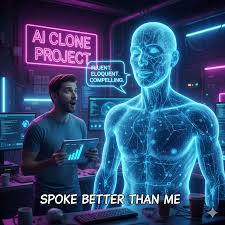
In a surprising turn that highlights just how far artificial intelligence has come, a bank CEO recently did something unexpected during a major presentation. Instead of immediately stepping on stage, he made the audience wait. For nearly 30 minutes, people sat there wondering what was happening. Then, something unusual unfolded—an AI-generated version of the CEO appeared and delivered the entire presentation.
At first, many attendees didn’t even realize they were watching an artificial intelligence clone. The digital version looked and sounded almost identical to the real person. It spoke confidently, explained strategies, and presented insights just like a human executive would. Only later was it revealed that the speaker wasn’t the actual CEO, but a highly advanced AI replica.
Why This Moment Matters
This wasn’t just a gimmick or a publicity stunt. It showed a powerful shift in how businesses might operate in the near future. AI is no longer limited to writing emails or analyzing data—it is now capable of representing people in real-time scenarios.
For companies, this opens up new possibilities. Imagine a CEO who can attend multiple meetings across the world at the same time using AI versions of themselves. It could save time, reduce travel costs, and increase efficiency.
at the same time; it raise important question. If an AI can represent a leader so convincingly, how do we define authenticity? How do we know when we are interacting with a real person versus a digital version?
The Technology Behind AI Clones
Creating such a realistic AI clone is not simple. It involves combining several advanced technologies.
Voice Synthesis
Voice synthesis is used to mimic tone, accent, and speech patterns.
Facial Animation
Facial animation helps replicate expressions and movements.
Machine Learning Models
Machine learning models are trained on past speeches and behavior.
These system learning from hours of recorder data. The more data they have, the more accurate and natural the AI becomes. That’s why the clone in this case was able to deliver a presentation that felt so real.
Benefits for Businesses
The use of AI clones in corporate settings could bring several advantages.
1. Time Efficiency
Executives often have packed schedules. AI clones could handle routine presentations, allowing leaders to focus on critical decisions.
2. Global Reach
Companies operating in multiple countries can use AI to deliver consistent messaging across regions without requiring physical presence.
3. Cost Reduction
Travel, accommodation, and event costs can be significantly reduced.
4. Consistency in Communication
AI ensures that the message delivered is accurate and consistent every time.
Concerns and Ethical Questions
While the idea sounds exciting, it also comes with serious concerns.
Transparency
Should audiences always be informed when they are watching an AI instead of a real person? Many argue that full disclosure is necessary to maintain trust.
Security Risks
If AI clones fall into the wrong hands, they could be misused for fraud or misinformation.
Loss of Human Connection
One of the key elements of leadership is personal connection. Can an AI truly replace the emotional intelligence of a real human?
The Audience Reaction
When the truth was revealed, reactions were mixed. Some people were amazed by the technology and saw it as a glimpse into the future. Others felt uneasy, questioning whether this kind of innovation might go too far.
This mix of excitement and concern is common whenever new technology disrupts traditional ways of doing things.
What This Means for the Future
This event may be just the beginning. As AI continues to evolve, we may see more leaders, influencers, and even educators using digital versions of themselves.
Teach Classes in Multiple Languages Simultaneously
AI clones could help educators reach students in different languages at the same time.
Represent Companies in International Meetings
Businesses may use digital representatives for meetings across different countries.
Deliver Personalized Messages to Millions of People
AI could help leaders communicate with large audiences in more personalized ways.
However, for this future to work, clear guidelines and ethical standards will be essential.
Final Thoughts
The moment when an AI clone took over a CEO’s presentation is more than just an interesting story. It is a sign of change time. Technology is reshaping how we communicate, lead, and interact.
While AI offers incredible possibilities, it also challenges us to think carefully about trust, identity, and authenticity. The key will be finding a balance by using AI to enhance human capabilities without replacing the human touch entirely.
FAQs
1. What is an AI clone?
An AI clone is a digital version of a person created using artificial intelligence. It can mimic their voice, appearance, and communication style.
2. How realistic are AI clones today?
Modern AI clones can be extremely realistic, especially when trained on large amounts of data such as videos and audio recordings.
3. Why did the CEO use an AI clone?
The goal was likely to demonstrate the power of AI technology and explore new ways of communication.
4. Are AI clones safe to use?
They can be safe if used responsibly, but there are risks such as misuse, deepfakes, and identity fraud.
5. Will AI replace human leaders?
AI is more likely to support leaders rather than replace them. It can help with tasks while humans continue to handle decision-making and emotional aspects.