
Artificial intelligence continues to evolve at a remarkable pace, and one of the most discussed developments is the rise of agentic AI. Unlike traditional AI systems that primarily respond to prompts, agentic AI is designed to perform tasks, make decisions, and complete objectives with minimal human intervention.
As businesses search for ways to improve productivity and automate complex processes, agentic AI is becoming a major focus across multiple industries. From enterprise operations and healthcare systems to e-commerce platforms and customer support, intelligent AI agents are transforming how organizations work.
This article explores the latest developments in agentic AI, key industry trends, and why AI agents are becoming one of the most important technology topics of 2026.
What Is Agentic AI?
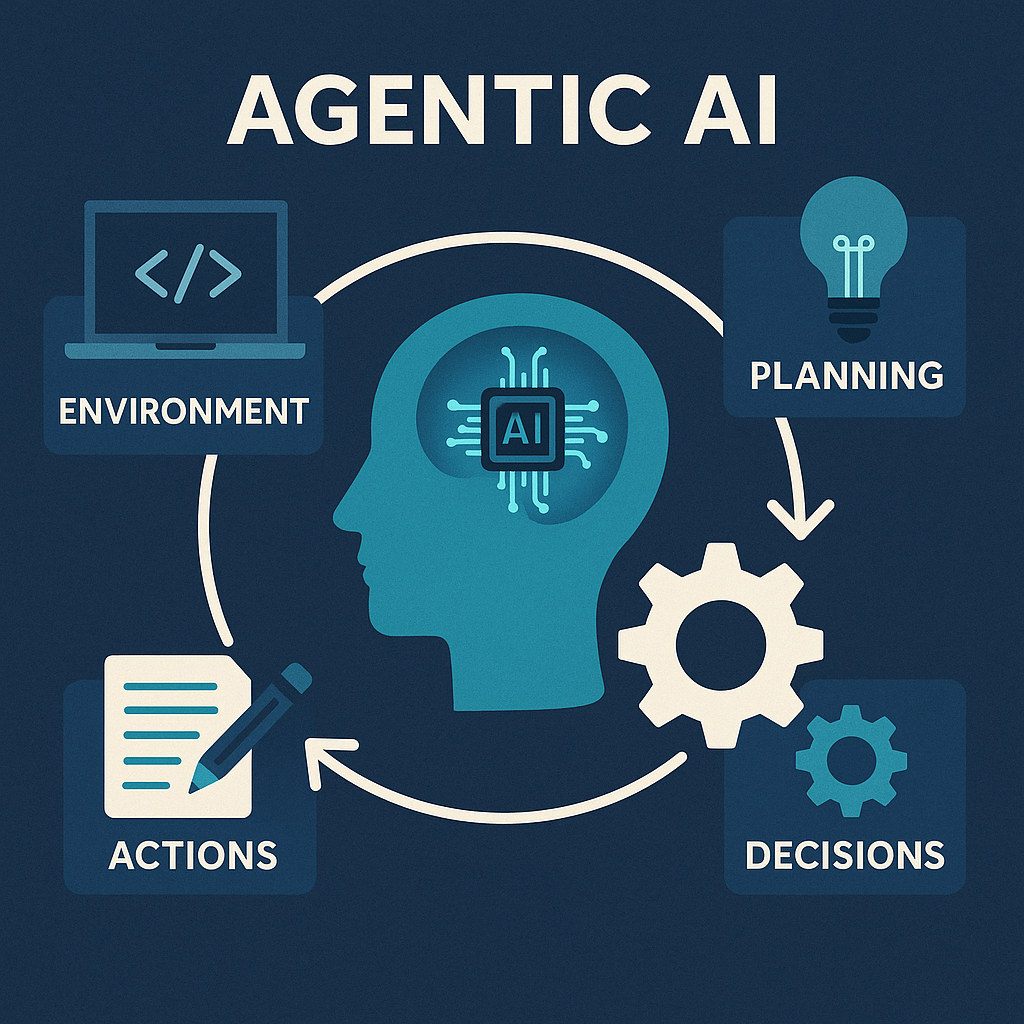
Agentic AI refers to artificial intelligence systems that can independently execute tasks to achieve specific goals.
Rather than waiting for individual instructions, these systems can:
- analyze information
- plan actions
- make decisions
- adapt to changing conditions
- complete multi-step workflows
This capability allows organizations to automate processes that previously required significant human involvement.
As a result, agentic AI is receiving increased attention from technology leaders worldwide.
Why Agentic AI Is Making Headlines
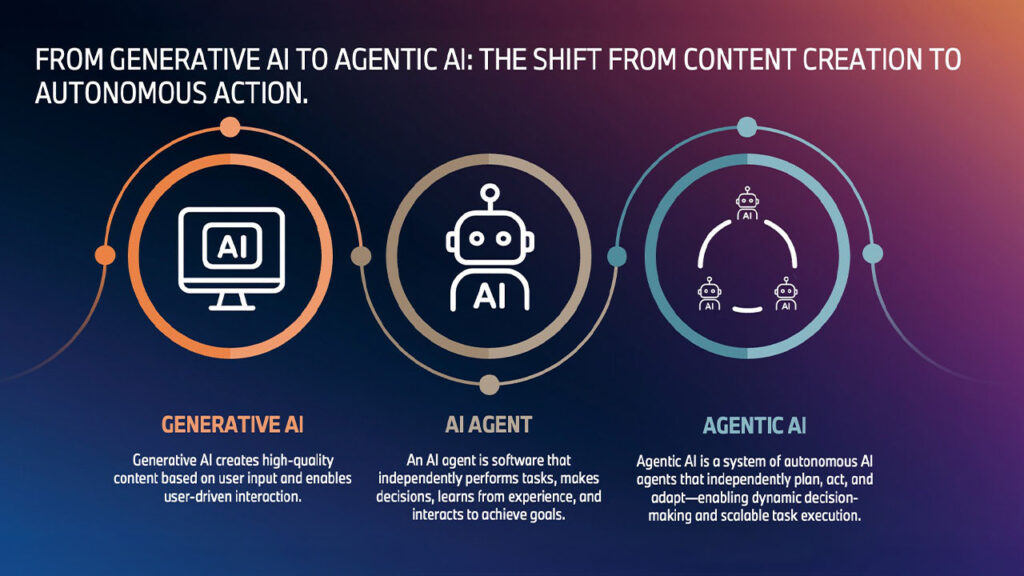
The growing interest in agentic AI comes from its ability to handle more complex responsibilities than conventional automation tools.
Businesses are exploring AI agents because they can:
- reduce repetitive work
- improve operational efficiency
- enhance customer experiences
- accelerate decision-making
- support business growth
These benefits are fueling demand across both large enterprises and smaller organizations.
AI Agents News: Enterprise Adoption Accelerates

One of the biggest themes in recent AI agents news is enterprise adoption.
Companies are increasingly investing in intelligent systems that can manage workflows across departments.
Examples include:
- customer service automation
- data analysis
- project management
- sales support
- operational monitoring
Enterprise leaders view AI agents as tools that can help employees focus on higher-value activities while routine processes are handled automatically.
Agentic AI Foundation Developments
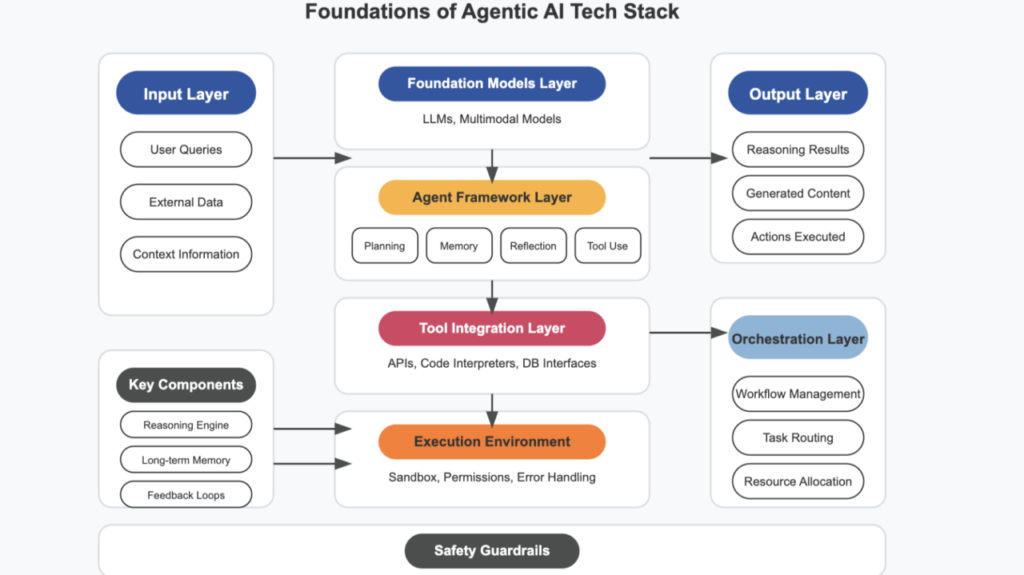
The technology behind agentic AI continues to improve.
Researchers and developers are focusing on building stronger foundations that enable AI systems to operate more effectively in real-world environments.
Recent developments include:
- enhanced reasoning capabilities
- improved memory systems
- better task planning
- more reliable decision-making
These improvements help AI agents perform increasingly sophisticated tasks.
Agentic AI in Healthcare
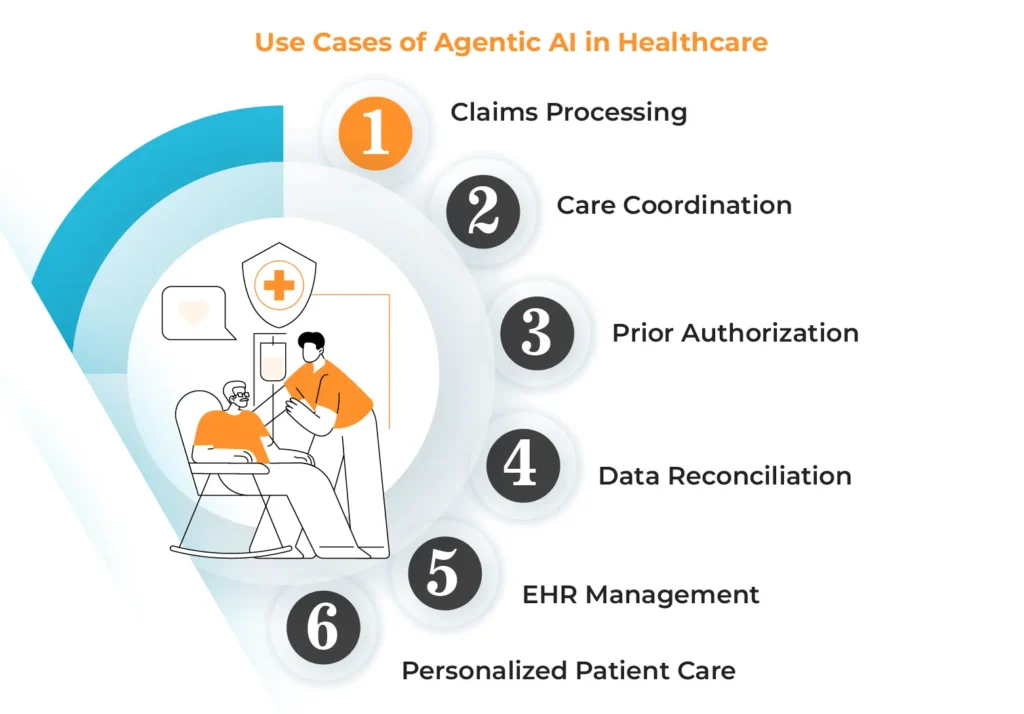
Healthcare remains one of the most promising areas for agentic AI implementation.
Medical organizations are exploring how intelligent agents can assist with:
- patient scheduling
- administrative tasks
- clinical documentation
- healthcare data analysis
By reducing administrative burdens, healthcare professionals may have more time to focus on patient care.
Although human oversight remains essential, AI-powered assistance is becoming an important part of healthcare innovation.
AI Voice Agents Continue to Evolve
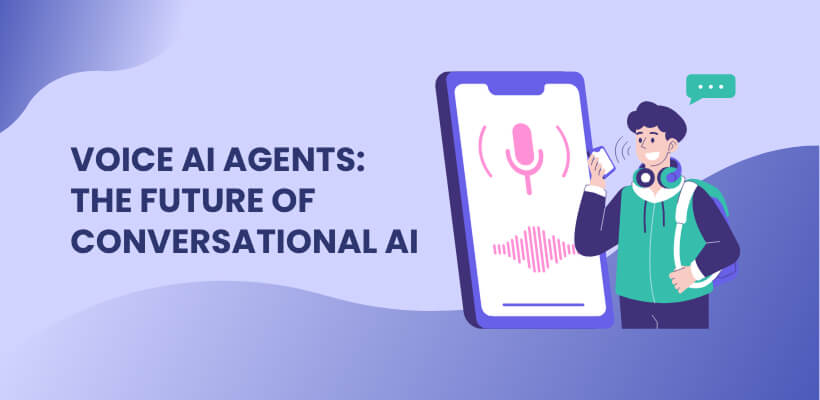
AI voice agents have gained significant attention over the past year.
Modern voice systems can engage in more natural conversations while handling customer inquiries, appointment scheduling, and support requests.
Businesses are increasingly using voice agents to:
- improve customer service availability
- reduce response times
- manage high communication volumes
Advances in speech recognition and language processing continue improving these experiences.
Shopify and AI Commerce Innovation
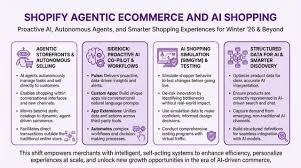
E-commerce platforms are also exploring agentic AI capabilities.
Many businesses are interested in how AI agents can assist with:
- product recommendations
- inventory management
- customer support
- marketing automation
As online retail becomes more competitive, intelligent automation tools may help merchants operate more efficiently while delivering better customer experiences.
The growing interest in AI-powered commerce solutions is driving significant innovation throughout the industry.
Agentic AI Workflow Automation
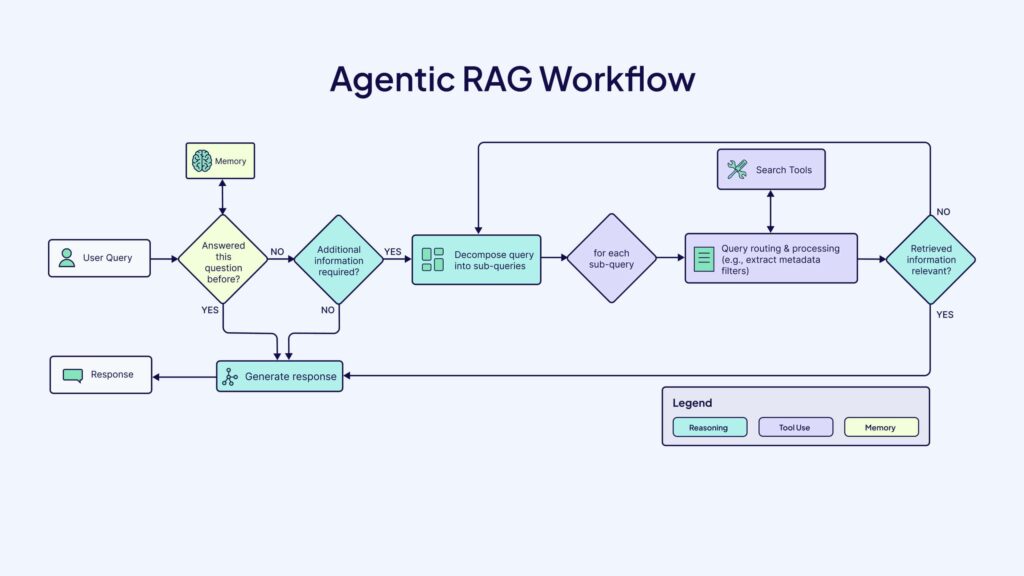
Workflow automation is one of the strongest use cases for agentic AI.
Traditional automation often requires predefined rules.
Agentic systems can adapt more dynamically by evaluating situations and determining appropriate actions.
Examples include:
- document processing
- lead management
- customer onboarding
- business reporting
Organizations adopting workflow automation frequently seek greater efficiency and scalability.
Challenges Facing Agentic AI
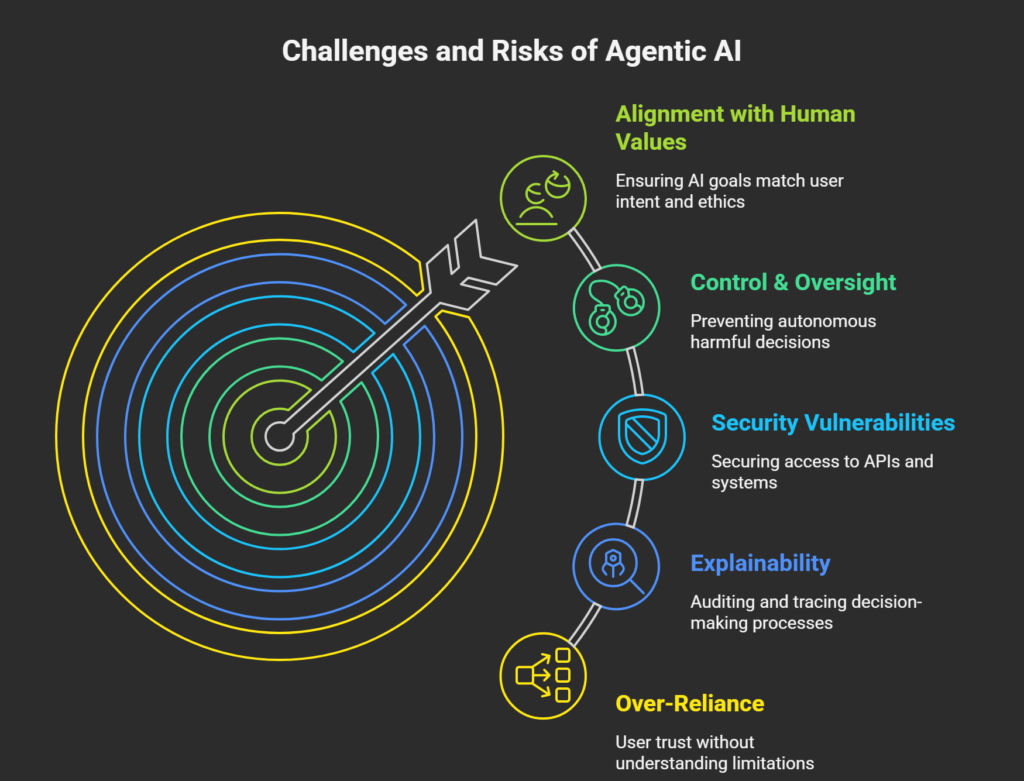
Despite rapid progress, several challenges remain.
Key concerns include:
Reliability
Organizations need confidence that AI agents will consistently perform tasks correctly.
Security
As AI systems gain greater autonomy, protecting sensitive information becomes increasingly important.
Transparency
Businesses want to understand how AI systems make decisions.
Governance
Clear policies are needed to ensure responsible AI deployment.
Addressing these challenges will play an important role in long-term adoption.
The Future of Agentic AI
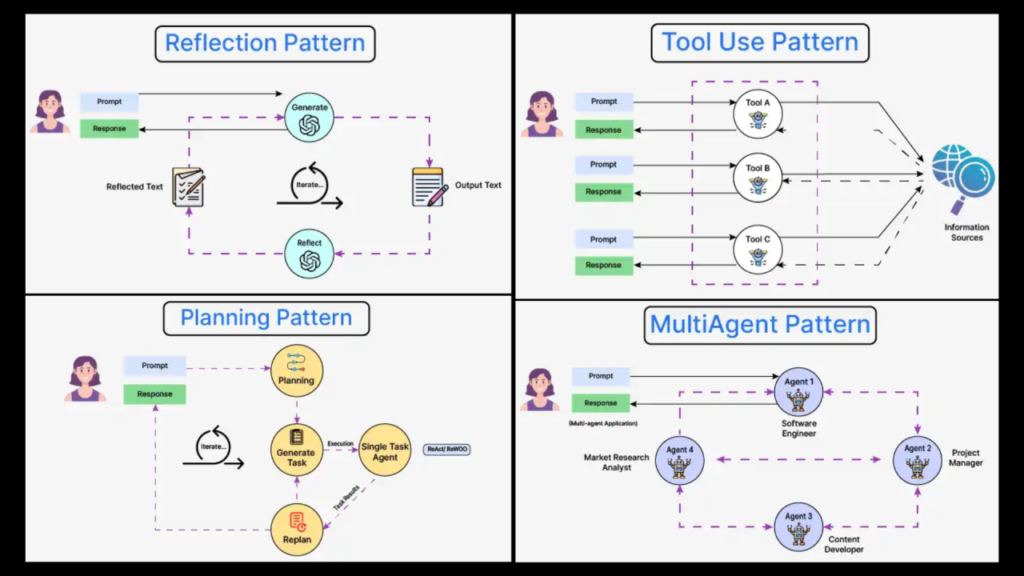
Industry experts expect agentic AI to become increasingly integrated into everyday business operations.
Future developments may include:
- more advanced autonomous workflows
- stronger collaboration between humans and AI
- improved decision-making systems
- broader industry adoption
As technology matures, AI agents are likely to become valuable digital assistants capable of handling increasingly complex responsibilities.
How Businesses Can Prepare
Organizations interested in agentic AI should focus on:
- identifying repetitive processes
- evaluating automation opportunities
- improving data quality
- establishing governance frameworks
- educating employees about AI technologies
Preparation can help businesses maximize the benefits of future AI advancements.
Final Thoughts
Agentic AI represents a significant evolution in artificial intelligence. Rather than simply responding to commands, AI agents are increasingly capable of planning, reasoning, and completing objectives independently.
From healthcare and enterprise operations to e-commerce and customer support, organizations are actively exploring how these technologies can improve efficiency and innovation.
As adoption continues to expand throughout 2026 and beyond, agentic AI is expected to remain one of the most important developments in the technology landscape.
FAQs
What is agentic AI?
Agentic AI refers to intelligent systems that can plan actions, make decisions, and complete tasks with limited human intervention.
Why is agentic AI becoming popular?
Organizations are adopting agentic AI to automate workflows, improve productivity, and support business growth.
How are AI agents used in enterprises?
AI agents can assist with customer support, data analysis, workflow management, and operational automation.
Can agentic AI be used in healthcare?
Yes. Healthcare organizations are exploring AI agents for administrative support, documentation, and data management tasks.
What industries are adopting agentic AI?
Healthcare, finance, retail, e-commerce, customer service, and enterprise technology sectors are among the industries exploring agentic AI solutions.