
Artificial intelligence is changing the way businesses operate, employees work, and industries grow. Over the past few years, AI has moved from being an experimental technology to becoming an essential tool used in healthcare, finance, education, manufacturing, marketing, and countless other sectors.
As organizations continue investing in automation and intelligent systems, many people are asking important questions.Which careers could be most affected by artificial intelligence by 2030? Which careers will remain valuable? And what new opportunities will emerge as technology advances?
While some traditional roles may evolve or become partially automated, AI is also creating entirely new career paths. Understanding these opportunities can help students, professionals, and business owners prepare for the future job market.
Why AI Is Transforming the Job Market
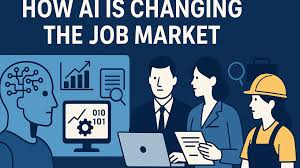
Technology has always changed how people work. The difference today is the speed at which artificial intelligence is developing.
Modern AI systems can:
- analyze large amounts of data
- automate repetitive tasks
- improve customer support
- generate content
- assist with software development
- support business decision-making
Because of these capabilities, companies are redesigning workflows and creating new technology-focused positions.
Rather than eliminating every job, AI is changing the skills employers value most.
Will AI Replace Jobs by 2030?
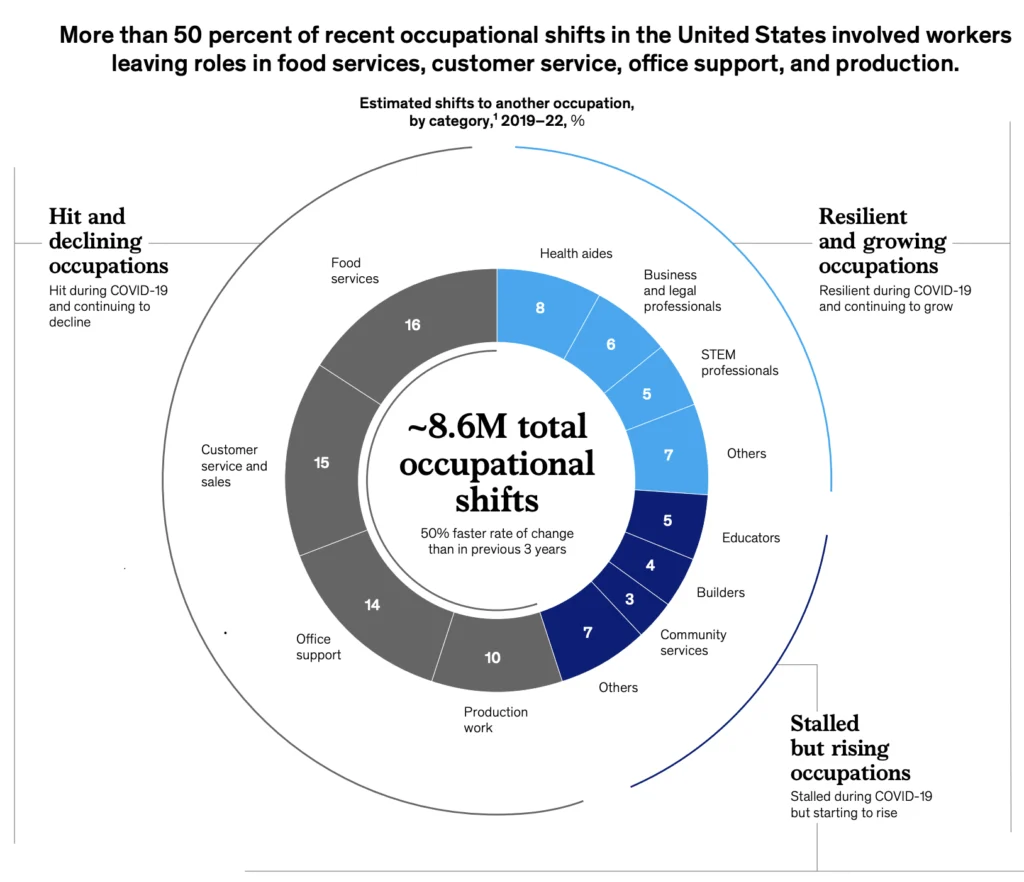
The actual situation is often more detailed than it appears in popular discussions.
Option 2
AI is most effective at handling repetitive and predictable tasks. Jobs involving creativity, leadership, problem-solving, emotional intelligence, and strategic thinking are generally harder to automate.
Instead of replacing entire professions, AI is likely to automate specific tasks within those professions.
As a result, workers who learn to collaborate with AI tools may gain significant advantages in the future workplace.
AI Engineer
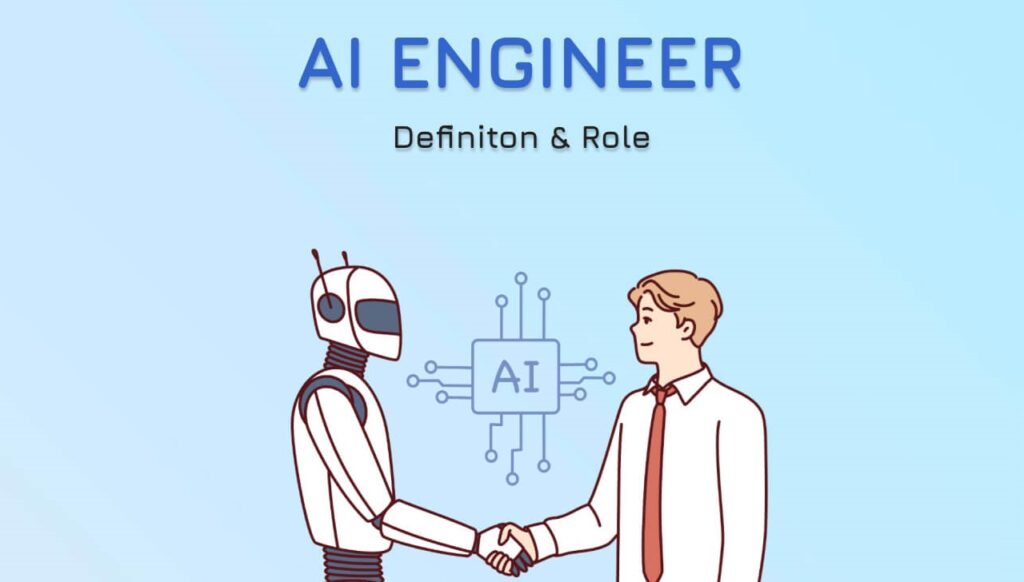
AI engineers are expected to remain among the most in-demand professionals throughout the next decade.
Their responsibilities include:
- designing AI systems
- building machine learning models
- improving algorithms
- testing intelligent applications
As businesses continue adopting AI technologies, demand for experienced AI engineers is likely to increase.
Machine Learning Specialist

Machine learning powers many modern AI systems.
Machine learning specialists help organizations:
- train AI models
- improve prediction accuracy
- analyze data patterns
- optimize system performance
These professionals play a key role in helping companies gain value from data.
Data Scientist
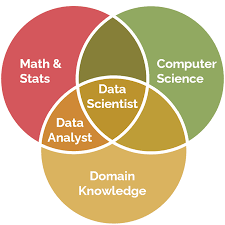
Data continues to be one of the most valuable business assets.
Data scientists transform raw information into meaningful insights that support decision-making.
Their work often includes:
- statistical analysis
- predictive modeling
- business intelligence
- trend forecasting
As organizations collect more information, demand for skilled data professionals is expected to remain strong.
AI Product Manager
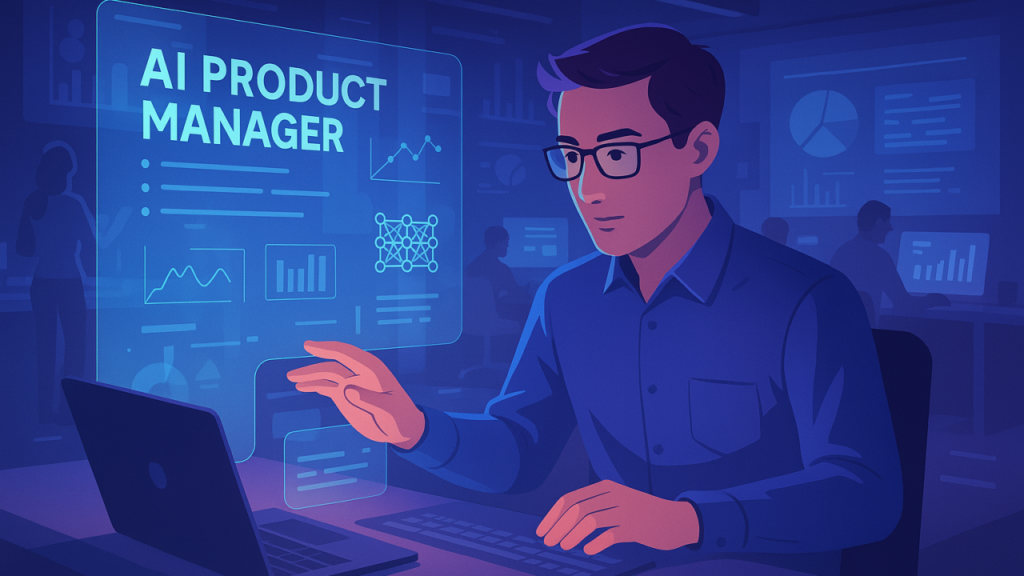
Technology companies need professionals who can connect business goals with technical development.
AI product managers help guide:
- product strategy
- AI implementation
- feature planning
- market research
Professionals in this position bridge the gap between technology teams and business objectives.
Cybersecurity Analyst
As AI systems become more widespread, security concerns continue to grow.
Cybersecurity professionals help protect organizations from:
- cyberattacks
- data breaches
- malware threats
- unauthorized access
AI-powered threats are becoming more sophisticated, increasing the importance of security expertise.
AI Ethics Specialist
Businesses increasingly recognize the need for responsible AI development.
AI ethics specialists focus on:
- fairness
- transparency
- accountability
- compliance
Organizations want to ensure that AI systems operate responsibly and minimize potential risks.
Robotics Engineer
Automation is expanding beyond software into physical environments.
Robotics engineers develop systems used in:
- manufacturing
- logistics
- healthcare
- transportation
As robotic technology advances, demand for skilled engineers is likely to grow.
AI Content Strategist
Content creation is changing rapidly.
While AI tools can generate content, businesses still need professionals who can:
- develop content strategies
- maintain quality standards
- oversee brand messaging
- optimize audience engagement
Human oversight remains essential for effective communication.
Cloud Computing Specialist
Most AI systems depend on powerful computing infrastructure.
Cloud specialists help organizations manage:
- cloud platforms
- storage systems
- computing resources
- scalability requirements
The growth of AI continues driving demand for cloud expertise.
Prompt Engineer
Prompt enginer has emerging as a special skill.
Professionals in this field help organizations get better results from AI systems by creating effective instructions and workflows.
Although the role may evolve over time, understanding how to communicate effectively with AI tools is becoming increasingly valuable.
Skills That May Become More Important by 2030
Regardless of profession, several skills are expected to remain highly valuable.
These include:
- critical thinking
- adaptability
- creativity
- leadership
- communication
- technical literacy
- problem-solving
People who combine these skills with AI knowledge may have stronger career opportunities.
How to Prepare for Future AI Careers
Preparing for future opportunities does not necessarily require advanced technical expertise.
Practical steps include:
- learning AI fundamentals
- developing digital skills
- improving data literacy
- exploring automation tools
- staying informed about industry trends
Continuous learning will likely become one of the most important career advantages.
Final Thoughts
Artificial intelligence is transforming industries, but the future job market is unlikely to be defined solely by job losses. Instead, many roles will evolve while new opportunities emerge.
The most successful workers in 2030 may not be those competing against AI, but those who know how to work alongside it.
FAQs
Which AI jobs are expected to grow the fastest by 2030?
AI engineers, machine learning specialists, cybersecurity analysts, and data scientists are among the careers expected to see strong growth.
What jobs will AI replace by 2030?
AI is more likely to automate repetitive tasks rather than completely replace most professions.
Is AI creating new career opportunities?
Yes. Artificial intelligence is generating demand for new roles across technology, business, and research sectors.
How can students prepare for AI careers?
Students can build future-ready skills by learning technology fundamentals, data analysis, problem-solving, and AI concepts.