
Search engine optimization changes frequently, and one of the most important updates introduced by Google was the Panda Update. This update completely changed how websites rank in search results by focusing more on content quality and user value.
Before Panda, many websites ranked by publishing large amounts of low-quality articles filled with excessive keywords. Google noticed that users were finding poor search results, so it introduced the Panda algorithm to improve search quality.
Today, understanding the Google Panda Update is still important for bloggers, SEO beginners, affiliate marketers, and website owners who want better rankings and long-term organic traffic.
What Is the Google Panda Update?
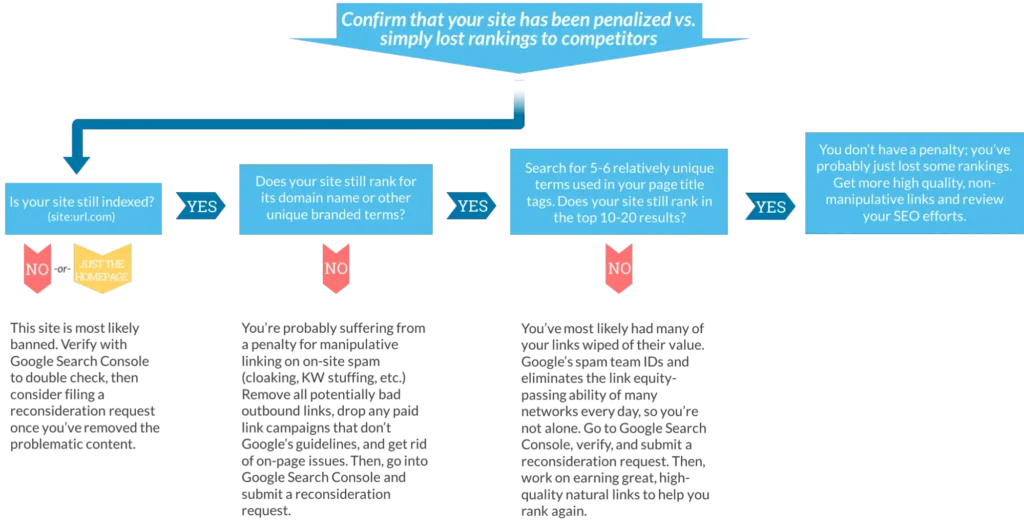
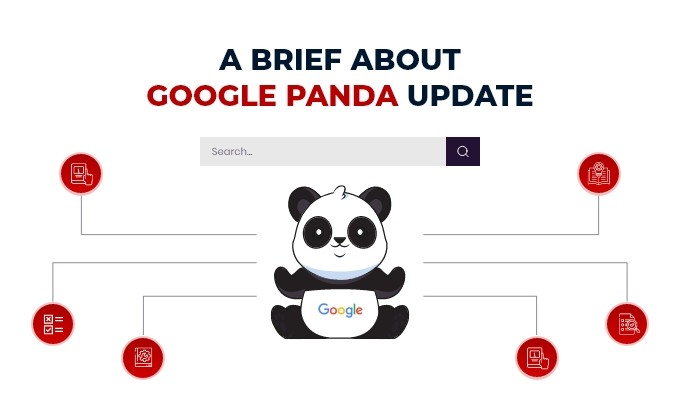
The Google Panda Update is a search ranking algorithm created to reduce the visibility of low-quality websites in search results.
The update mainly targets:
- Thin content
- Duplicate articles
- Keyword stuffing
- Low-value pages
- Content farms
- Poor user experience
At the same time, Panda rewards websites that publish useful, original, and informative content.
Why Google Introduced Panda
Google’s main goal has always been improving user experience. Before Panda, many websites used aggressive SEO techniques to rank quickly without providing real value to users.
Search results became crowded with:
- Rewritten articles
- Short low-quality posts
- Spammy pages
- Excessive advertisements
To solve this issue, Google launched Panda to prioritize websites that genuinely help users.
How Panda Changed SEO Forever
The Panda Update shifted SEO away from quantity and toward quality.
Previously:
- Publishing hundreds of short articles could improve rankings
After Panda:
- Helpful and trustworthy content became more important
This changed how websites approach content creation and SEO strategies.
Signs Your Website May Be Affected by Panda
A website impacted by Panda may experience:
- Sudden traffic drops
- Lower keyword rankings
- Reduced page indexing
- Declining organic clicks
- Weak engagement metrics
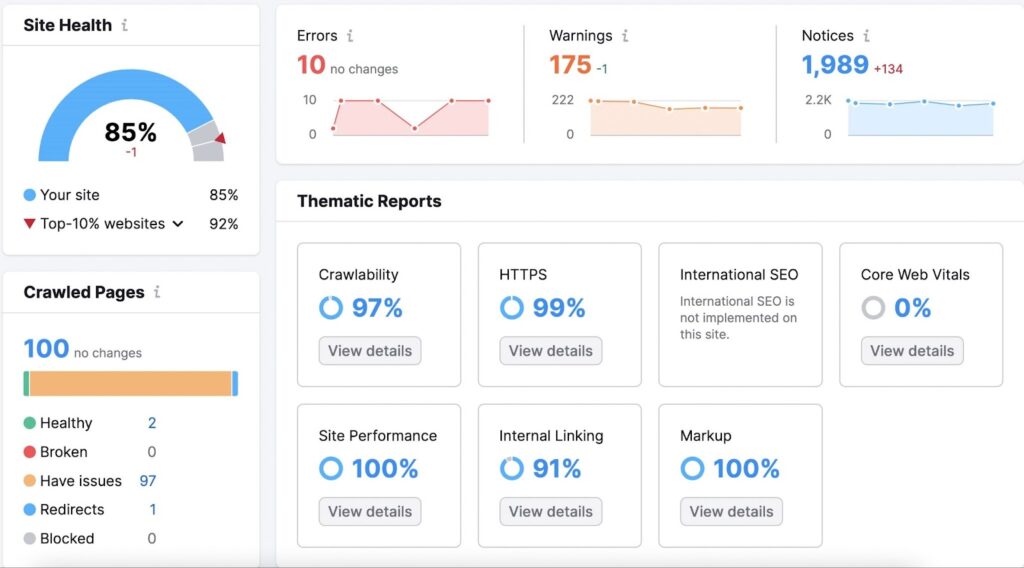
If low-quality content exists on the website, Panda-related issues may appear over time.
Common Panda SEO Mistakes
Thin Content
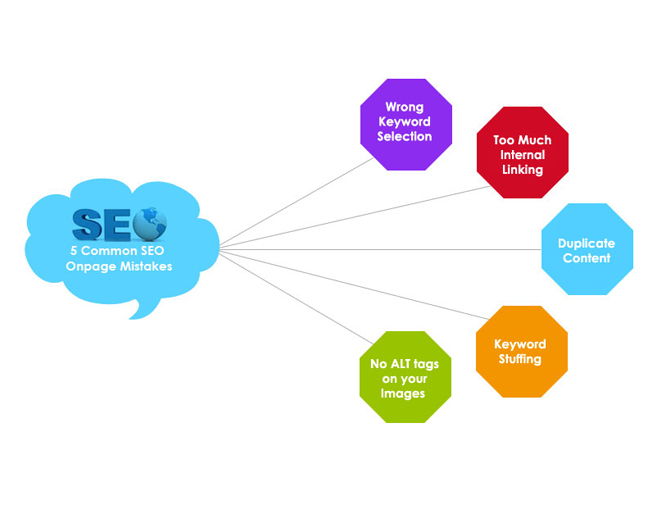
Very short pages with little useful information often struggle to rank well.
Google prefers detailed and informative articles that answer user questions clearly.
Duplicate Content Problems
Publishing repeated material or using content that closely matches other webpages can weaken a website’s search engine visibility.
Unique writing helps search engines understand your website’s originality.
Excessive Keyword Usage
Using the same keyword repeatedly makes content difficult to read naturally.
Modern SEO focuses more on readability and topic relevance than keyword repetition.
Poor User Experience
Websites filled with intrusive ads, slow loading times, or confusing layouts may create negative user signals.
User satisfaction has become increasingly important in search rankings.
How to Recover from a Panda Penalty
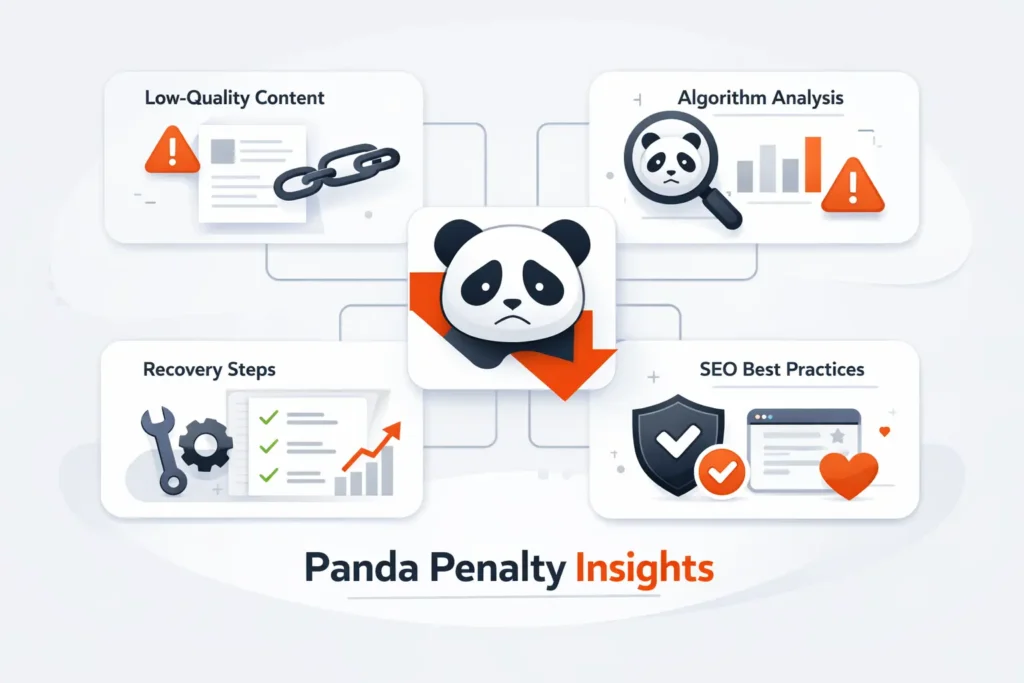
Improve Content Quality
Update weak articles by:
- Adding useful information
- Improving readability
- Expanding explanations
- Removing unnecessary text
Long-form educational content usually performs better.
Remove Low-Value Pages
Delete or improve pages that provide little value.
Examples include:
- Empty category pages
- Duplicate tags
- Thin affiliate pages
- Auto-generated content
Focus on User Intent

Instead of writing only for search engines, create content that genuinely solves user problems.
Helpful content improves:
- Time on page
- Engagement
- Return visitors
- Organic rankings
Build Trust and Authority

Google favors websites that appear trustworthy.
You can improve trust by:
- Using clear author information
- Adding contact pages
- Publishing accurate information
- Maintaining website security
Panda and Modern SEO
Although Panda became part of Google’s core algorithm years ago, its principles still influence SEO today.
Modern ranking systems continue rewarding:
- Helpful content
- Expertise
- Originality
- User-focused writing
This means Panda concepts are still highly relevant for SEO beginners.
Content Quality Matters More Than Ever
Search engines have become smarter at understanding content value.
Today, successful websites focus on:
- Solving real problems
- Writing naturally
- Providing accurate information
- Improving readability
This approach creates better long-term SEO stability.
Best SEO Practices After Panda
Create Original Content
Write content based on your own expertise, research, and explanations.
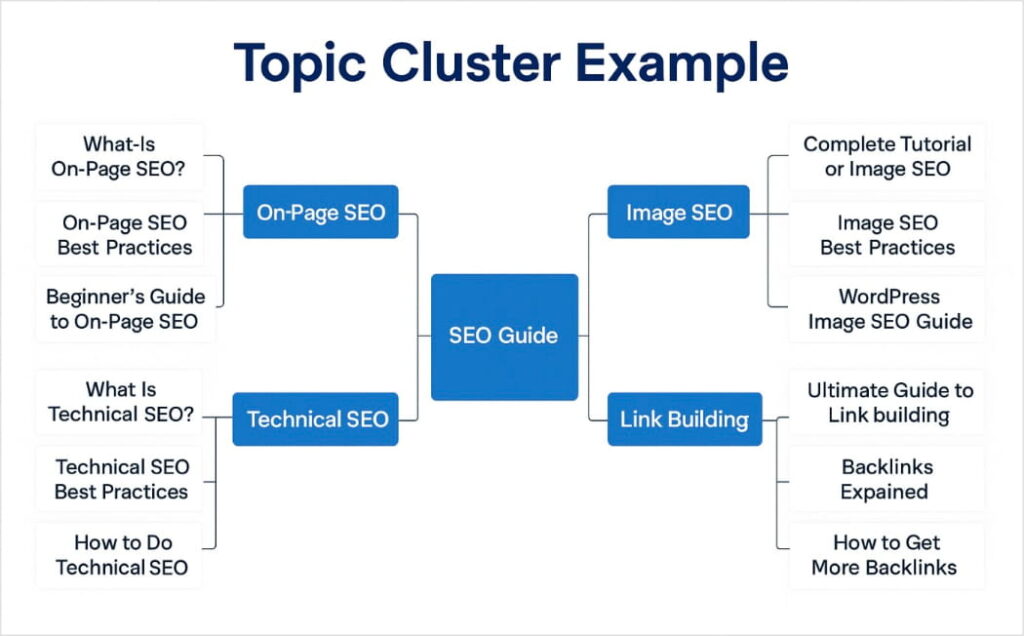
Use Clear Website Structure
Organized headings and clean navigation improve both readability and crawling.
Optimize for Humans First
Content should feel natural and useful instead of overly optimized for search engines.
Improve Engagement Metrics
Encourage visitors to:
- Explore more pages
- Spend more time reading
- Interact with your content
Strong engagement signals can support SEO growth.
Avoid Low-Quality SEO Techniques
Avoid:
- Keyword stuffing
- Duplicate pages
- Auto-generated articles
- Spam backlinks
These outdated methods may hurt rankings over time.
Why Panda Still Matters in 2026
Even though search algorithms continue evolving, Panda introduced the foundation for modern content quality standards.
Many current Google systems still prioritize:
- Helpful content
- User satisfaction
- Website trustworthiness
- Original publishing
Understanding Panda help beginners build safe and more sustainable SEO strategie.
Final Thoughts
The Google Panda Update transformed SEO by rewarding quality over quantity. Websites can no longer rely on weak content or outdated optimization tricks to rank well.
Instead, long-term success comes from publishing useful, original, and user-focused content that genuinely helps readers.
For SEO beginners, learning Panda principles is an important step toward building a stronger website and improving organic visibility.
FAQs
1. What is the Google Panda Update?
Google Panda is an algorithm update designed to reduce low-quality content in search results.
2. What type of websites does Panda target?
Panda mainly targets websites with duplicate, thin, spammy, or low-value content.
3. Can poor content affect SEO rankings?
Yes, weak or unhelpful content can reduce search visibility and organic traffic.
4. How can I improve content quality for SEO?
Focus on originality, helpful information, readability, and solving user problems naturally.
5. Is the Panda algorithm still important today?
Yes, many modern Google ranking systems still follow Panda’s quality-focused principles.