
Introduction

Starting a blog can be exciting, but creating content that attracts readers requires more than simply publishing articles. A successful blog needs useful information, clear writing, proper SEO, and consistency. Whether you’re new to blogging or already running a website, using effective blogging strategies can improve your content and strengthen your online presence.
Blogging is also a long-term process. Results may not appear immediately, but publishing valuable content regularly can help your website gain visibility and attract an audience over time. The following tips can help you create better blog posts and develop a more effective blogging strategy.
1. Choose Topics Your Audience Searches For

Choose relevant topics that address the needs and interests of your target audience before creating a blog post.
. Think about the questions, problems, and interests of your readers.
Keyword research allows you to identify the terms and queries people commonly use when searching online.
Instead of choosing topics randomly, select subjects that have genuine search demand and are relevant to your website.
For example, a website about digital marketing could publish articles about SEO, social media marketing, content creation, and keyword research.
2. Understand Search Intent

Search intent describes the purpose or goal a user has when entering a particular search query.
Understanding intent helps you create content that answers the user’s actual needs.
Some searches are informational, while others are related to products, services, or specific websites. Your article should match the purpose behind the keyword.
If someone searches for “how to start a blog,” they probably want a step-by-step guide rather than a sales pageAligning your content with search intent helps make it more relevant and valuable to your audience.
3. Create Helpful and Original Content

One of the most important blogging tips is to focus on usefulness rather than simply increasing word count. Readers want clear answers, practical information, examples, and solutions.
Avoid copying content from other websites. Research your topic from reliable sources and explain the information using your own structure and wording.
Original content can also help establish your website as a useful resource within your chosen niche.
4. Write an Attractive Introduction

The introduction gives readers their first impression of your article. A strong opening should quickly explain what the article is about and why the reader should continue.
Avoid unnecessarily long introductions. Start with the problem, question, or benefit that matters to your audience.
Rather than opening with a broad introduction to blogging, highlight how the article can help readers create better content and bring more visitors to their blogs.
5. Use Clear Headings and Short Paragraphs
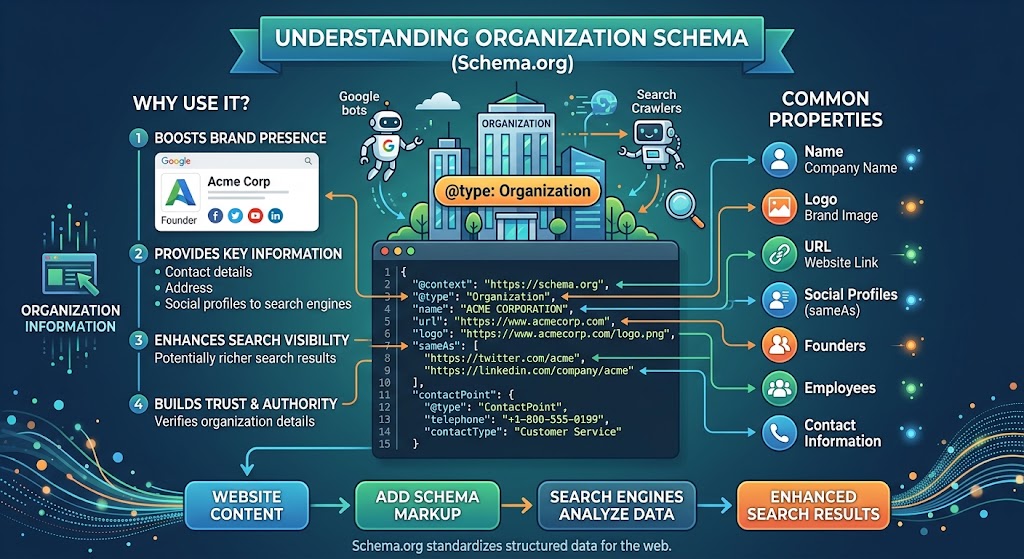
Long, dense paragraphs can make your blog post harder for readers to follow.
Break your content into sections using descriptive headings.
Keep paragraphs relatively short and use bullet points or numbered lists when they improve readability.
A clear structure helps readers scan an article and quickly find the information they need.A clear structure also helps search engines better interpret and understand your content.
6. Optimize Your Blog for SEO

Search engine optimization can help your articles become easier to discover through search engines.
Use your primary keyword naturally in important areas such as the title, introduction, headings where appropriate, URL, and meta description. However, avoid repeating the keyword unnecessarily.
You should also consider internal links, descriptive image alt text, readable URLs, and useful supporting keywords.
SEO should improve the user’s experience rather than make the article sound unnatural.
7. Add Internal Links
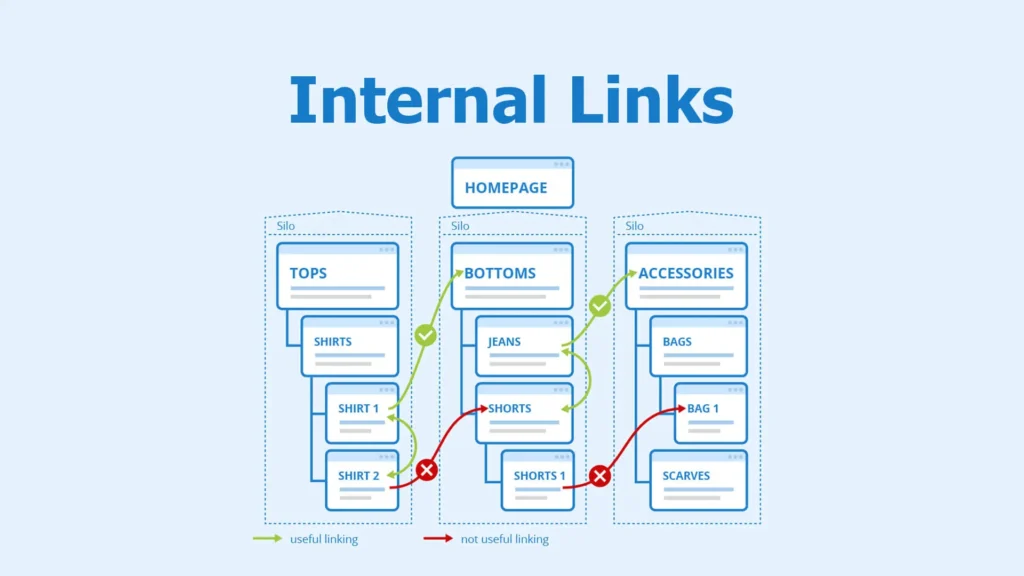
Internal links connect related pages across your website, making it easier for visitors to find more useful information and navigate between topics. For instance, an article about keyword research can direct readers to a related guide on search intent or on-page SEO. Choose descriptive anchor text so visitors know what information they can expect after clicking the link.
8. Use Images and Visual Elements
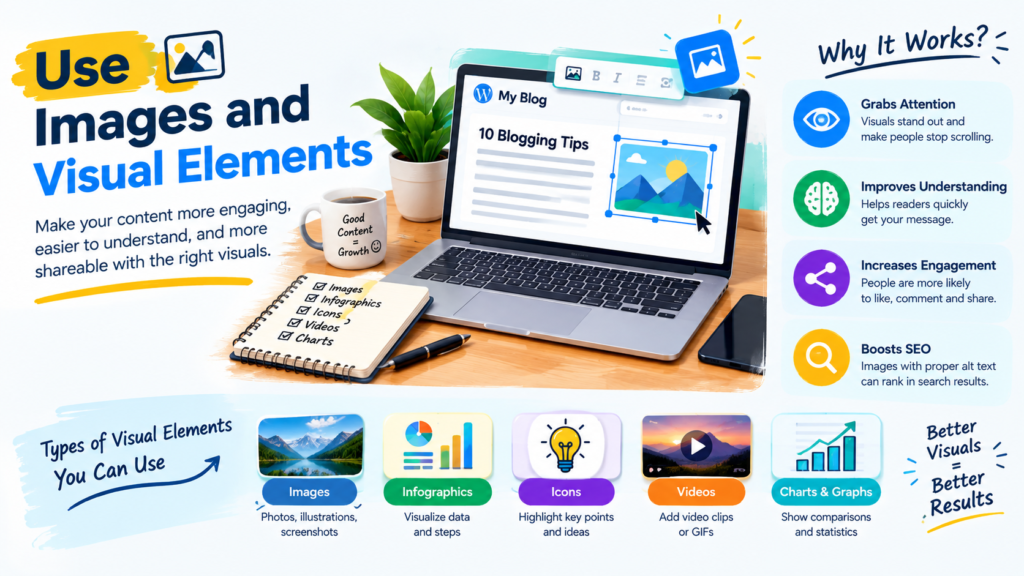
Relevant images can make a blog post more attractive and easier to understand. Screenshots, diagrams, charts, and illustrations can be particularly useful for tutorials and educational content.
Make sure images are properly optimized so they do not unnecessarily slow down your website.
Use descriptive file names and meaningful alt text where appropriate. Images should support the content rather than exist only for decoration.
9. Update Older Blog Posts
Creating fresh blog posts is valuable, but regularly refreshing older content is equally important for maintaining a strong blog.
Review older posts periodically and check whether the information is still accurate. Update outdated examples, statistics, links, screenshots, and recommendations when necessary.
Refine your headings, include any missing details, improve internal linking, and adjust the content for better readability.
Keeping useful content updated can help maintain its value for readers.
10. Be Consistent With Publishing
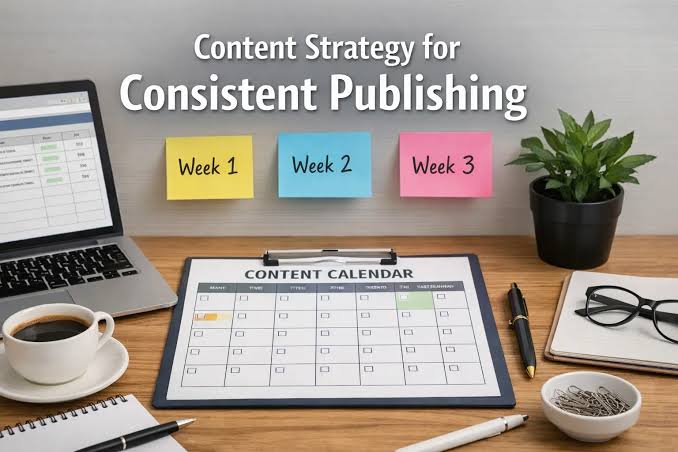
There is no need to post a new article every day. A consistent and manageable publishing routine is often more effective than producing a lot of content briefly and then becoming inactive.
Choose a schedule that you can maintain. For example, you might publish one or two high-quality articles each week.
Consistency gives you more opportunities to cover relevant topics, build an organized content library, and attract returning readers.
Promote Your Blog Content
Publishing an article does not always guarantee that people will discover it. After publishing, share your content through suitable channels such as social media, newsletters, online communities, or other relevant platforms.
Promotion should focus on providing value rather than repeatedly posting the same promotional message.
Link related blog posts together so readers can easily discover more helpful content and explore other pages on your website.
Track Your Results

Monitor your blog with analytics and search performance tools to see how well your content is performing.
Pay attention to metrics such as organic traffic, impressions, clicks, engagement, and the queries that bring visitors to your website.
This data can show you which topics are attracting better results and which areas of your content could benefit from improvement.
Instead of making changes based only on assumptions, use your performance data to guide future content decisions.
Common Blogging Mistakes to Avoid
New bloggers often make several mistakes that can limit their progress. These include writing without researching the audience, copying content, targeting unrelated keywords, ignoring search intent, using excessive keywords, and publishing without proofreading.
Another common problem is focusing entirely on search engines while forgetting human readers. Your article should first be useful and understandable to people.
Avoid creating content only to reach a specific word count. A shorter article that completely answers a question can be more useful than a long article filled with unnecessary information.
Conclusion
Successful blogging requires useful content, clear organization, SEO awareness, and consistent effort. By choosing relevant topics, understanding search intent, creating original information, using internal links, optimizing your pages, and reviewing your performance, you can gradually build a stronger blog.
The most important approach is to focus on your readers. When your content genuinely answers their questions and provides practical value, you create a better foundation for long-term blog growth.
FAQs
1. What are the most important blogging tips for beginners?
Beginners should focus on choosing relevant topics, understanding their audience, creating original content, using basic SEO, and maintaining a consistent publishing schedule.
2. How often should I publish blog posts?
There is no universal publishing frequency. Choose a schedule that allows you to consistently produce useful and well-researched content.
3. Is SEO important for blogging?
Yes. SEO can help search engines understand your content and make relevant pages easier for people to discover through organic search.
4. How can I increase blog traffic?
Create useful content around relevant search topics, optimize your pages for SEO, build internal links, promote your articles, and regularly improve older content.
5. Should blog posts be long?
Not necessarily. The ideal length depends on the topic and search intent. The goal should be to provide a complete and useful answer rather than reaching an arbitrary word count.
6. How can I make my blog content more engaging?
Use clear headings, short paragraphs, examples, relevant images, lists, and practical information. Write in a way that directly addresses your readers’ questions.
7. What is the biggest blogging mistake?
Creating content without understanding the audience or purpose of the article is a common mistake. Every post should have a clear topic, target audience, and useful purpose.