
Introduction

Creating quality content consistently can be difficult for businesses, bloggers, and marketers. Finding suitable topics, understanding audience needs, researching keywords, writing content, and measuring results all require time and effort. An AI content strategy can make these processes more organized and efficient.
Artificial intelligence can help marketers analyze information, discover content opportunities, generate ideas, and improve existing material. However, successful content should not depend entirely on automation. Human knowledge, creativity, fact-checking, and editing remain important.
A good AI content strategy combines technology with human judgment. The goal is not simply to produce more articles but to create content that answers real questions and provides value to readers.
What Is an AI Content Strategy?

An AI content strategy is a planned approach that uses artificial intelligence tools to support different stages of content creation and marketing.
AI can assist with tasks such as:
- Finding content ideas
- Understanding search intent
- Researching keywords
- Creating outlines
- Improving headlines
- Drafting content
- Optimizing existing articles
- Identifying content gaps
- Analyzing performance
Instead of replacing the entire content process, AI works as a supporting tool. Marketers can use it to reduce repetitive work and spend more time on strategy and creative decisions.
Why Is AI Content Strategy Important?

More and more content is being created and published across the internet. Businesses need a practical way to compete for attention without wasting valuable resources.
An AI-powered approach can help teams organize their content workflow and identify opportunities more quickly. It can also make research easier by processing large amounts of information and highlighting useful patterns.
Another advantage is consistency. A documented strategy can help businesses maintain a regular publishing schedule while keeping their content focused on specific audiences and goals.
However, speed should never be the only objective. Content still needs accuracy, originality, useful information, and a clear purpose.
How AI Helps With Content Research
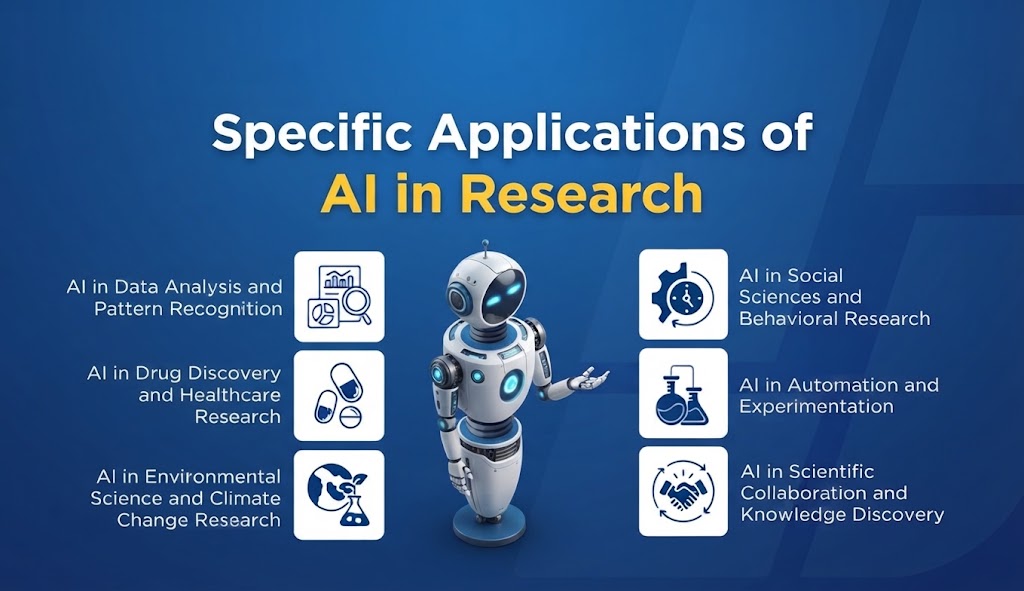
Research is one of the most important parts of content marketing. Before writing an article, marketers need to understand what people are searching for and what type of information they expect.
AI tools can help generate topic ideas based on a particular industry or audience. They can also organize related subjects and suggest questions that readers may have.
For SEO, marketers can combine AI assistance with keyword research tools to identify relevant search terms. This makes it easier to create content around topics that have genuine search demand.
AI can also help analyze existing content and identify areas that may need improvement.
AI for Content Planning
A strong content plan prevents random publishing. Instead of creating unrelated articles, businesses can build groups of content around important topics.
AI can help create content calendars based on:
- Target audience
- Business goals
- Main topics
- Keywords
- Seasonal opportunities
- Customer questions
For example, a company selling digital marketing services could create content around SEO, social media, email marketing, content marketing, and analytics.
These topics can then be divided into smaller articles. This approach creates a more organized website and gives readers multiple useful resources.
AI and SEO Content Optimization
Search engine optimization is another area where AI can provide useful assistance. AI can help review headings, identify related terms, improve readability, and suggest areas that may be missing from an article.
It can also help marketers understand whether content covers a topic comprehensively.
However, SEO should not become an excuse for producing repetitive or unnatural writing. Keywords should be used naturally, while the main focus should remain on helping the reader.
A useful article should answer the searcher’s question quickly and provide additional information when necessary.
Keeping AI Content Human

One of the biggest mistakes businesses can make is publishing AI-generated text without reviewing it.
AI-generated content can sometimes contain incorrect information, repetitive phrases, weak examples, or an unnatural writing style. Human editing helps solve these problems.
Before publishing AI-assisted content, review it for:
- Accuracy
- Originality
- Readability
- Brand voice
- Facts and statistics
- Examples
- Search intent
- Overall usefulness
Adding personal experience, original examples, expert opinions, and practical advice can make content more valuable.
Creating a Practical AI Content Workflow
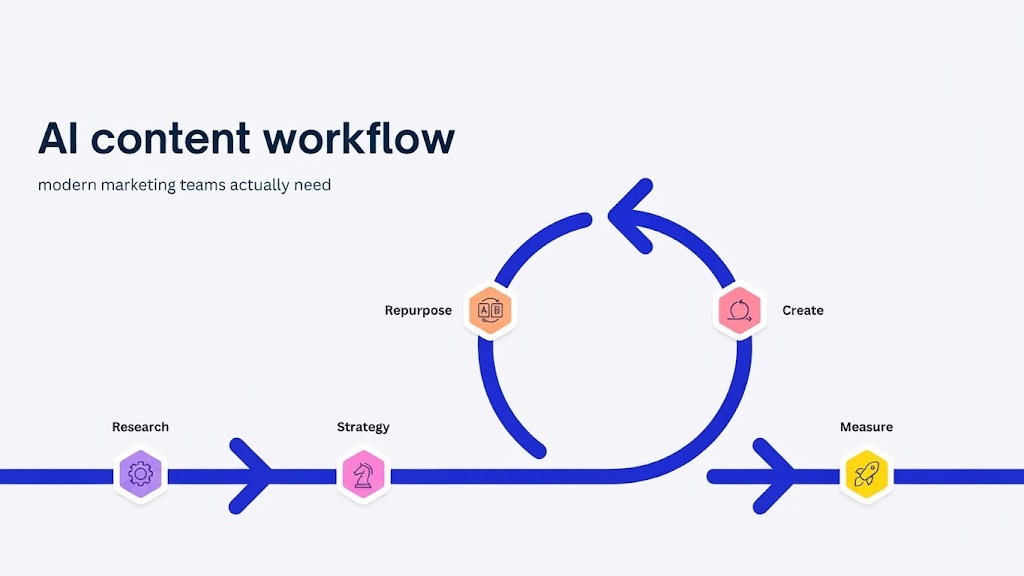
A simple workflow can make AI content production easier.
Step 1: Define Your Audience
Start by identifying who you want to reach. Understand their problems, interests, questions, and goals.
Step 2: Choose Content Topics
Select topics related to your business and audience. Use keyword research and competitor analysis to discover opportunities.
Step 3: Build an Outline
Create a clear structure before writing. Include important questions and subtopics that the reader expects to find.
Step 4: Use AI for Assistance
AI can help with brainstorming, research organization, outlines, drafts, and editing suggestions.
Step 5: Add Human Expertise
Review the material and add your own knowledge, examples, opinions, and practical recommendations.
Step 6: Optimize the Content
Improve titles, headings, internal links, keyword placement, readability, and metadata.
Step 7: Measure Results
Track traffic, engagement, rankings, conversions, and other relevant metrics. Use the results to improve future content.
Common AI Content Strategy Mistakes
Using AI without a clear plan can create several problems.
One common mistake is focusing entirely on publishing volume. More articles do not automatically mean better results.
Another problem is copying AI output without editing. This can result in generic content that provides little value.
Businesses should also avoid targeting keywords without understanding search intent. A keyword may look attractive, but the content can fail if it does not match what users actually want.
Finally, relying on AI for every decision can weaken a brand’s unique voice. AI should support strategy rather than control it.
Benefits of AI Content Strategy
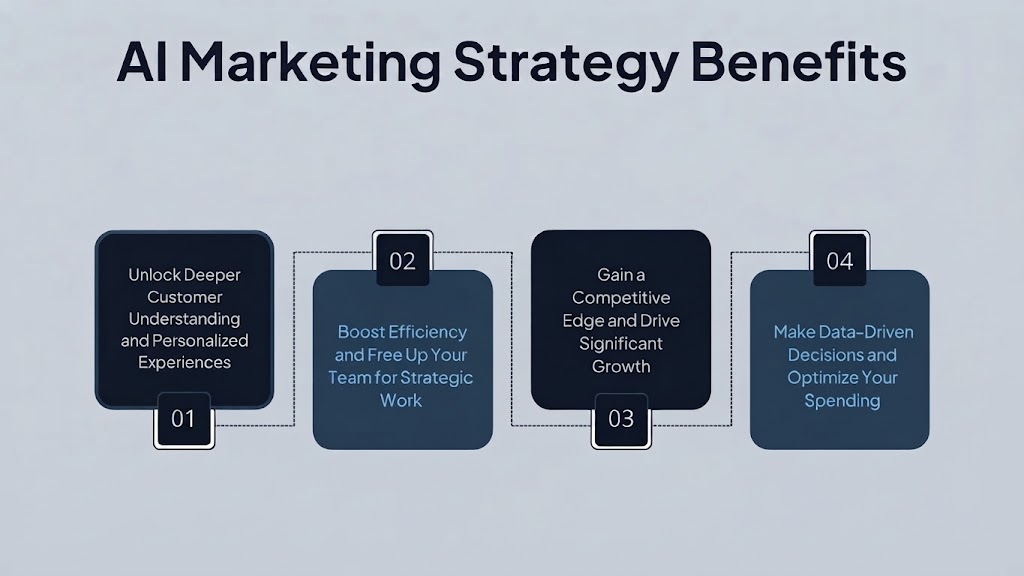
A well-planned AI content strategy can provide several benefits.
Faster Research: AI can help organize information and generate ideas quickly.
Better Planning: Content calendars and topic clusters can be developed more efficiently.
Improved Productivity: Repetitive writing and editing tasks can require less time.
Content Optimization: AI can identify possible improvements in structure and readability.
Scalability: Businesses can manage larger content projects with fewer manual tasks.
Despite these advantages, quality control should remain part of the process.
Future of AI Content Strategy

AI will likely become an increasingly common part of digital marketing. Content teams may use AI for research, personalization, analytics, optimization, and workflow automation.
At the same time, human creativity will remain valuable. Readers want content that understands their problems and provides useful solutions rather than generic information.
The strongest strategy will therefore combine AI efficiency with human experience. Businesses that use AI responsibly can save time while maintaining a strong and recognizable content identity.
Conclusion
An AI content strategy can transform the way businesses plan, create, optimize, and manage digital content. AI can make research faster, generate ideas, support SEO, and reduce repetitive work.
However, technology alone does not guarantee successful content. Human review, originality, accuracy, expertise, and audience understanding are still essential.
The best approach is to treat AI as a productivity partner rather than a complete replacement for content professionals. When AI tools and human creativity work together, businesses can build a more efficient and valuable content strategy.
FAQs
What is an AI content strategy?
An AI content strategy is a planned process that uses artificial intelligence to support content research, planning, writing, optimization, and performance analysis.
Can AI improve content marketing?
Yes. AI can help marketers discover topics, organize research, create outlines, improve content, and analyze performance. Human review is still important for quality and accuracy.
Is AI-generated content good for SEO?
AI-assisted content can perform well when it is useful, accurate, original, and satisfies search intent. Simply generating large amounts of low-value content is not a reliable SEO strategy.
Should humans edit AI-generated content?
Yes. Human editing can improve accuracy, originality, tone, examples, and overall usefulness. It also helps ensure the content matches the brand’s goals.
How can beginners start using AI for content?
Beginners can start with simple tasks such as brainstorming topics, creating outlines, organizing research, improving headlines, and reviewing existing content. Gradually, AI can become part of a larger content workflow.