
Introduction

Marketing has changed significantly with the growth of artificial intelligence. Businesses no longer have to depend entirely on manual research, content creation, data analysis, and repetitive marketing tasks. AI Tools for Marketing can help marketers work more efficiently while making better use of their time and resources.
Artificial intelligence can assist with many marketing activities, including content writing, search engine optimization, social media management, email campaigns, customer research, advertising, and performance analysis. These tools are becoming useful for both large companies and small businesses.
However, AI works best when it supports human expertise rather than completely replacing it. Marketers still need creativity, strategy, fact-checking, and an understanding of their audience.
What Are AI Tools for Marketing?
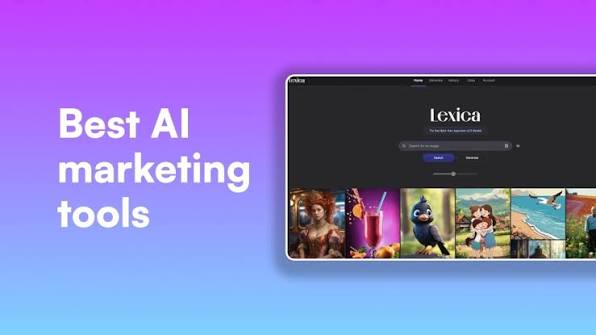
AI tools for marketing are software applications that use artificial intelligence to assist with different marketing processes. They can analyze information, generate ideas, identify patterns, automate repetitive activities, and provide recommendations.
For example, a marketer can use an AI tool to develop blog ideas, create an email draft, analyze keywords, generate social media captions, or summarize campaign data.
The exact features differ from one platform to another. Some tools focus mainly on content, while others are designed for SEO, advertising, customer service, analytics, or automation.
How AI Tools Are Used in Marketing
1. Content Creation
Creating marketing content regularly can take a lot of time. AI writing tools can help marketers brainstorm topics, prepare outlines, generate first drafts, rewrite sentences, and develop different content ideas.
These tools can be useful for blog posts, product descriptions, advertisements, social media captions, and email campaigns.
Marketers should always review AI-generated content before publishing it. Adding personal experience, original information, examples, and brand-specific insights can make the final content more useful.
2. Search Engine Optimization
SEO requires research and continuous optimization. AI-powered marketing tools can help marketers discover content topics, analyze keywords, understand search intent, and identify optimization opportunities.
AI can process large amounts of information quickly, which can make research more efficient. It can also help organize keyword ideas and suggest related topics.
Still, automated recommendations should not replace proper SEO analysis. Search intent, content quality, competition, and user experience should all be considered before making optimization decisions.
3. Social Media Marketing
Social media requires consistent publishing and audience engagement. AI tools can help marketers create content ideas, write captions, organize posts, and analyze engagement patterns.
A business can use AI to develop several caption variations or brainstorm topics for upcoming posts. This can reduce the amount of time spent on repetitive creative tasks.
Human involvement remains important because social media audiences usually respond better to authentic communication rather than content that feels completely automated.
4. Email Marketing

Email marketing is another area where AI can provide valuable assistance. AI tools can help create subject-line ideas, draft promotional emails, personalize messages, and organize customer segments.
For example, different messages can be prepared for new subscribers, returning customers, or people who have shown interest in a particular product.
Personalization can make email communication more relevant. However, marketers should make sure that customer data is handled responsibly and that automated messages are reviewed before being sent.
Benefits of AI Tools for Marketing
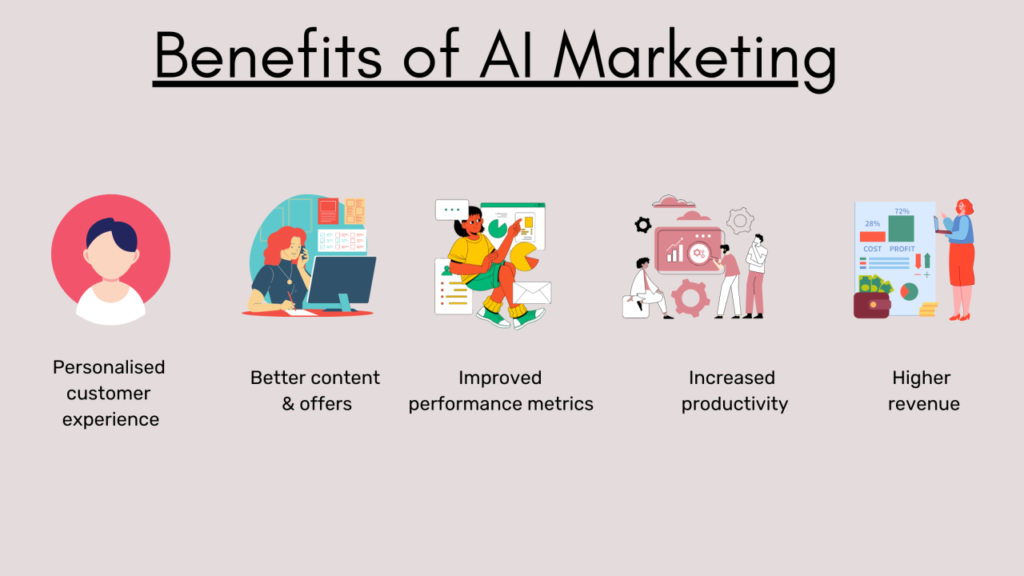
Saves Time

One of the biggest advantages of AI is its ability to speed up repetitive tasks. Marketers can use AI to generate ideas, summarize information, and prepare initial drafts instead of starting every task from scratch.
Improves Productivity

AI can help marketing teams manage multiple tasks more efficiently. A marketer may use one tool for content ideas, another for SEO research, and another for analytics.
Supports Better Data Analysis
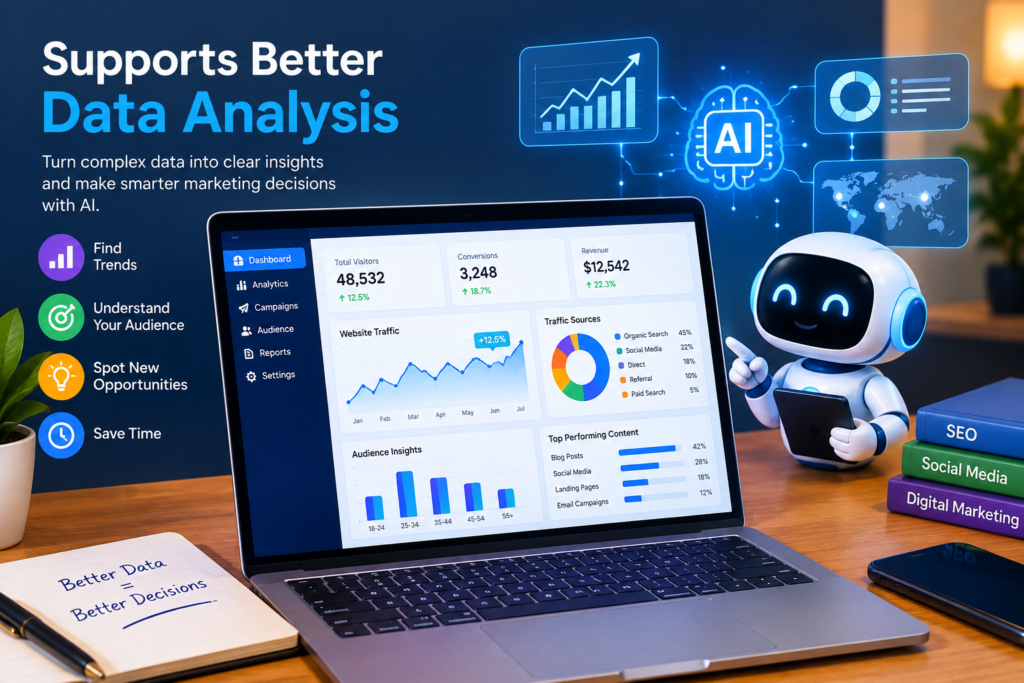
Modern marketing produces large amounts of data. AI can help identify patterns and summarize information that might take much longer to analyze manually.
Helps Small Businesses

Small businesses often have limited marketing teams. AI tools can provide additional assistance with content, customer communication, research, and campaign planning without requiring a large workforce.
Supports Personalization
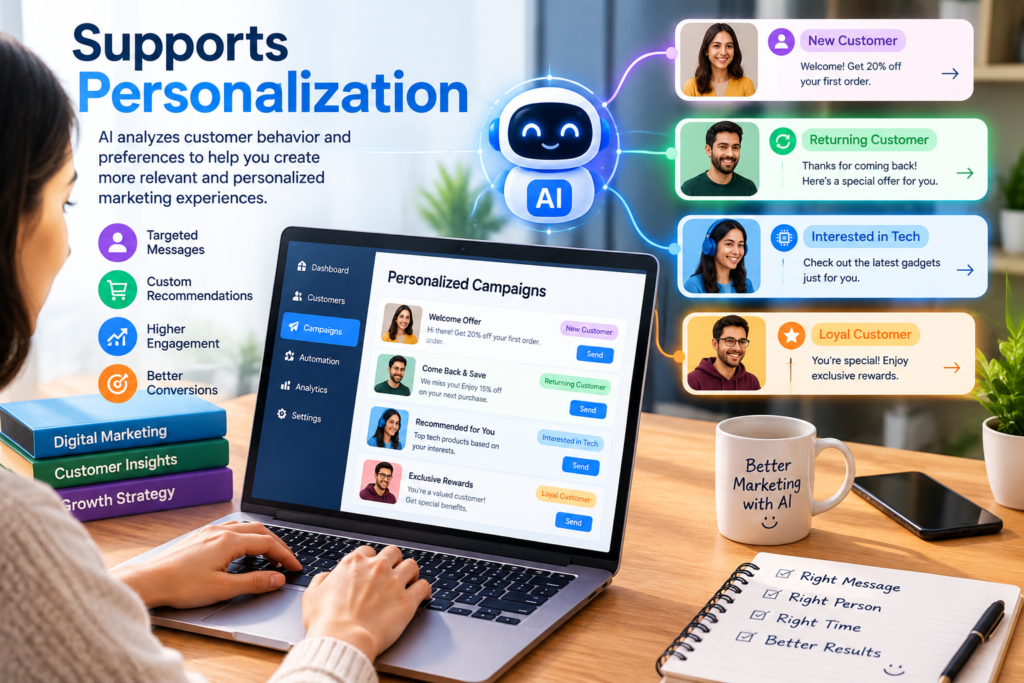
AI can analyze customer behavior and available data to help marketers create more relevant messages and experiences.
Popular Categories of AI Marketing Tools
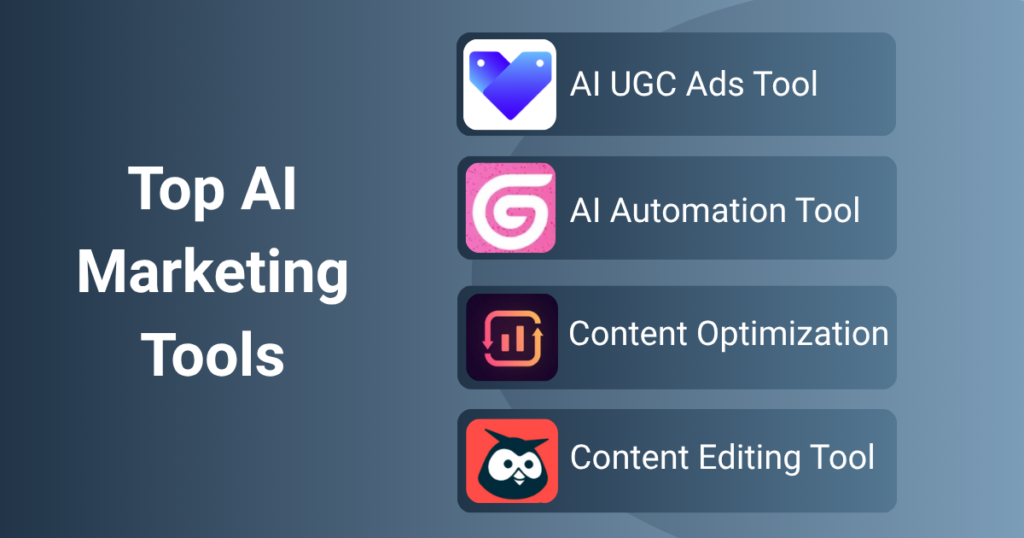
There is no single AI tool that is perfect for every marketing task. Different categories serve different purposes.
AI Writing Tools: Help create drafts, headlines, descriptions, and content ideas.
AI SEO Tools: Assist with keyword research, content optimization, topic analysis, and SEO planning.
AI Social Media Tools: Help generate posts, captions, content ideas, and performance insights.
AI Email Marketing Tools: Support email writing, personalization, segmentation, and campaign automation.
AI Analytics Tools: Help marketers understand campaign results and identify important trends.
AI Advertising Tools: Can assist with ad copy, audience analysis, campaign optimization, and creative testing.
How to Choose the Right AI Marketing Tool
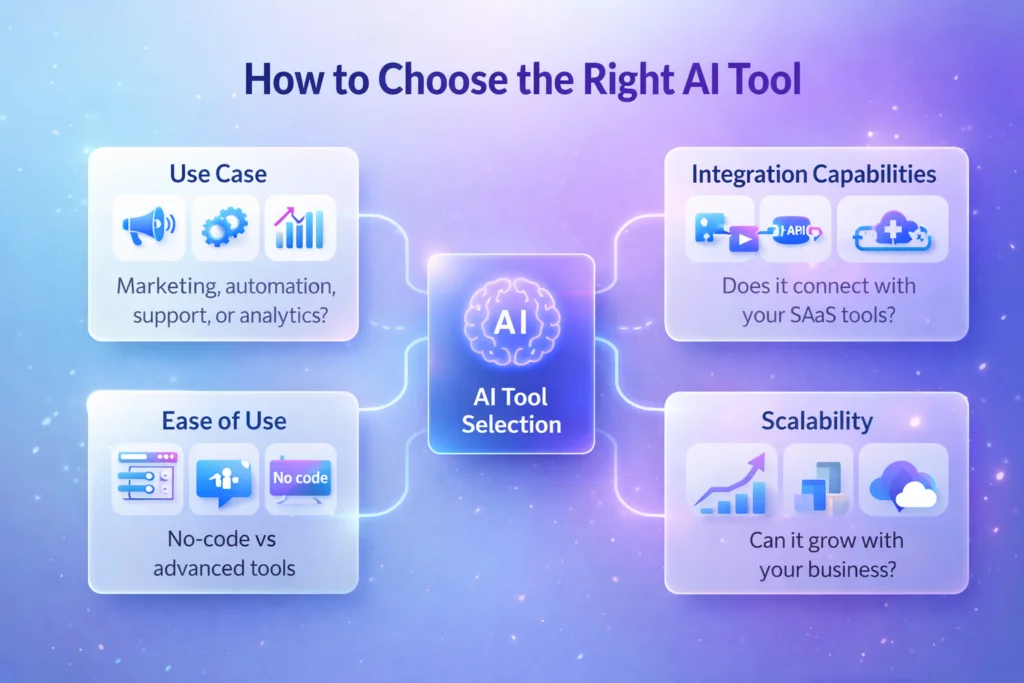
Choosing an AI tool should start with identifying a specific marketing problem. Instead of buying several platforms immediately, determine which task is taking the most time or producing the biggest challenge.
Consider the following factors:
- Features and capabilities
- Ease of use
- Pricing
- Integration with existing platforms
- Data privacy
- Accuracy
- Automation options
- Customer support
- Scalability
A free trial can be useful for testing whether a platform actually fits your workflow.
Limitations of AI Marketing Tools
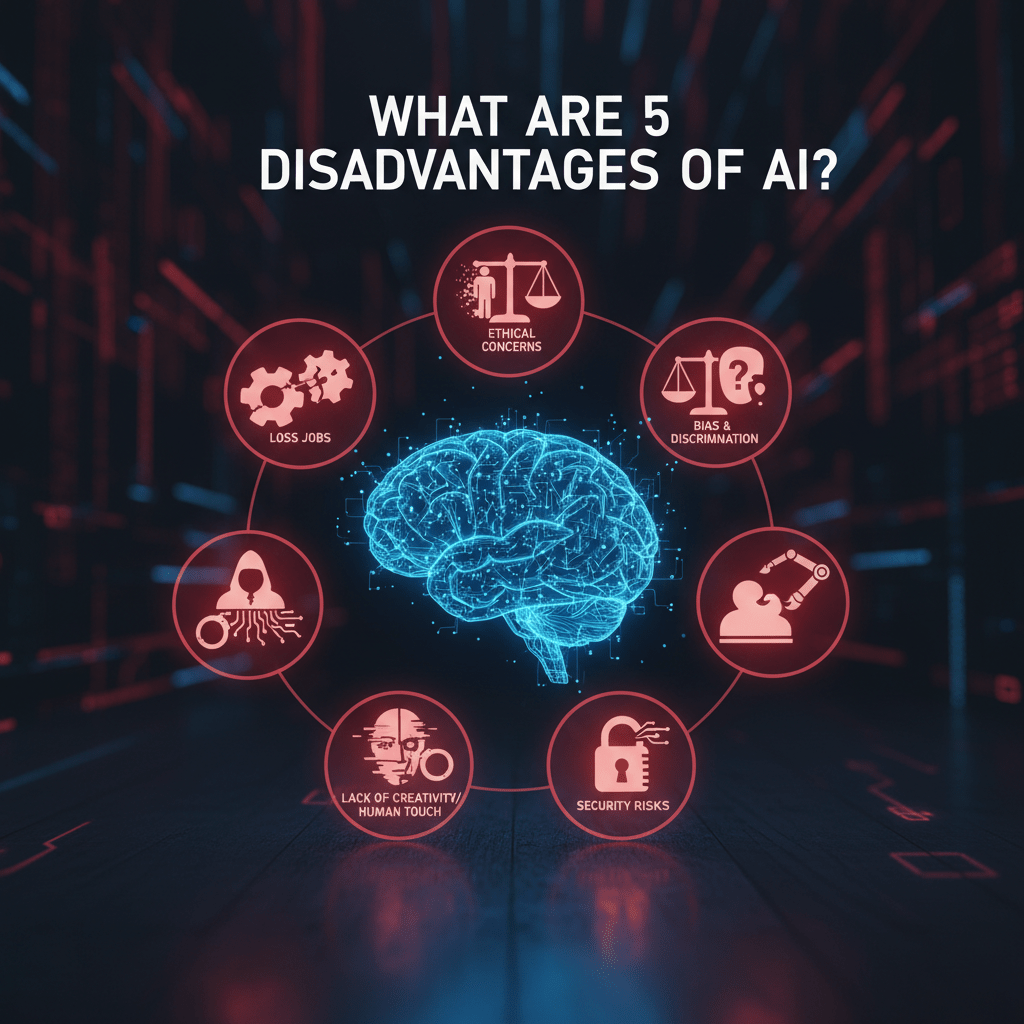
Although AI offers many advantages, it also has limitations. AI-generated information can sometimes be inaccurate, incomplete, or outdated. Content generated without editing may also sound repetitive or generic.
Another concern is overdependence. If marketers allow AI to make every decision, campaigns may lose originality and human perspective.
Businesses should therefore treat AI as an assistant. Human review, creative thinking, research, and strategic planning should remain part of the process.
Best Practices for Using AI in Marketing
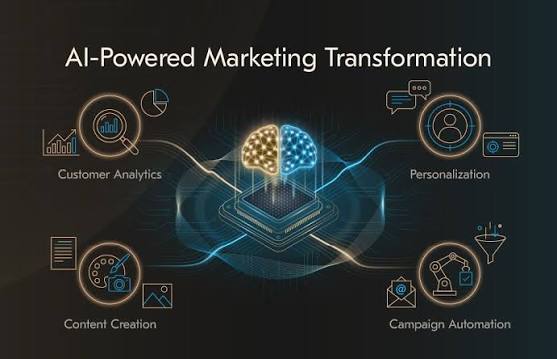
To get better results, marketers should provide clear instructions and relevant context when using AI tools. They should also review generated content, verify important facts, and adjust the output to match their brand voice.
It is also useful to combine AI with real customer feedback. Data and automation can provide insights, but direct knowledge of customer problems can help marketers create more meaningful campaigns.
Businesses should also avoid entering confidential or sensitive information into AI platforms unless they understand the platform’s privacy practices.
Future of AI Tools for Marketing
Artificial intelligence is likely to become an even larger part of digital marketing. Future tools may provide more advanced personalization, faster data analysis, automated campaign management, and improved customer experiences.
As AI technology develops, marketers may spend less time performing repetitive tasks and more time working on strategy, creativity, relationships, and business growth.
The most successful approach will likely be a combination of artificial intelligence and human expertise.
Conclusion
AI Tools for Marketing can help businesses improve productivity and manage many digital marketing tasks more efficiently. From content creation and SEO to social media, email campaigns, advertising, and analytics, AI can provide valuable support across the marketing process.
However, AI should not be viewed as a complete replacement for marketers. Human creativity, judgment, research, and audience understanding remain essential.
Businesses that use AI responsibly and combine it with strong marketing strategies can save time, improve workflows, and create more effective digital campaigns.
FAQs
1. What are AI Tools for Marketing?
AI Tools for Marketing are software platforms that use artificial intelligence to assist with tasks such as content creation, SEO, social media, email marketing, advertising, and data analysis.
2. Can AI tools help with digital marketing?
Yes. AI can support many digital marketing activities, including content planning, keyword research, social media management, email marketing, advertising, and analytics.
3. Are AI marketing tools useful for small businesses?
Yes. Small businesses can use AI to reduce repetitive work and receive assistance with marketing tasks without needing a large marketing team.
4. Can AI replace marketing professionals?
AI can automate certain tasks, but it cannot completely replace human creativity, strategy, judgment, and customer understanding.
5. Are AI-generated marketing articles unique?
AI can generate original wording, but marketers should review, fact-check, edit, and add their own insights to make content genuinely useful and distinctive.
6. How should a business choose an AI marketing tool?
A business should first identify its marketing needs and then compare tools based on features, price, ease of use, integrations, privacy, accuracy, and scalability.