
Artificial intelligence is no longer limited to chatbot or automations. It is now entering the field of biology and healthcare in powerful ways. One of the latest developments is a major investment aimed at building AI models of human cells.
This innovation focuses on understanding how human cells function by using advanced computer systems. Instead of relying only on traditional lab experiments, scientists can now study cells through digital simulations powered by AI.
In this article, you will learn what AI models of human cells are, how they work, and why this development is important for the future of medicine.
What Are AI Models of Human Cells?
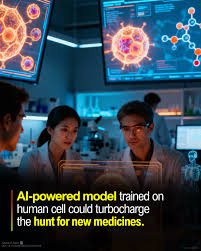
AI models of human cells are digital systems that simulate how cells behave inside the human body. These models are created using large amounts of biological data combined with machine learning techniques.
Instead of observing cells only under a microscope, researchers can use AI to:
- Study cell structure and function
- Understand how cells react to different conditions
- Predict how diseases develop
This approach allows scientists to analyze complex biological systems in a more efficient and scalable way.
How AI Understands Human Cells
Artificial intelligence works by processing and learning from data. In the case of human cells, it uses detailed biological information to build accurate models.
Data Collection
Scientists gather data from lab experiments, medical studies, and genetic research.
Machine Learning Analysis
AI systems study patterns within this data to understand how cells behave.
Simulation Process
Once trained, the AI can simulate how cells respond to different situations such as infections or treatments.
Predictive Modeling
The system can predict future behavior of cells, helping researchers plan better medical solutions.
Why This Technology Matters
Understanding human cells is essential for improving healthcare. Every disease begins at the cellular level, so studying cells closely can lead to better treatments.

Faster Research
AI speeds up the research process by reducing the need for repeated physical experiments.
Better Disease Understanding
Researchers can identify how diseases start and spread at the cellular level.
Improved Treatment Planning
Doctors can use insights from AI models to choose more effective treatments.
Role of Biohub’s Investment
The $500 million investment is aimed at accelerating this technology. It will support the development of advanced AI tools that can accurately model human cells.
This funding will help:
- Build large-scale biological datasets
- Develop smarter AI systems
- Support scientific collaboration
- Improve research infrastructure
Such investments are essential to push innovation forward in both AI and healthcare.
Benefits of AI in Medical Science
AI-based cell modeling offers several advantages over traditional methods.
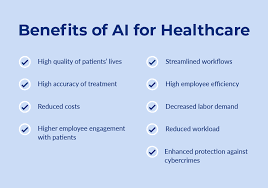
Early Disease Detection
AI can identify warning signs before symptoms appear.
Drug Testing Efficiency
Medicines can be tested digitally before human trials.
Personalized Healthcare
Treatment can be tailored base on individual patients data.
Cost Reduction
Digital experiments reduce laboratory costs and time.
Challenges of AI in Cell Modeling
Despite its benefits, this technology also faces challenges.
Complex Biology
Human cells are extremely detailed and difficult to model perfectly.
Data Dependency
AI systems require accurate and high-quality data to function properly.
Ethical Concerns
Handling biological and patient data raises privacy issues.
Technical Limitations
AI models are still evolving and may not fully replicate real-life biology.
Future of AI in Healthcare
The use of AI in cell modeling is just the beginning. In the future, this technology could transform the entire healthcare system.
Possible developments include:
- Real-time disease prediction
- AI-powered diagnosis tools
- Faster vaccine development
- Advanced medical research
This shift shows how technology and biology are becoming closely connected.
Final Thoughts
AI models of human cells represent a major advancement in both technology and healthcare. By combining data science with biology, researchers can gain deeper insights into how the human body works.
While there are still challenges to overcome, the potential impact is huge. This innovation could lead to faster discoveries, better treatments, and a more efficient healthcare system in the future.
FAQs
1. What are AI models of human cells?
They are digital systems that simulate how human cells behave using artificial intelligence.
2. Why is this technology important?
It helps researchers understand diseases and develop treatments more efficiently.
3. How does AI help in medical research?
AI analyzes large datasets, identifies patterns, and predicts outcomes.
4. Can AI replace traditional research methods?
No, but it can support and improve the speed and accuracy of research.