
Cloud platforms now play a central role in helping businesses improve flexibility, scalability, and operational efficiency across industries. Organizations of every size now rely on cloud platforms to store data, run applications, and support remote workforces. While cloud adoption continues to grow, cyber threats are becoming more sophisticated every year. As a result, security professionals must constantly update their knowledge and strategies to defend digital assets.
Cloud Security Exchange 2026 represents the growing focus on educating security leaders, cloud architects, IT professionals, and business decision-makers about the latest security challenges and innovations. The event highlights practical solutions, emerging technologies, and expert insights that help organizations strengthen their cloud environments.
This article explores why cloud security is more important than ever, the latest industry trends, and the best practices every organization should follow in 2026.
Why Cloud Security Matters More Than Ever
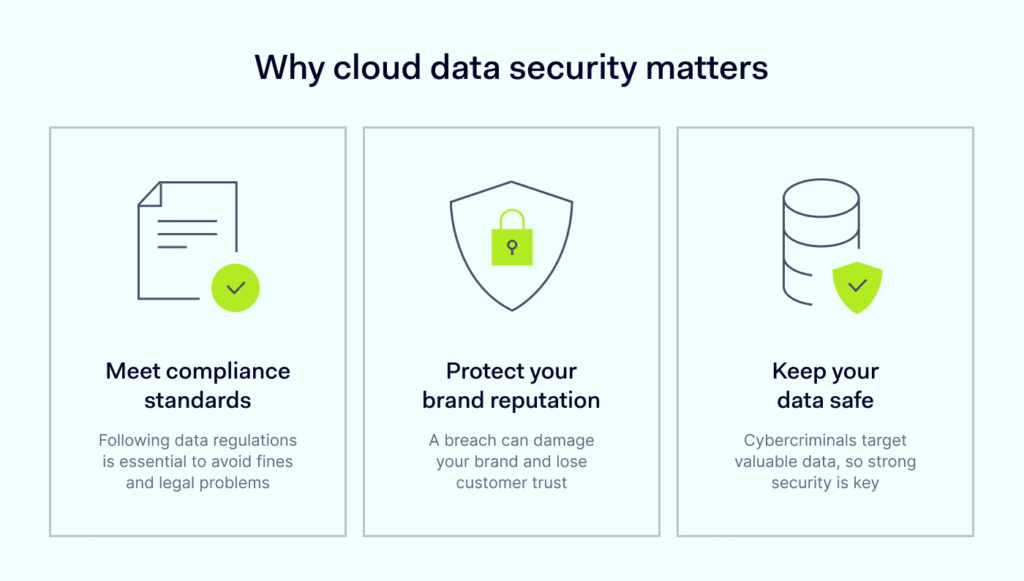
Businesses are rapidly migrating workloads to public, private, and hybrid cloud environments. Although cloud adoption offers greater flexibility and supports business growth, it also introduces new security challenges that organizations must address proactively.
Common cloud security risks include:
- Data breaches
- Identity theft
- Misconfigured cloud services
- Insider threats
- Ransomware attacks
- Supply chain vulnerabilities
- API exploitation
Even a small configuration mistake can expose sensitive customer information or business-critical systems. Strong security planning is no longer optional—it is an essential business requirement.
What Is Cloud Security Exchange 2026?
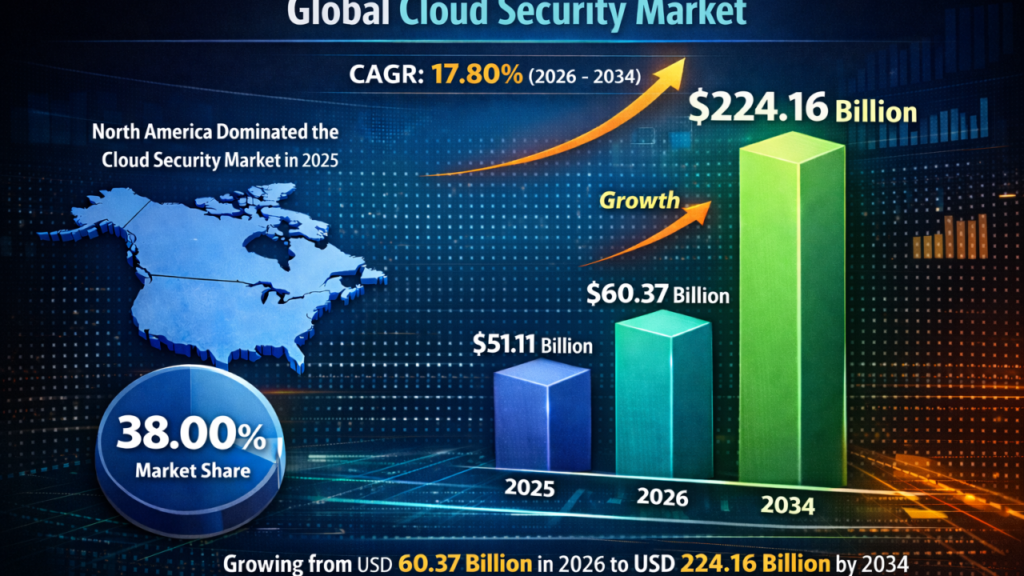
Cloud Security Exchange 2026 is centered on sharing knowledge about securing cloud infrastructure against modern cyber threats. Industry experts discuss practical security frameworks, threat intelligence, cloud governance, identity management, compliance strategies, and emerging technologies.
Instead of focusing only on theory, the discussions encourage organizations to implement security practices that can be applied in real-world cloud environments.
The goal is to help businesses build resilient cloud architectures while preparing for future cybersecurity challenges.
Top Cloud Security Trends in 2026
1. Artificial Intelligence in Cyber Defense

Artificial intelligence is becoming a powerful tool for identifying suspicious behavior and responding to threats faster than traditional methods.
AI can:
- Detect unusual login activity
- Identify malware patterns
- Analyze billions of security events
- Automate incident response
- Improve threat intelligence
Organizations are increasingly combining AI with human expertise to improve security operations.
2. Zero Trust Security
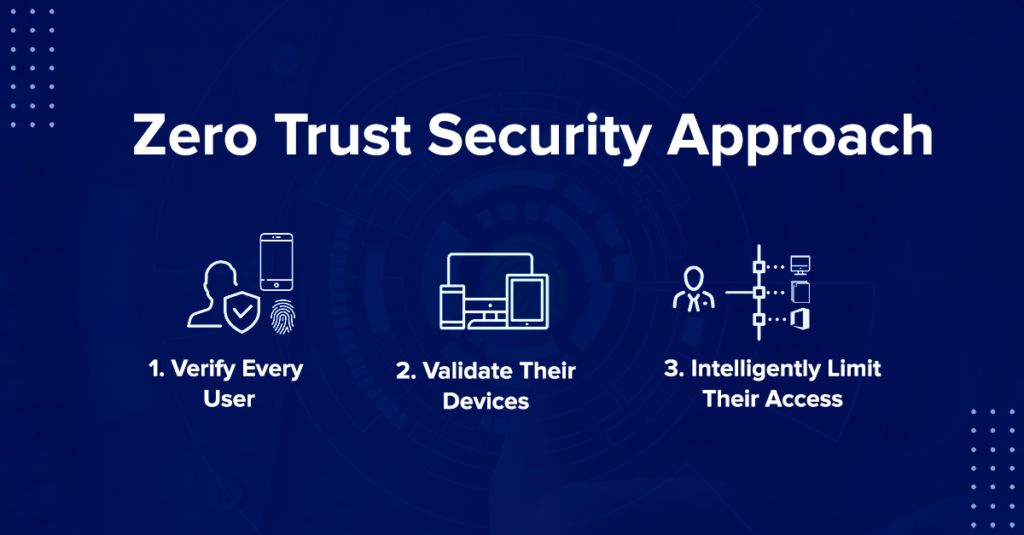
Zero Trust continues to gain popularity because traditional perimeter security is no longer enough.
Never trust. Always verify.
Instead of assuming trust, modern cloud security requires continuous verification of identities, devices, and applications whenever access to protected resources is requested.
Key components include:
- Multi-factor authentication
- Identity verification
- Device validation
- Least privilege access
- Continuous monitoring
3. Identity and Access Management
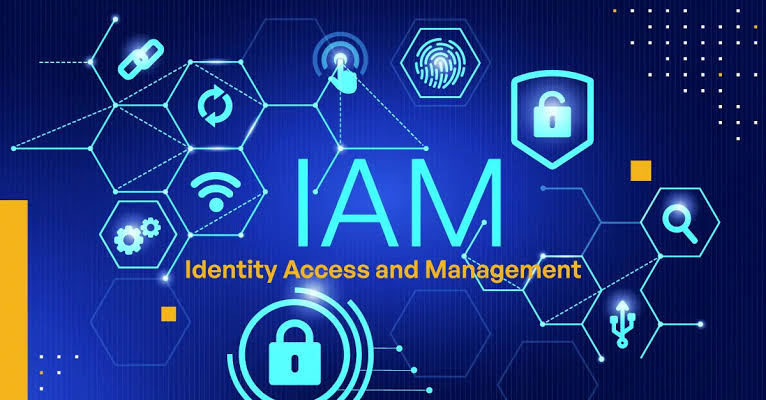
Identity has become the new security perimeter.
Strong identity management helps organizations ensure that only authorized individuals can access sensitive cloud resources.
Best practices include:
- Role-based access control
- Privileged access management
- Single Sign-On (SSO)
- Multi-factor authentication
- Regular permission reviews
4. Cloud Compliance and Governance
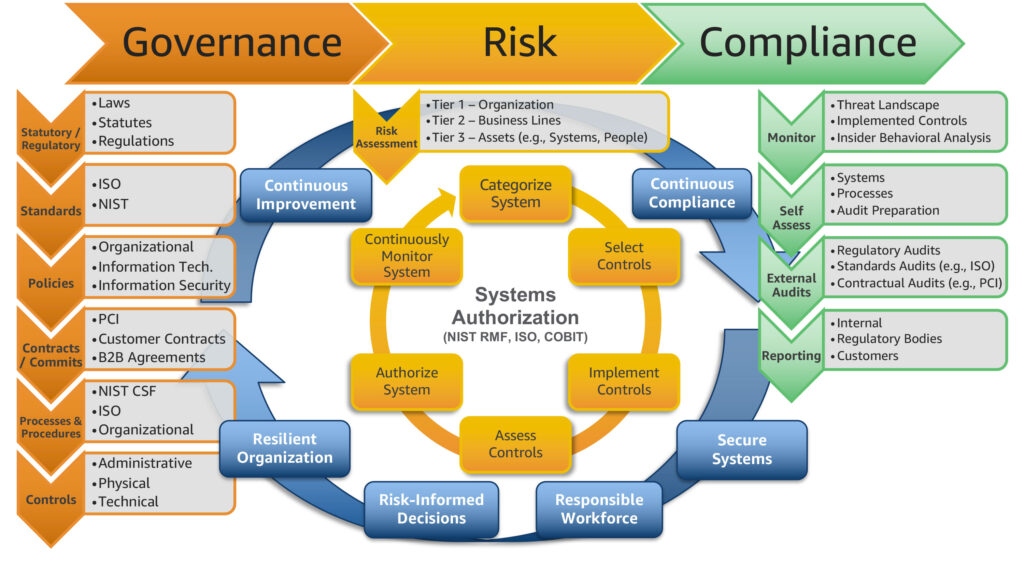
Regulatory compliance remains a major priority for organizations operating across multiple industries.
Effective governance includes:
- Security policies
- Risk assessments
- Data classification
- Encryption standards
- Continuous compliance monitoring
- Audit readiness
A well-governed cloud environment reduces legal, financial, and operational risks.
5. Multi-Cloud Security
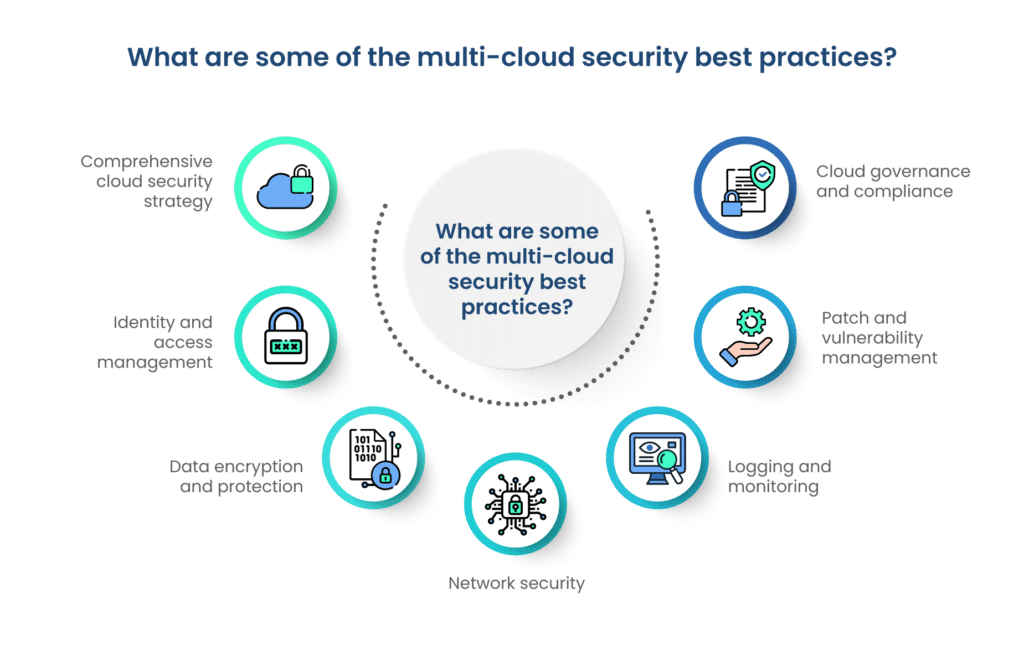
Many organizations now use services from multiple cloud providers instead of relying on a single platform.
While this approach improves flexibility, it also increases security complexity.
Businesses should adopt centralized monitoring, unified security policies, and consistent identity management across all cloud platforms.
Common Cloud Security Challenges
Despite technological improvements, organizations still face several ongoing challenges.
Misconfigured Resources
Incorrect storage permissions remain one of the leading causes of cloud data exposure.
Insider Threats
Employees and contractors with excessive privileges can accidentally or intentionally expose sensitive information.
API Security
Modern applications rely heavily on APIs. Poorly secured APIs create opportunities for attackers to access confidential data.
Shadow IT
Employees sometimes use unauthorized cloud services without approval, creating security blind spots.
Rapid Cloud Adoption
Fast migrations often leave security controls behind, increasing organizational risk.
Best Practices for Cloud Security in 2026
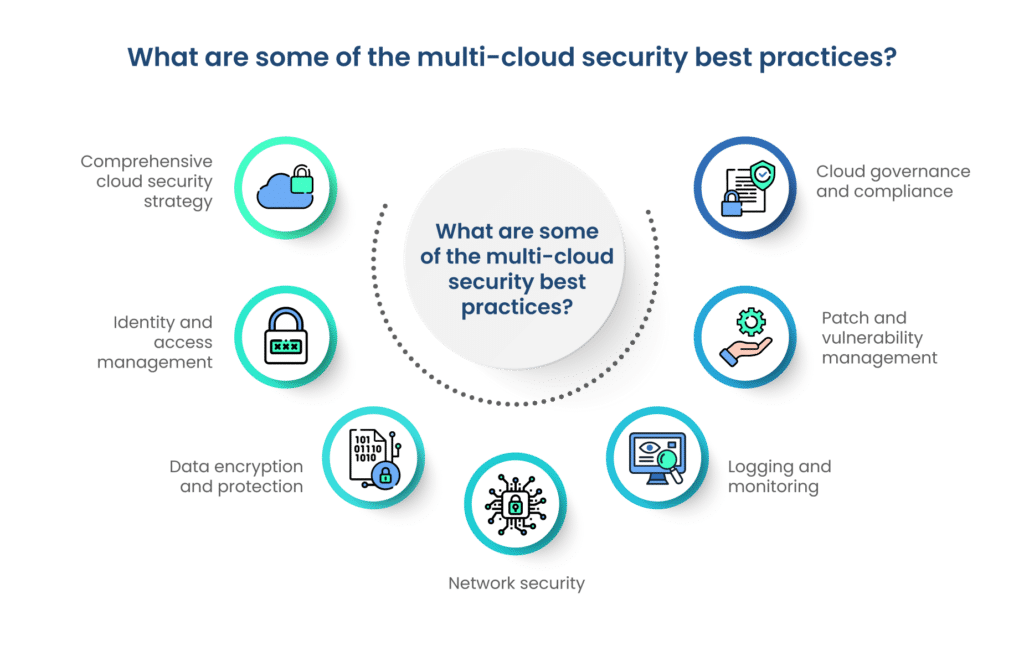
Organizations should focus on proactive security rather than reacting after incidents occur.
Recommended best practices include:
- Enable Multi-Factor Authentication for all users.
- Perform regular vulnerability assessments.
- Monitor cloud environments continuously.
- Keep software and cloud services updated.
- Implement the principle of least privilege.
- Create incident response plans.
- Back up critical business data.
- Train employees on cybersecurity awareness.
- Conduct periodic security audits.
These practices significantly improve resilience against modern cyber threats.
The Future of Cloud Security
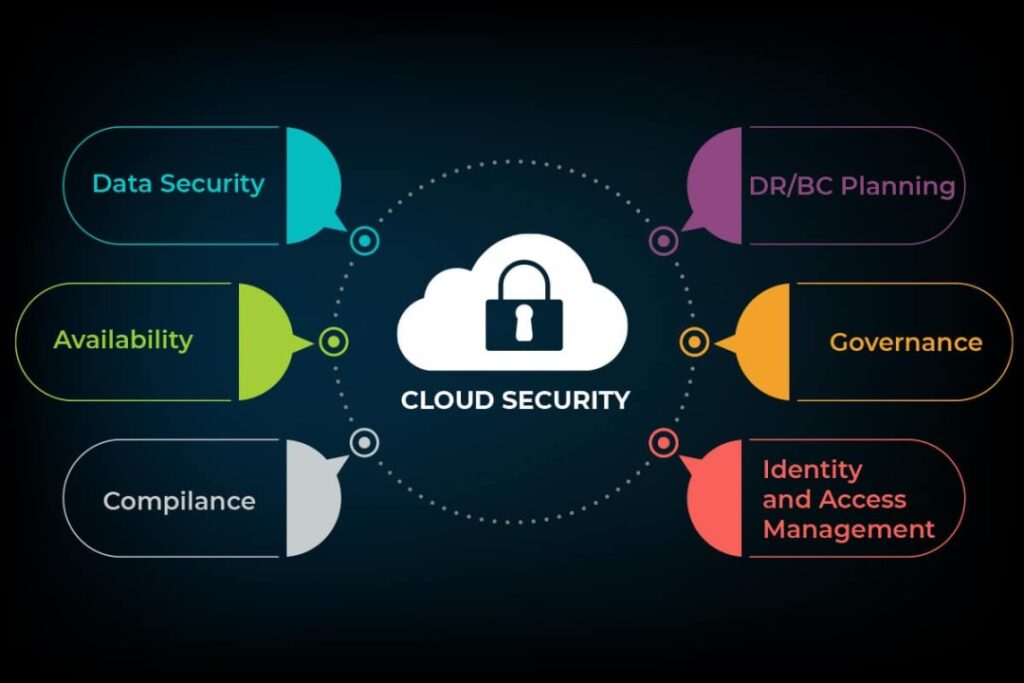
Cloud security is evolving alongside new technologies such as artificial intelligence, automation, edge computing, and containerized applications.
Future security strategies will increasingly focus on:
- Predictive threat detection
- Automated security operations
- AI-assisted incident response
- Secure software development
- Continuous risk assessment
- Advanced identity protection
Organizations that invest in modern security frameworks today will be better prepared for tomorrow’s evolving cyber landscape.
Final Thoughts
Cloud Security Exchange 2026 reflects the growing importance of collaboration, education, and innovation in cybersecurity. As businesses continue expanding their cloud infrastructure, protecting digital assets requires more than traditional security tools. It demands continuous learning, proactive planning, and modern security practices.
Whether an organization is beginning its cloud journey or managing complex multi-cloud environments, adopting Zero Trust principles, strengthening identity management, leveraging AI-powered security, and maintaining strong governance can significantly reduce cyber risks.
Cloud security is not a one-time project—it is an ongoing process of improvement. Organizations that embrace continuous security monitoring, employee awareness, and evolving best practices will be better positioned to defend against emerging threats while confidently supporting business growth.
Frequently Asked Questions (FAQs)
1. What is Cloud Security Exchange 2026?
Cloud Security Exchange 2026 is a professional learning initiative focused on cloud cybersecurity, emerging threats, modern defense strategies, governance, and security best practices.
Q2. How can businesses strengthen cloud security in 2026?
As businesses increasingly rely on cloud platforms, protecting sensitive data, applications, and digital infrastructure from cyberattacks has become a top priority.
3. What is the Zero Trusted security models?
Zero Trust is a cybersecurity approach that requires every user, device, and application to be verified before accessing cloud resources, regardless of their location.
4. How does AI improve cloud security?
AI helps detect unusual behavior, automate threat analysis, improve incident response, and identify potential security risks much faster than traditional methods.
5. What are the biggest cloud security challenges today?
Major challenges include misconfigured cloud services, identity-based attacks, ransomware, insecure APIs, insider threats, compliance requirements, and managing multi-cloud environments.