
WordPress powers millions of websites across the internet, making it one of the most widely used content management systems available today. Its popularity provides flexibility and ease of use, but it also attracts attention from cybercriminals looking for vulnerabilities they can exploit.
As security threats continue to evolve, website owners need to stay informed about the latest WordPress security news and emerging risks. Understanding current security developments can help prevent attacks, protect sensitive information, and maintain website performance.
This guide explores recent WordPress security trends, common threats, and practical steps website owners can take to strengthen their defenses in 2026.
Why WordPress Security Matters
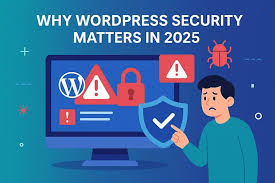
A secure website protects both business operations and user trust.
Security issues can lead to:
- unauthorized access
- website downtime
- data loss
- malware infections
- reduced search visibility
When a website experiences a security breach, recovery can require significant time and resources. Preventive security measures are often far more effective than dealing with the consequences of an attack.
WordPress Security News Today
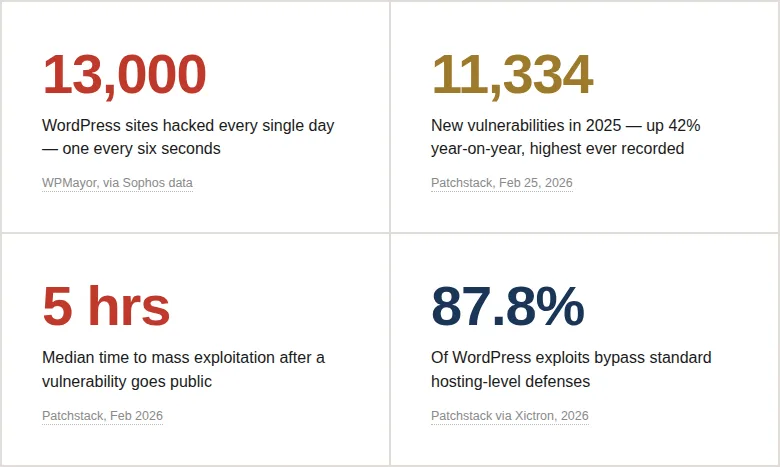
The WordPress ecosystem continue to receive regularly security improve through core update and developers patche.
Recent discussions within the WordPress community have focused on:
- plugin vulnerabilities
- outdated software risks
- brute-force login attempts
- malware distribution methods
- supply chain security concerns
As threats become more sophisticated, website owners are encouraged to monitor security announcements and apply updates promptly.
Growing Focus on Plugin Security
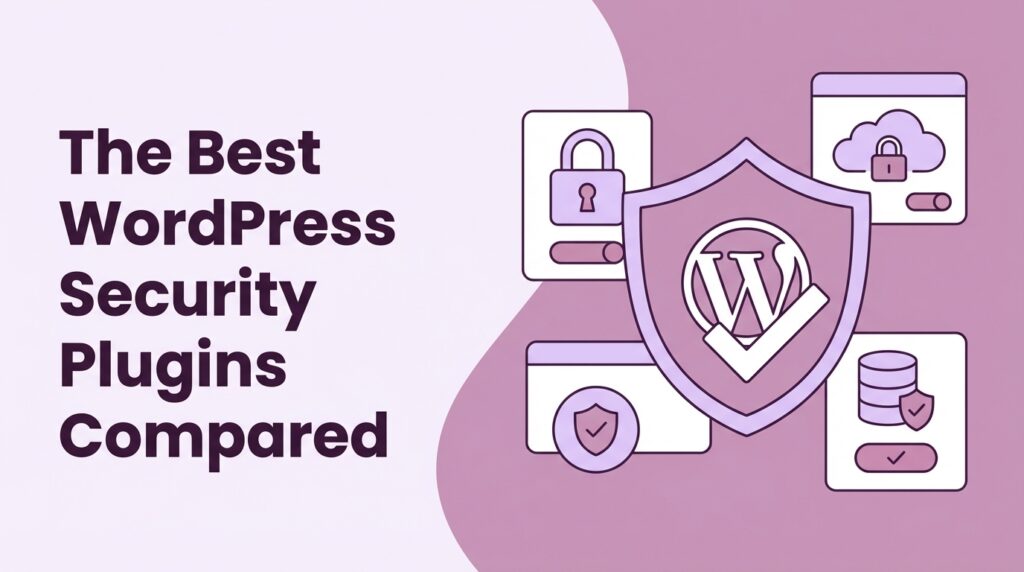
Plugins add valuable functionality, but they can also become security risks if not maintained properly.
Many reported security incidents originate from:
- abandoned plugins
- outdated extensions
- poorly coded software
- unsupported add-ons
Website owners should regularly review installed plugins and remove those that are no longer required.
Using trusted plugins from reputable developers can reduce exposure to potential vulnerabilities.
The Importance of Core Updates
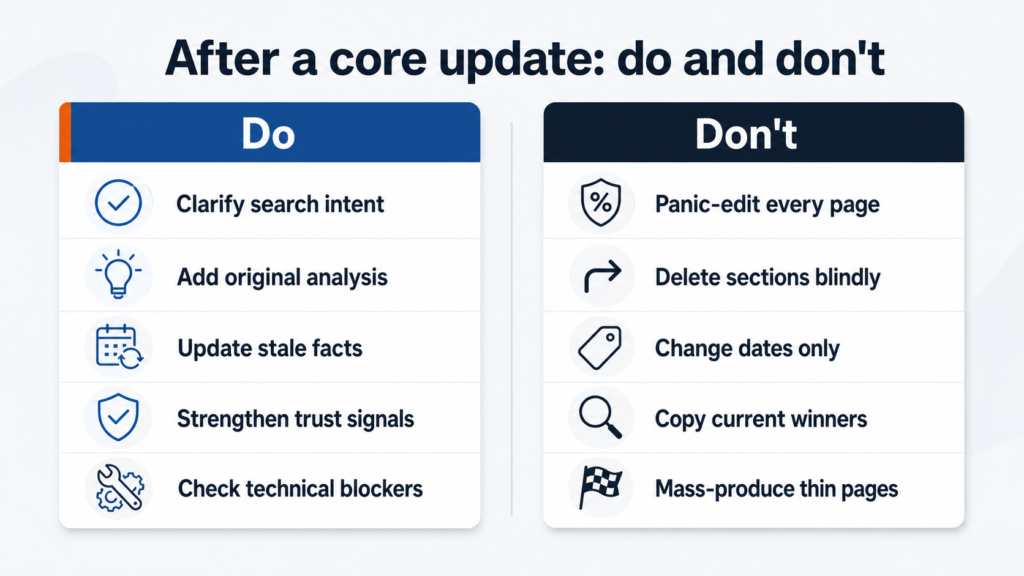
WordPress developers frequently release updates designed to improve stability, compatibility, and security.
Ignor update may leave website vulnerableing to known exploit.
Core updates often address:
- security weaknesses
- performance improvements
- compatibility issues
- bug fixes
Maintaining an updated WordPress installation is one of the simplest ways to improve website security.
Understanding Security Release Announcements
Many users search for information related to WordPress security release news because these announcements often contain important details regarding vulnerability fixes.
Security releases typically address issues discovered by:
- security researchers
- developers
- bug bounty participants
- community contributors
Reviewing release notes helps website owners understand why updates should be installed promptly.
Common Threats Affecting WordPress Websites
Although security threats vary, several attack methods remain common.
Brute Force Login Attacks
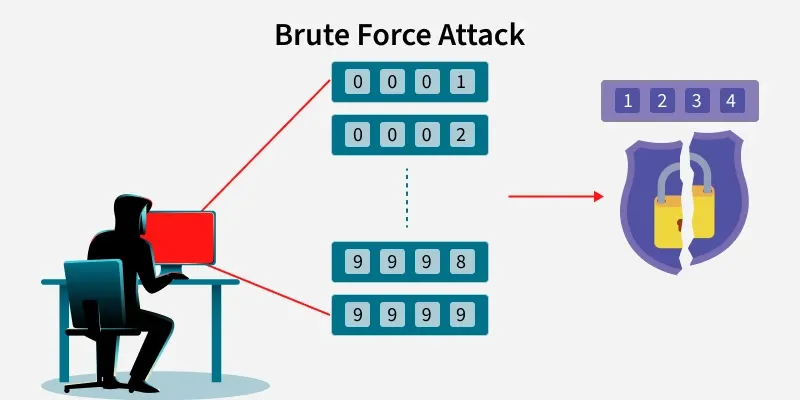
Attackers may attempt to gain access by repeatedly testing username and password combinations.
Strong passwords and account protection measures can help reduce this risk.
Malware Infections
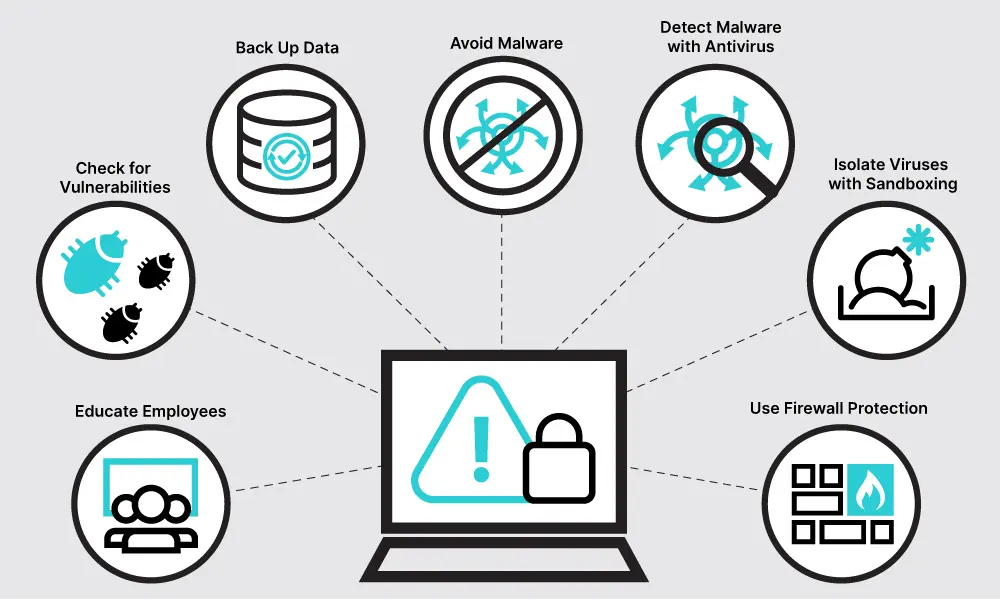
Malicious code may be injected through vulnerable plugins, themes, or compromised credentials.
Regular monitoring helps identify suspicious activity before serious damage occurs.
Cross-Site Scripting
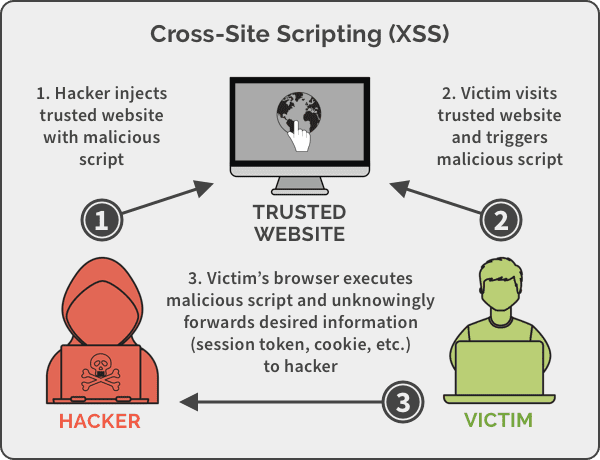
Cross-site scripting attacks attempt to inject harmful scripts into website pages.
Keeping software updated can help reduce exposure to these vulnerabilities.
Unauthorized Access Attempts
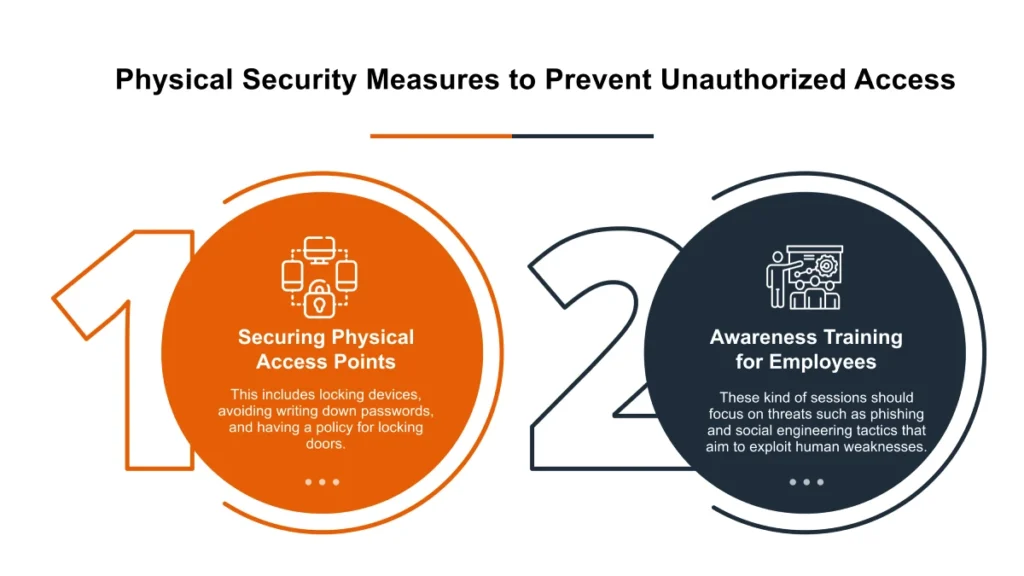
Cybercriminals continuously scan websites searching for weak entry points.
Proper user management and access controls can improve protection.
Security Trends to Watch in 2026

The cybersecurity landscape continues to change rapidly.
Several trends are receiving increased attention in 2026.
AI-Powered Threat Detection
Security solutions increasingly use artificial intelligence to identify unusual behavior and potential threats more efficiently.
Enhanced Login Protection
Website owners are adopting stronger authentication methods to reduce unauthorized access risks.
Real-Time Security Monitoring
Continuous monitoring allows administrators to identify suspicious activity quickly and respond before issues escalate.
Automated Vulnerability Scanning
Advanced scanning tools help detect security weaknesses before attackers discover them.
Practical Steps to Improve WordPress Security
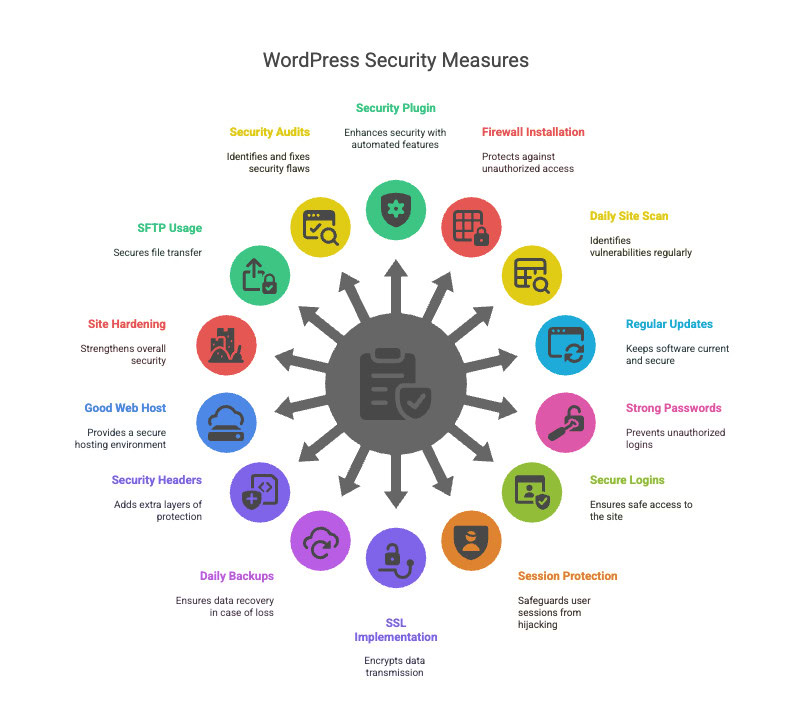
Protecting a WordPress website does not always require complex technical expertise.
Several best practices can significantly strengthen website security.
Keep Software Updated
Update:
- WordPress core
- plugins
- themes
Regular maintenance helps reduce known security risks.
Remove Unused Components
Inactive themes and plugins can createing unnecessary security exposureing.
Keeping only essential software helps simplify maintenance.
Use Strong Login Credentials
Complex passwords make unauthorized access attempts more difficult.
Avoid using predictable usernames and weak passwords.
Monitor User Accounts
Review user permissions regularly and remove accounts that no longer require access.
Perform Regular Backups
Reliable backups provide protection against unexpected incidents and simplify recovery if problems occur.
Security and SEO
Website security can influence search performance.
A compromised website may experience:
- reduced user trust
- lower engagement
- crawling issues
- visibility challenges
Maintaining strong security practices supports both website protection and long-term SEO goals.
Building a Long-Term Security Strategy
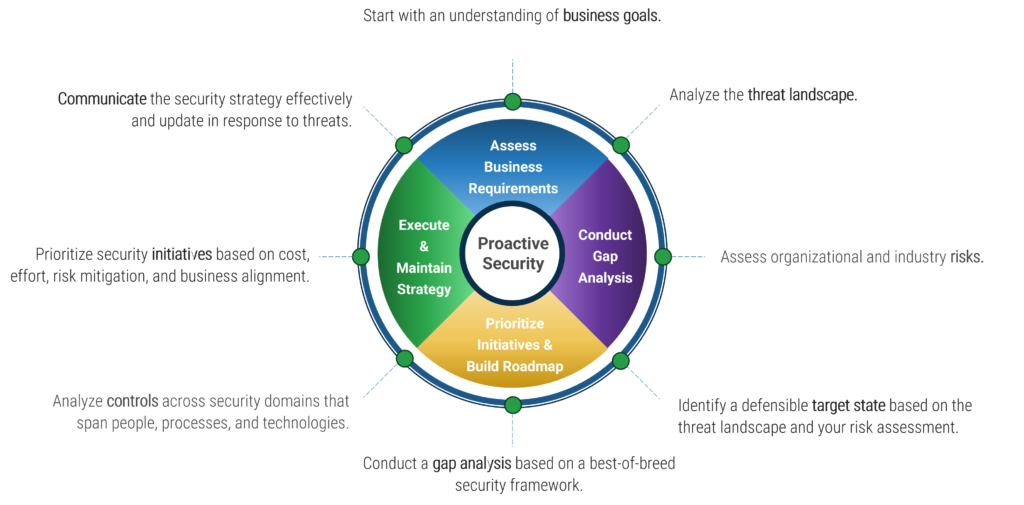
Security should being view as an ongoing process rathers than a one time task.
Successful website owners focus on:
- regular updates
- continuous monitoring
- user education
- proactive maintenance
A long-term approach can reduce risks and improve overall website reliability.
Final Thoughts
WordPress remain one of the powerful website platform available. but it’s popularity make security a critical priority.
Staying informed about WordPress security news, applying updates, monitoring vulnerabilities, and following security best practices can help website owners protect their websites against evolving threats.
The strongest defense combines awareness, regular maintenance, and proactive security management.
FAQs
Why is WordPress security important for website owners?
Strong security helps protect websites from unauthorized access, malware infections, and potential data loss.
How often should WordPress updates be installed?
Updates should be reviewed and applied as soon as practical, particularly when they contain security fixes.
Are plugins responsible for many WordPress security issues?
Outdated or poorly maintained plugins can increase security risks if they are not managed properly.
Can website security affect SEO performance?
Yes. Security problems can negatively impact user trust, website availability, and search visibility.
What is the most effective way to improve WordPress security?
Maintaining updated software, monitoring website activity, and following security best practices provide strong protection.