
AI has moved beyond theory and is now becoming part of everyday operations across the financial industry. It is already shaping how companies operate, how teams work, and how businesses manage cost.
In 2026, one of the biggest conversations in financial technology is about employment. Many fintech companies are investing heavily in automation, AI tools, predictive systems, and workflow optimization. As a result, some roles are being reduced while others are being redesigned.
That is why more people are asking an important question: Is AI becoming a key driver behind layoffs in fintech?
The short answer is yes — but the full picture is more complex.
This article explains what is happening, why layoffs are appearing, which jobs are changing, and what workers should understand as the market evolves.
Why AI Is Becoming a Major Force in Fintech
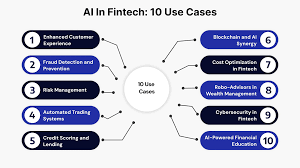
Fintech companies operate in highly competitive environments.
They usually focus on:
- speed
- lower operating costs
- faster customer service
- efficient internal processes
- scalable technology
Artificial intelligence fits naturally into that model.
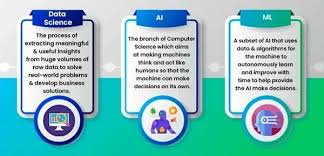
AI systems can now assist with:
- transaction monitoring
- fraud detection
- customer support
- document analysis
- onboarding workflows
- reporting tasks
- repetitive administrative operations
When a company can automate part of a process, it often needs fewer people for repetitive work.
That is one reason AI is increasingly linked with workforce restructuring.
Why Fintech Companies Are Cutting Jobs
AI alone is not always the only reason.
Several business pressures are also shaping hiring decisions.
Cost efficiency
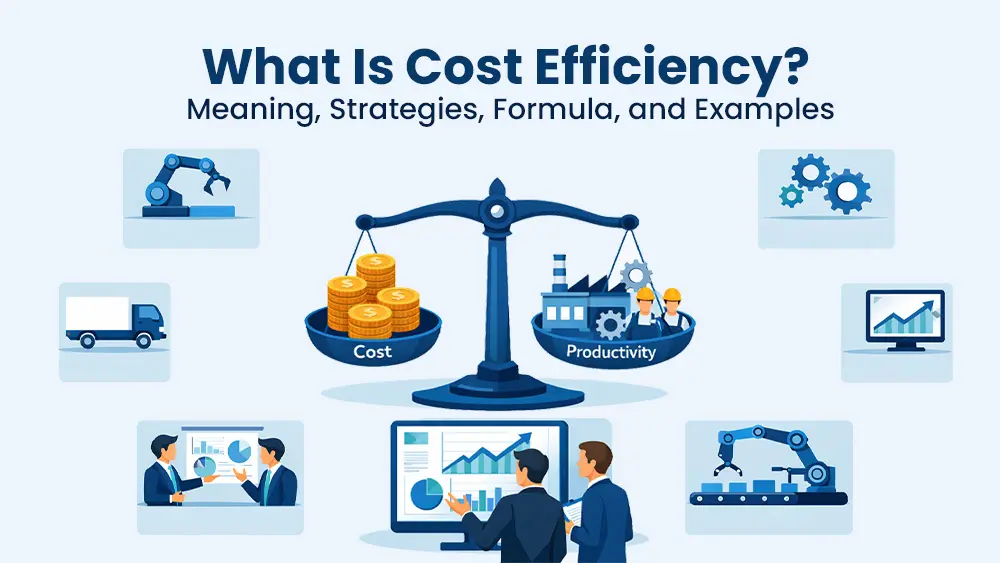
Many fintech companies are under pressure to become more profitable.
Automation can reduce operational costs.
Investor expectations
Investors often expect stronger margins and scalable business models.
Market competition
Companies need faster systems and leaner teams.
Technology maturity
AI tools are becoming practical enough for everyday business operations.
Together, these factors create an environment where companies may reduce headcount while investing more in technology.
Which Fintech Roles Are Most Affected?
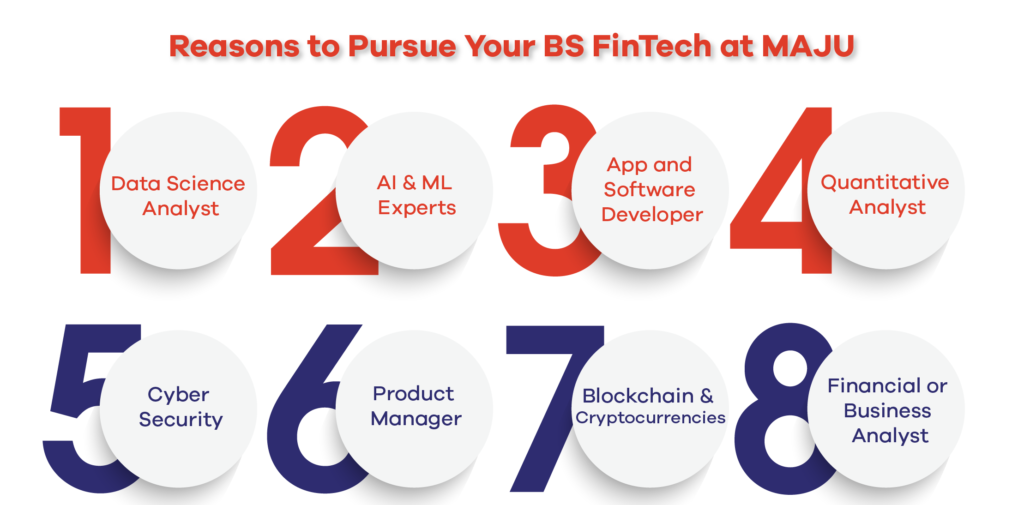
Not every job is equally exposed.
Roles involving repetitive and predictable workflows usually face higher pressure.
Customer support
AI chat systems now handle many common customer requests.
Manual data processing
Data entry and repetitive document review are increasingly automated.
Basic reporting roles
Routine summaries and structured reports can often be generated faster by software.
Entry-level operational tasks
Tasks based on repetitive workflows are easier to automate.
This does not mean every job disappears.
It means the nature of work changes.
Are All AI-Related Job Changes Negative?
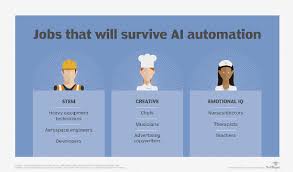
Not necessarily.
While some jobs are reduced, new types of roles are also growing.
AI operations
Companies need people who understand AI workflows.
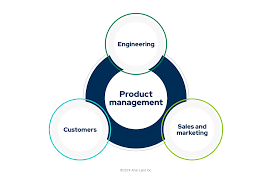
Product management
AI-enabled products require product thinking and coordination.
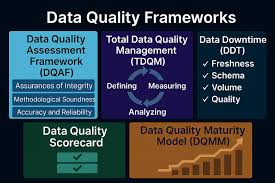
Data quality and oversight
Human review still matters.
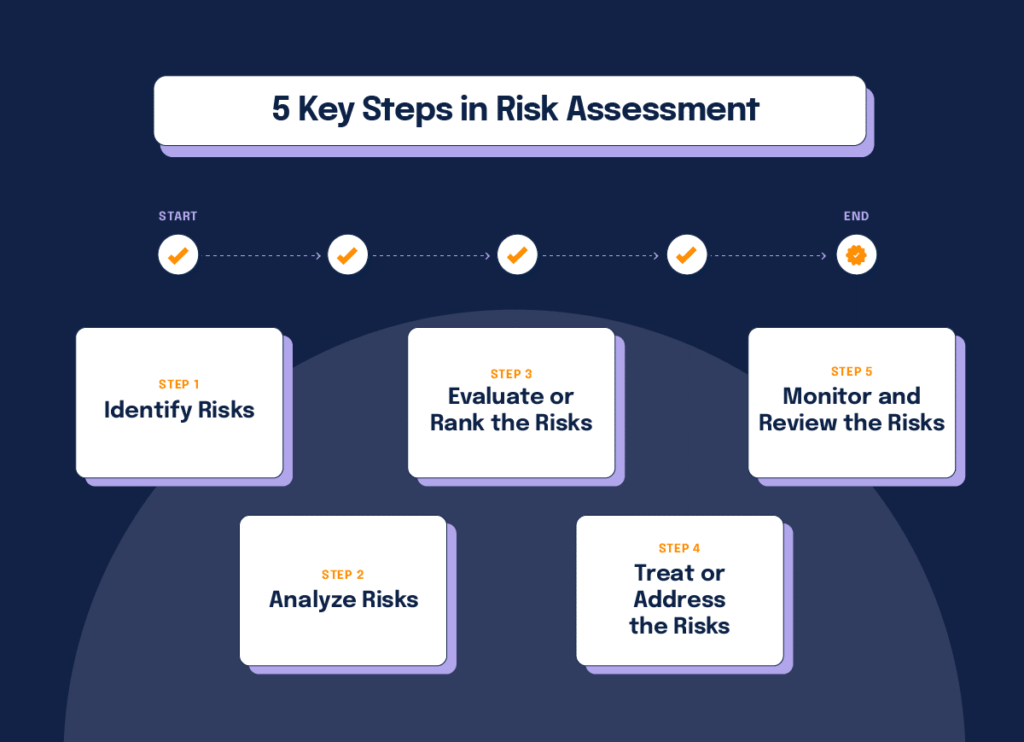
Compliance and risk interpretation
Financial regulation often requires human judgment.
The market is shifting rather than simply shrinking.
Layoffs Due to AI 2026: What Is Different This Time?
Automation has existed for years.
The difference in 2026 is speed.
Earlier automation often focused on isolated tasks.
Modern AI can support entire workflows.
For example, a company may now automate parts of:
- customer onboarding
- internal support
- document routing
- classification systems
- first-layer analysis
That creates broader organizational impact.
Instead of replacing one isolated action, AI can reduce the need for multiple small operational roles.
AI Job Loss by 2030 What Could Happen?
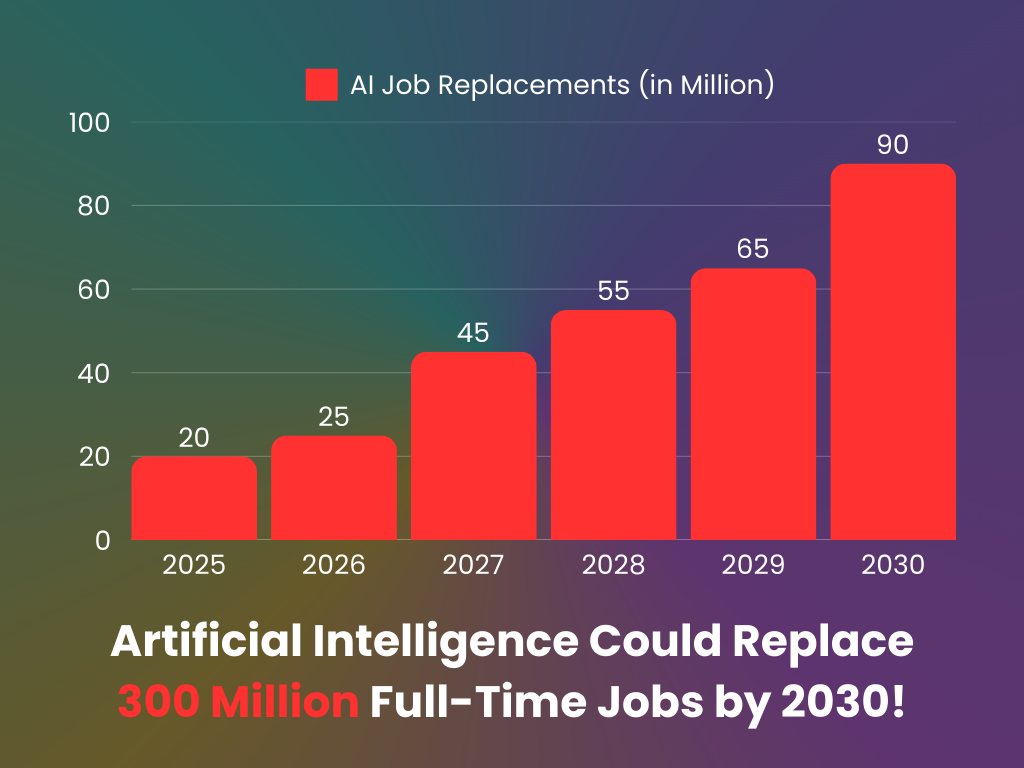
Predictions about job loss should always be viewed carefully.
No one can know exact numbers with certainty.
However, many labor market studies suggest that by 2030, roles based heavily on repetitive structured work may face greater pressure.
That does not automatically mean permanent unemployment.
More likely, many jobs will evolve.
Workers may need stronger skills in:
- problem solving
- analysis
- human communication
- technical understanding
- strategic thinking
Adaptation will become more valuable than routine execution.
Why Human Skills Still Matter
AI can process patterns.
It can generate outputs.
But it still has limits.
In fintech, human judgment remains important in areas such as:
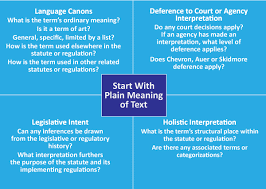
Regulatory interpretation
Financial rules often require context.
Customer trust
Sensitive financial interactions still rely on human understanding.
Strategic decision-making
Business direction cannot rely only on automation.
Exception handling
Complex unusual cases often need people.
That means human value remains important even as tools improve.
What Fintech Workers Should Do Now
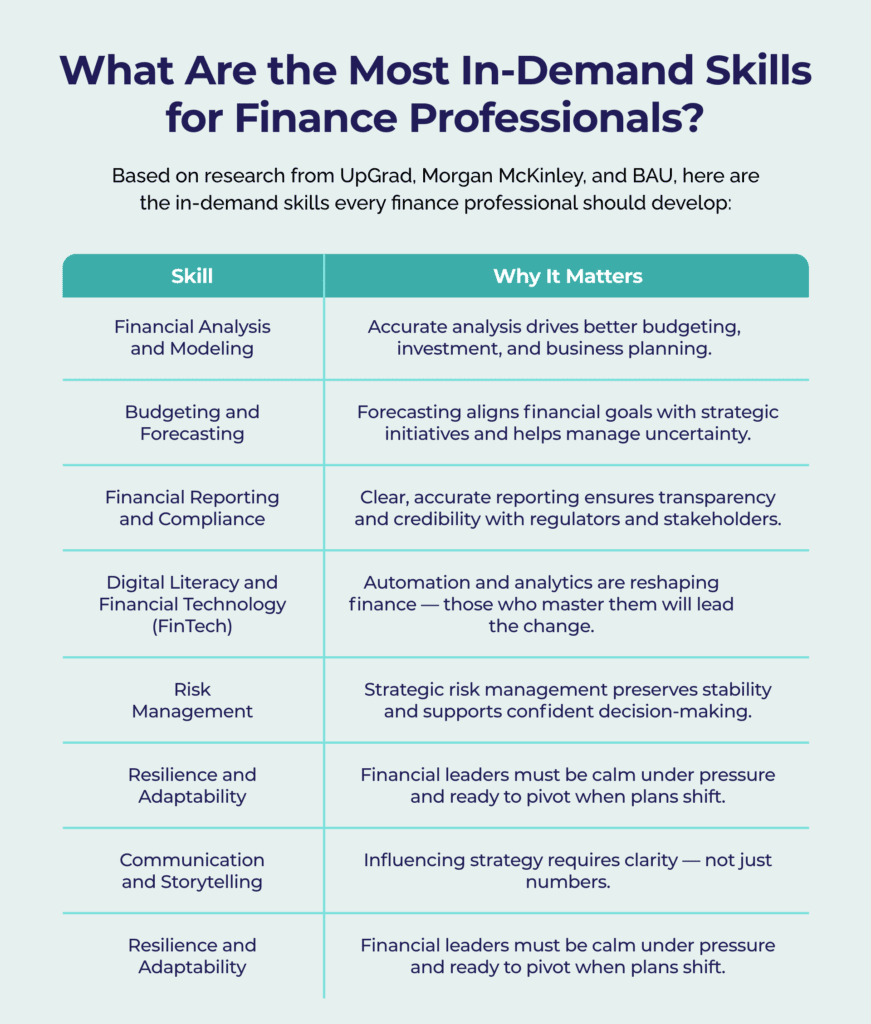
The smartest response is not panic.
It is preparation.
Learn adjacent skills
Understanding product thinking, analytics, or workflow design can increase resilience.
Understand AI tools
Knowing how modern AI systems work creates practical advantage.
Focus on decision-making roles
Work that involves judgment usually remains more valuable.
Build adaptability
Workers who learn continuously often navigate change better.
What Businesses Should Keep in Mind

Companies also need balance.
Cutting jobs without planning can create long-term problems.
Institutional knowledge matters
People understand context that systems may not.
Customer experience matters
Poor automation can damage trust.
Human oversight matters
Especially in finance, review and accountability remain critical.
The strongest businesses often combine automation with thoughtful human structure.
Is AI the Only Reason for Fintech Layoffs?
No.
Macroeconomic conditions also matter.
Layoffs can be influenced by:
- funding pressure
- interest rates
- business restructuring
- changing investor priorities
- market consolidation
AI is an important factor, but usually part of a larger business picture.
What the Next Few Years May Look Like
The most likely path is hybrid work.
Some tasks will become automated.
Some jobs will evolve.
Some new roles will emerge.
The key shift is not simply fewer jobs.
It is different kinds of jobs.
That distinction matters.
Final Thoughts
AI is becoming a real force inside fintech.
In 2026, it is helping companies automate repetitive workflows, improve efficiency, and reduce certain operational costs.
That also means some job categories are changing.
But this is not only a story about layoffs.
It is also a story about transition.
Workers who adapt, learn new skills, and understand how technology changes business will likely be better positioned for the future.
The next decade will probably reward flexibility more than routine.
FAQs
Why are fintech companies talking more about AI layoffs in 2026?
Because AI tools have become practical enough to automate parts of everyday operational workflows, which affects staffing decisions.
Which fintech jobs face the most pressure from AI?
Roles based on repetitive support, structured processing, routine documentation, and predictable workflows may be more exposed.
Will AI replace all fintech jobs?
No. Many roles will evolve rather than disappear completely.
What skills will become more important by 2030?
Problem solving, product thinking, analytical ability, communication, and understanding AI-assisted workflows.
Is AI the only reason behind fintech layoffs?
No. Market conditions, funding pressure, and broader business restructuring also play important roles.