
What Is Entity SEO?
Entity SEO is an approach to search engine optimization that focuses on clearly identifying people, places, organizations, products, concepts, and other distinct subjects within online content.
Traditional SEO often focuses heavily on keywords. Entity SEO goes a step further by helping search engines understand what a page is actually about and how different topics, people, brands, and concepts are connected.
For example, if a website publishes an article about “Apple,” search engines need context to understand whether the page is discussing the technology company, the fruit, or another subject. Clear context helps search engines associate the correct entity with the content.
Entity optimization is therefore closely connected with semantic search, structured data, topical relevance, and knowledge graphs.
Why Is Entity SEO Important?

Search engines have become better at understanding the meaning behind searches rather than simply matching exact words.
A person may search for a topic using different phrases, but the underlying subject can remain the same. Entity-based understanding helps search engines connect these variations.
For example, searches such as:
- “Google’s search engine”
- “Google search”
- “Google company”
- “search engine by Google”
may relate to the same organization or connected entities depending on the context.
This means websites should create content that communicates topics clearly rather than repeatedly inserting the same keyword.
Entity SEO helps search engines better understand important entities and the relationships between the information presented on a website.
- The main subject of a page
- Related concepts
- People and organizations
- Products and services
- Locations
- Relationships between topics
- The overall context of a website
Entity SEO vs Traditional Keyword SEO
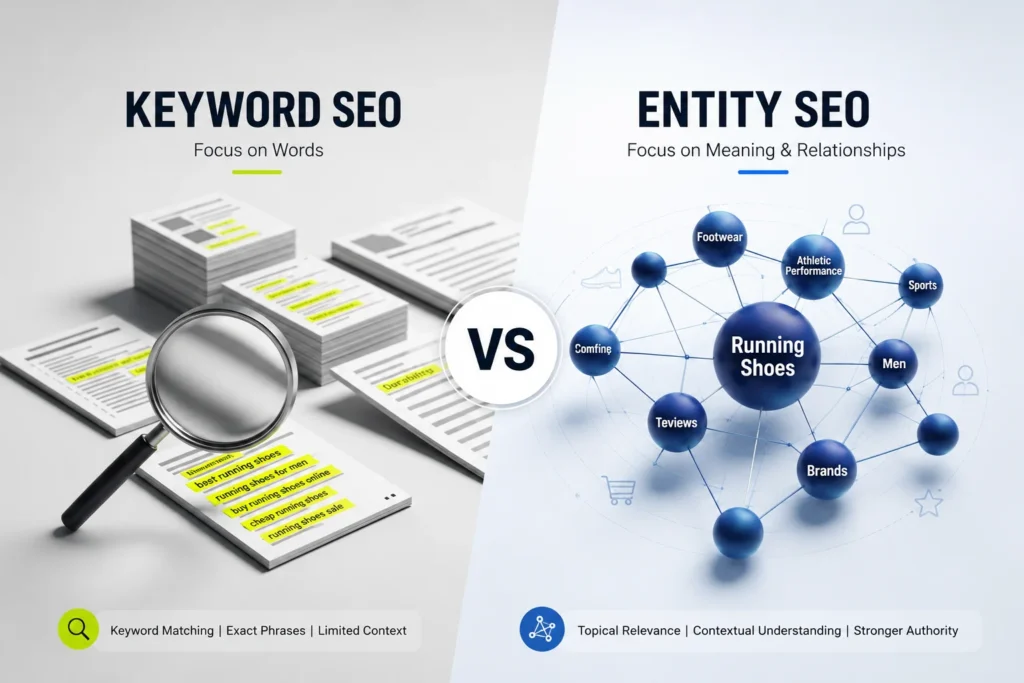
Keyword SEO focuses primarily on the words people type into search engines. Entity SEO focuses more on the meaning behind those words.
For example, a keyword-focused article might target:
“digital marketing course”
An entity-focused approach would also naturally cover related concepts such as:
- Digital marketing
- SEO
- Search engines
- Social media marketing
- Content marketing
- Email marketing
- Online advertising
- Marketing analytics
These connected ideas add useful context and help define the overall topic covered by the content.
Keywords are still an important element of SEO because they help search engines and users understand what a webpage is about.
Entity SEO works alongside keyword optimization by providing broader context and clearer connections between related topics.
Types of Entities in SEO
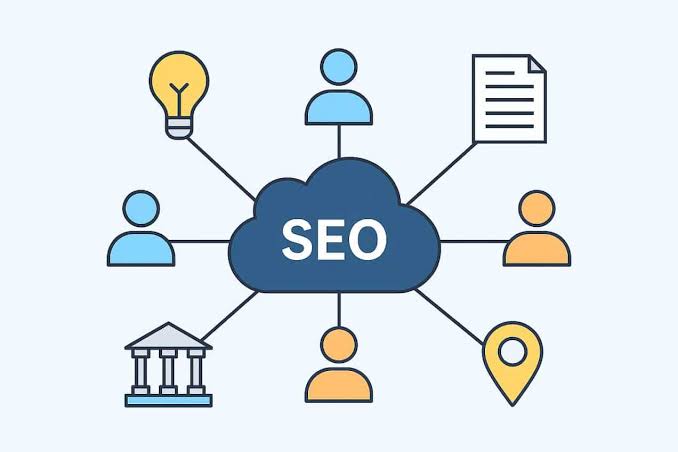
Entities can represent many different things. Some common examples include:
People
People can be recognized as entities when they have a distinct identity and enough publicly available information.
Examples include authors, business founders, researchers, athletes, and public figures.
Organizations

Companies, universities, government organizations, nonprofits, and other institutions can be treated as entities.
For example, a website discussing a software product may naturally mention the organization that develops it.
Places
Countries, cities, landmarks, neighborhoods, and other geographical locations can represent entities.
Local SEO makes particularly strong use of location-related entities because businesses are connected to specific places.
Products

Software, electronic devices, vehicles, books, and other products can be entities.
Clear product names, descriptions, specifications, and relationships can help search engines understand what the page represents.
Concepts
Some entities are not physical objects. Topics such as artificial intelligence, digital marketing, cybersecurity, and search engine optimization can also represent distinct concepts.
How Search Engines Understand Entities
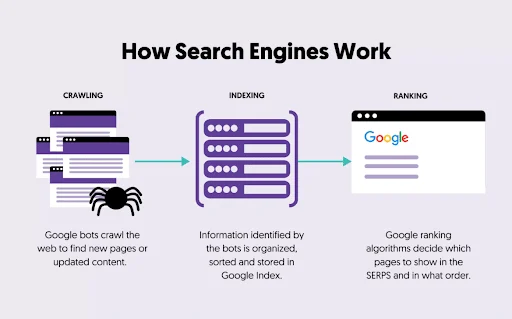
Search engines use many signals to understand the subjects discussed on webpages.
These can include:
- Content and context
- Internal links
- External references
- Structured data
- Page titles
- Headings
- Anchor text
- Website structure
- Author information
- Organization information
- Relationships between related topics
The purpose is not to repeat the same entity throughout the content without adding meaningful context.
Instead, the information surrounding an entity should provide meaningful context.
For example, if an article discusses “WordPress,” naturally relevant information might include websites, themes, plugins, content management systems, hosting, and website development.
Create Comprehensive Topic Coverage
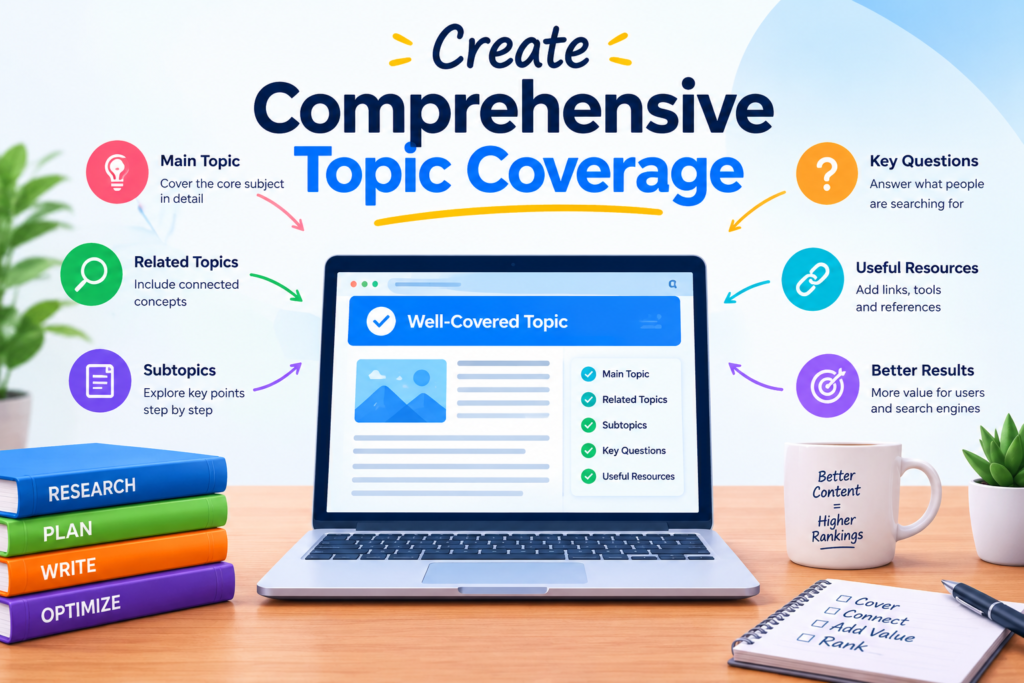
One useful Entity SEO strategy is to cover a topic from multiple relevant angles.
Suppose your main topic is SEO. Instead of creating one short page that repeatedly uses the word “SEO,” develop useful sections covering related areas such as:
- Keyword research
- Search intent
- On-page SEO
- Technical SEO
- Link building
- Local SEO
- Content optimization
- Search Console
- SEO analytics
This helps build a clearer connection between the main topic and related concepts.
However, only include topics that are genuinely relevant. Adding unrelated concepts simply to increase the number of entities can make content less useful.
Use Clear and Descriptive Headings
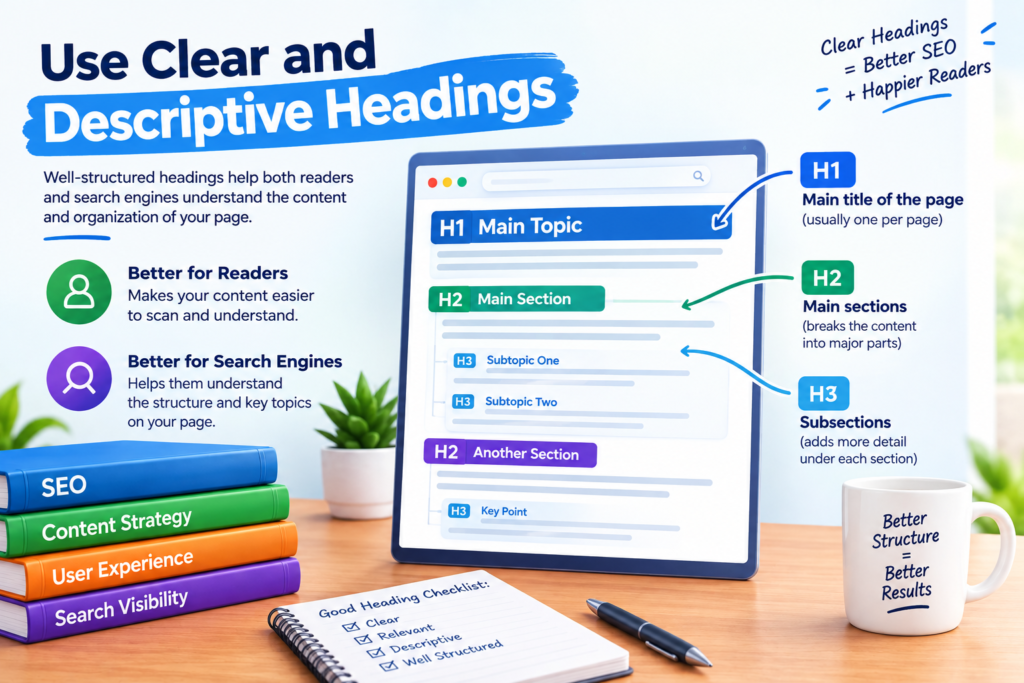
Headings make it easier for readers and search engines to understand how the information on a page is structured.
Use descriptive H2 and H3 headings that clearly communicate what each section covers.
For instance, rather than choosing a heading that is too general:
“More Information”
use something specific:
“How Internal Links Support Entity Relationships”
Clear headings provide stronger context and make long articles easier to navigate.
Build Strong Internal Links
Internal linking is another useful part of entity optimization.
Use clear and relevant anchor text to connect related pages. This allows visitors to find more useful information and helps search engines understand the connections between different pages on your website.
For instance, a keyword research article could include links to related topics such as:
- Search intent
- Keyword difficulty
- On-page SEO
- Competitor analysis
- Content strategy
A well-organized internal linking structure can create logical connections between related topics.
Use Structured Data Correctly

Structured data gives search engines additional context, making it easier for them to identify and interpret the information on a webpage.
The type of structured data used can vary depending on the page and may provide details such as:
- Organizations
- Articles
- Products
- Events
- Local businesses
- People
- Reviews
- Courses
Make sure structured data accurately matches the information shown on the webpage rather than using it solely to influence search rankings. When properly implemented, it can help search engines understand and categorize specific types of content more effectively.
Establish Your Website’s Main Topic
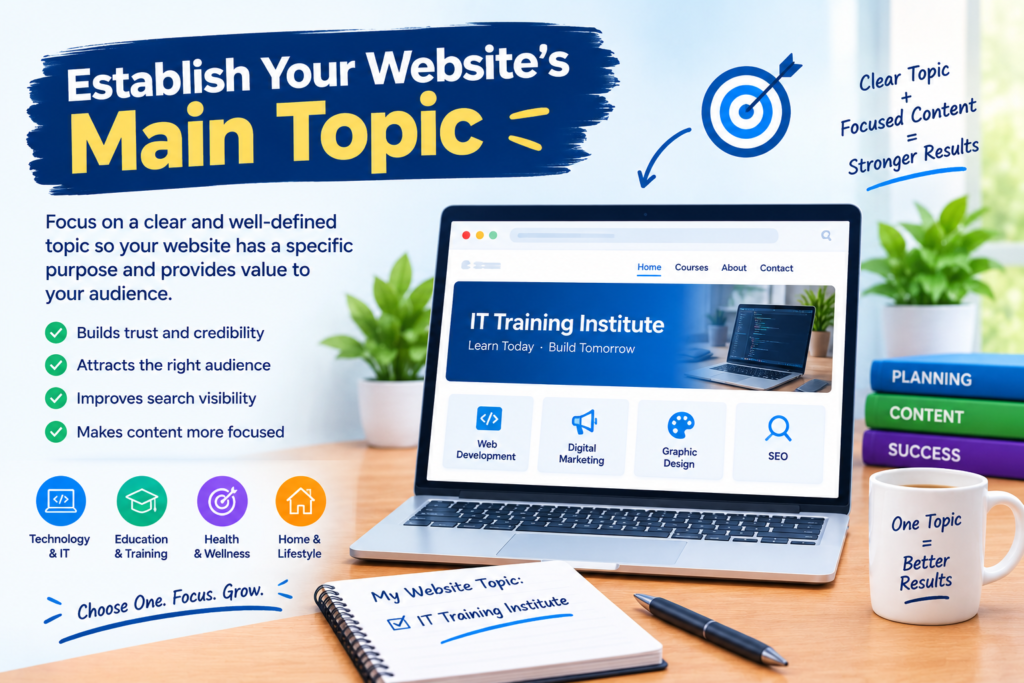
Your website should focus on a clear and well-defined topic or purpose.
For instance, an SEO-focused website can regularly create content covering connected areas such as keyword research, on-page SEO, technical SEO, link building, and local SEO.
This creates a connected topical structure.
Publishing random articles across unrelated subjects can make it more difficult to establish a clear topical identity.
A focused content strategy can therefore support stronger semantic relationships across your website.
Optimize About and Author Information

Entity SEO is not limited to individual blog posts.
Important website pages can help communicate who operates the website and what it represents.
Consider creating clear:
- About page
- Contact page
- Author profiles
- Organization information
- Service pages
- Social profile references
Keep this information accurate and consistent across your website.
Use Natural Language
Do not write content specifically for search engines by repeating entity names excessively.
Instead, write naturally for people.
For example, if you are discussing Google Search Console, you can naturally explain what the platform does, how website owners use it, and which SEO reports are available.
The entity becomes understandable through its surrounding information rather than keyword repetition.
Common Entity SEO Mistakes
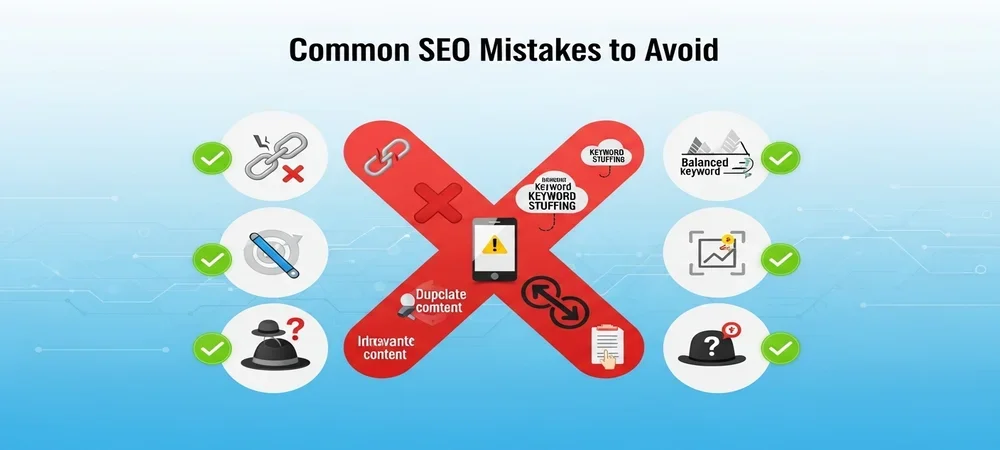
Several mistakes can reduce the quality of an entity-focused SEO strategy.
Keyword Stuffing
Repeating the same keyword or entity name unnecessarily can make content difficult to read.
Adding Unrelated Topics
Do not mention unrelated entities simply because they are popular or have search volume.
Incorrect Structured Data
Structured data should accurately describe the page. Incorrect markup can create misleading signals.
Weak Internal Linking
Pages about closely connected topics should have logical internal connections where appropriate.
Inconsistent Information
Business names, locations, authorship, and other important information should remain accurate and consistent.
How to Create an Entity SEO Strategy

A simple process can help you get started.
Step 1: Choose your main topic.
Identify the primary subject of your page.
Step 2: Identify related entities.
Find people, organizations, concepts, products, and topics that are genuinely connected to the main subject.
Step 3: Understand search intent.
Determine what users actually want to learn, compare, buy, or accomplish.
Step 4: Build useful content.
Cover important subtopics without adding unnecessary information.
Step 5: Connect related pages.
Use internal links to create logical relationships between relevant content.
Step 6: Add suitable structured data.
Use markup only when it accurately represents the page.
Step 7: Review and update.
Keep important information accurate and improve content when the topic changes.
Final Thoughts
Entity SEO focuses on helping search engines understand the meaning, context, and relationships within your content. Instead of concentrating only on individual keywords, it encourages website owners to build clear topical connections and useful information.
A strong Entity SEO strategy can include comprehensive content, descriptive headings, relevant internal links, accurate structured data, consistent business information, and natural language.
The most important principle is simple: create content that clearly explains the subject and genuinely helps the person searching for it.
FAQs
What is Entity SEO?
Entity SEO is an optimization approach that helps search engines understand distinct subjects such as people, organizations, products, places, and concepts and the relationships between them.
Is Entity SEO different from keyword SEO?
Yes. Keyword SEO focuses heavily on search terms, while Entity SEO places greater emphasis on meaning, context, and relationships between related subjects. Both approaches can work together.
Does Entity SEO replace keyword research?
No. Keyword research remains useful for understanding what people search for. Entity SEO adds another layer by helping create stronger topical context around those searches.
Does structured data improve Entity SEO?
Structured data can help search engines interpret certain types of information when it is implemented accurately and appropriately. It should not be used as a substitute for useful content.
How can beginners start Entity SEO?
Start by choosing a clear topic, researching relevant related concepts, creating comprehensive content, using descriptive headings, linking related pages, and keeping important information accurate.
Is Entity SEO important for local businesses?
Yes. Local businesses can benefit from clearly presenting information about their business, services, location, organization, and other relevant details across their website and other legitimate online profiles.