
AI SEARCH ENGINES A COMPLETE GUIDE

The way people find information online is changing rapidly. For many years, search engines mainly worked by showing users a list of webpages related to their keywords. Users would open different links, read the information, and decide which answer was most useful.
AI search engines are introducing a different approach. Instead of simply displaying links, they can understand natural-language questions, search for relevant information, summarize important points, and provide a conversational response. Some platforms can also provide citations so users can check the original sources.
AI-powered search is becoming an important part of modern online research. It can help users find information faster while giving businesses and SEO professionals a new way to think about online visibility.
WHAT ARE AI SEARCH ENGINES?

AI search engines are search platforms that use artificial intelligence to understand queries and generate useful responses. They combine search technology with language models and other AI systems to interpret the meaning behind a user’s question.
For example, instead of searching for separate keywords such as “best SEO tools,” a user can ask, “Which SEO tools are useful for a beginner, and what is each tool best for?” An AI search system can understand the complete question and organize the response around the user’s actual intent.
Traditional search engines have also used AI for years. Modern search technology can understand language, context, concepts, and relationships between words. AI-powered search builds on these capabilities by making the interaction more conversational and answer-focused.
HOW DO AI SEARCH ENGINES WORK?
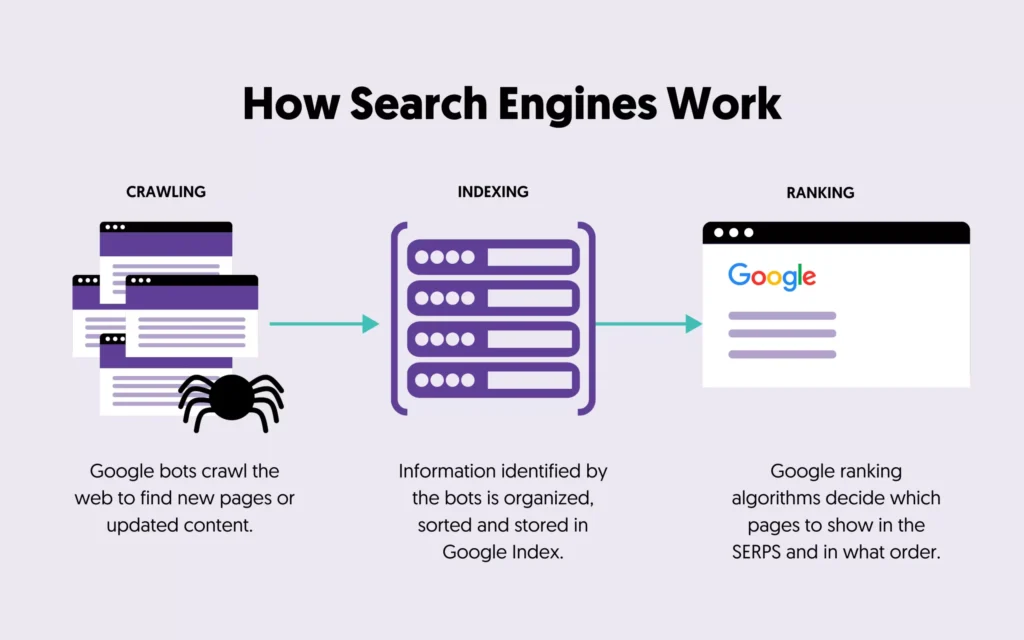
Although different platforms use different technologies, the general process involves several stages.
1. UNDERSTANDING THE USER’S QUESTION
First, the AI analyzes the query to determine what the user wants. Modern systems can understand conversational language instead of depending entirely on exact keyword matches.
This is particularly useful for longer questions, comparisons, and follow-up queries.
2. FINDING RELEVANT INFORMATION
The system searches available information sources to find material that may answer the question. Depending on the platform, information can come from web indexes, real-time web searches, databases, or other sources.
The system attempts to identify information that is closely related to the user’s search intent.
3. PROCESSING THE INFORMATION
After finding relevant material, the AI processes the information and identifies useful points. It can combine information from multiple sources instead of requiring the user to read every page individually.
This process can make research easier when a topic contains a large amount of information.
4. GENERATING THE ANSWER
The system then creates a natural-language response. Some AI search platforms also provide links or citations to the sources used for the answer.
This makes AI search more conversational than traditional search because users can continue asking questions without starting the research process again.
POPULAR AI SEARCH ENGINES

Several well-known platforms now offer AI-powered search experiences.
GOOGLE AI SEARCH
Google has integrated artificial intelligence into its search technology for many years. Its systems use AI to better understand queries and webpages, while newer AI features provide more conversational ways to explore information.
Google remains one of the most important search platforms because it combines established search technology with newer AI capabilities.
CHATGPT SEARCH

ChatGPT can search the web to provide current information and can include citations to relevant sources. This allows users to ask questions conversationally and continue with follow-up questions when they need more detail.
It can be useful for research, comparisons, explanations, and finding current information.
PERPLEXITY

Perplexity is designed around AI-powered research. It searches the web and produces conversational answers supported by source citations.
The platform can be useful for people who want a quick explanation while still having access to the sources behind the response.
MICROSOFT COPILOT
Microsoft Copilot combines conversational AI with search and productivity capabilities. It can help users research topics, summarize information, and work with questions in a conversational format.
Its integration with Microsoft’s wider ecosystem also makes it useful for different professional and productivity tasks.
BENEFITS OF AI SEARCH ENGINES
FASTER INFORMATION DISCOVERY

One of the biggest advantages of AI search is convenience. Instead of opening many webpages and manually collecting information, users can receive a structured summary.
This can save time when researching general topics, comparing options, or learning about unfamiliar subjects.
NATURAL CONVERSATIONS
AI search allows people to phrase questions naturally. Users do not always need to think about the exact keywords required to find relevant information.
They can ask a question, review the response, and then ask another question based on the previous answer.
BETTER RESEARCH EXPERIENCE

AI can organize information into headings, bullet points, comparisons, and explanations. This makes complex topics easier to understand.
Students, researchers, marketers, and business owners can use these capabilities to collect and understand information more efficiently.
SOURCE CITATIONS
Many AI search platforms provide citations or links to sources. This gives users an opportunity to verify important claims and explore the original information.
However, citations should still be checked because AI-generated responses can sometimes contain mistakes.
HELPFUL FOR BUSINESSES AND MARKETERS
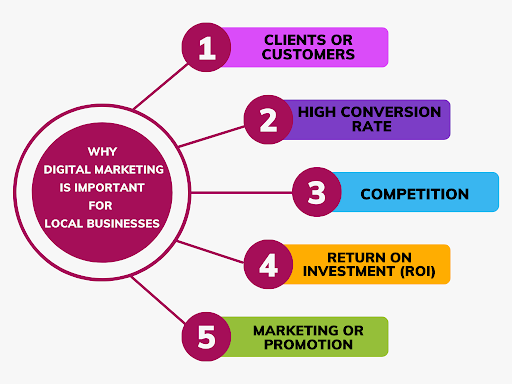
Businesses can use AI search for competitor research, content planning, customer-question research, and understanding search behavior.
For SEO professionals, AI search also creates another area of visibility to consider alongside traditional search rankings.
AI SEARCH ENGINES AND SEO

AI search is changing how websites can gain visibility. Traditional SEO generally focuses on helping webpages appear prominently in search results. AI search adds another possibility: having a website or brand mentioned as a source within an AI-generated answer.
This means content creators should focus on producing useful and trustworthy information rather than simply inserting keywords repeatedly.
Well-organized articles with clear headings, direct answers, accurate facts, and relevant supporting information can make content easier for both people and search systems to understand.
However, there is no single AI search algorithm. Different platforms can use different retrieval systems and models, so appearing in one AI search system does not automatically guarantee visibility in another.
LIMITATIONS OF AI SEARCH ENGINES
Despite their advantages, AI search engines are not perfect.
AI systems can misunderstand questions, summarize information incorrectly, or provide an answer that lacks important context. Information can also change over time, which means an older source may no longer represent the current situation.
For important topics such as medical, financial, legal, or safety-related decisions, users should verify information through authoritative sources.
Another limitation is that AI-generated answers may reduce the number of clicks to individual websites because users can receive information directly within the search interface.
THE FUTURE OF AI SEARCH

AI search is likely to become an increasingly important part of online information discovery. Search is moving beyond simple keyword matching toward systems that can understand questions, retrieve information, summarize sources, and support ongoing conversations.
For website owners, this creates both opportunities and challenges. Creating genuinely useful content can help businesses remain relevant as search technology evolves.
SEO professionals should therefore pay attention not only to traditional rankings but also to how their content is structured, how clearly it answers questions, and whether it provides reliable information that users can trust.
CONCLUSION
AI search engines are changing the way people find and understand information online. By combining artificial intelligence with search technology, these platforms can interpret natural-language questions, gather relevant information, and provide direct answers.
Google AI Search, ChatGPT Search, Perplexity, and Microsoft Copilot represent different approaches to AI-powered search. While these systems can make research faster and more convenient, users should still verify important information and review original sources.
For businesses and SEO professionals, the future of search will require more than keyword optimization. Creating accurate, original, useful, and well-structured content will remain essential for building visibility in both traditional and AI-powered search.
FAQs
1. WHAT ARE AI SEARCH ENGINES?
AI search engines use artificial intelligence to understand questions, retrieve relevant information, and generate direct answers instead of only displaying traditional search results.
2. HOW ARE AI SEARCH ENGINES DIFFERENT FROM TRADITIONAL SEARCH ENGINES?
Traditional search engines mainly provide ranked webpages, while AI search engines can analyze information and create a summarized response based on the user’s question.
3. WHAT ARE SOME POPULAR AI SEARCH ENGINES?
Popular AI-powered search options include Google AI Search, ChatGPT Search, Perplexity, and Microsoft Copilot.
4. ARE AI SEARCH ENGINE ANSWERS ALWAYS ACCURATE?
No. AI systems can make mistakes or provide incomplete information. Important claims should be checked against reliable original sources.
5. CAN AI SEARCH ENGINES AFFECT SEO?
Yes. AI search is creating new opportunities and challenges for SEO because websites may be discovered, referenced, or cited within AI-generated answers.
6. WHY ARE AI SEARCH ENGINES BECOMING POPULAR?
They can make research faster, understand conversational questions, provide summaries, and allow users to ask follow-up questions without repeating the entire search.