

Introduction

Getting a website to appear prominently in search results is one of the main goals of search engine optimization. Website owners, bloggers, and businesses want to understand which elements can influence how their pages perform in Google Search. Although Google does not publish a simple checklist that guarantees a specific ranking position, many well-established SEO practices can help search engines discover, understand, and evaluate web pages.
Understanding Google Ranking Factors helps website owners create better content and improve the overall quality of their websites. Search performance is influenced by a combination of factors rather than one single element. Content relevance, page quality, technical accessibility, user experience, and the reputation of a website can all play important roles.
SEO should not focus only on reaching the first position for a keyword. A successful website should provide useful information, answer users’ questions, load properly, and offer a positive experience across different devices. By improving these areas consistently, website owners can build stronger long-term visibility in search results.
This article explains important areas commonly associated with Google Ranking Factors and how they can support a successful SEO strategy.
High-Quality and Relevant Content

Content is one of the most important parts of a successful SEO strategy. Search engines aim to connect users with information that is helpful and relevant to their search queries.
A strong page should clearly address the topic that users are searching for. For example, someone searching for information about website security expects useful guidance rather than unrelated promotional content. Understanding search intent can help creators produce content that matches the needs of their audience.
Originality and usefulness are also important. Instead of creating pages simply to repeat information already available elsewhere, website owners should add value through clear explanations, practical examples, updated information, or unique insights.
Content should also be organized in a logical way. Headings and subheadings make articles easier to read and help both users and search engines understand the structure of a page.
Keyword Relevance and Search Intent

Keywords help describe the topic of a page, but effective SEO is not about repeating the same phrase unnecessarily. Keyword stuffing can make content difficult to read and reduce its overall quality.
A better approach is to use the main keyword naturally in important areas, such as the title, introduction, headings, and relevant parts of the article. Related terms can also help provide additional context.
For Google Ranking Factors, it is useful to understand what users actually want when searching for the topic. Some users may want a beginner-friendly explanation, while others may be looking for advanced SEO guidance.
By creating content that matches the purpose behind a search query, website owners can improve the relevance and usefulness of their pages.
Website Crawling and Indexing

Before a page can appear in search results, search engines generally need to discover and process it. Technical SEO helps make this process easier.
A properly organized website should have pages that can be accessed through internal links. Clear navigation helps users find content and can also help search engines understand relationships between pages.
An XML sitemap can provide search engines with information about important URLs on a website. Website owners should also check that important pages are not accidentally blocked from crawling or indexing.
Technical problems such as broken pages, incorrect redirects, and server errors can create obstacles. Regular website monitoring can help identify and fix these issues.
Good technical foundations do not guarantee top rankings, but they help ensure that valuable content can be discovered and understood.
Page Experience and Usability
Website usability is another important consideration for SEO. Visitors should be able to read content and navigate pages without unnecessary difficulty.
A website should work properly on mobile devices because many people use smartphones to search for information. Responsive design can help ensure that pages adapt to different screen sizes.
Page speed can also influence the overall experience. Large images, unnecessary scripts, and poorly optimized resources may slow down a website. Optimizing images and improving technical performance can make pages more convenient for visitors.
A clean layout can also improve readability. Text should be easy to understand, headings should organize information clearly, and important content should not be hidden behind unnecessary elements.
The goal should be to create a website that users can comfortably use rather than trying to optimize only for search engines.
Internal Linking and Website Structure
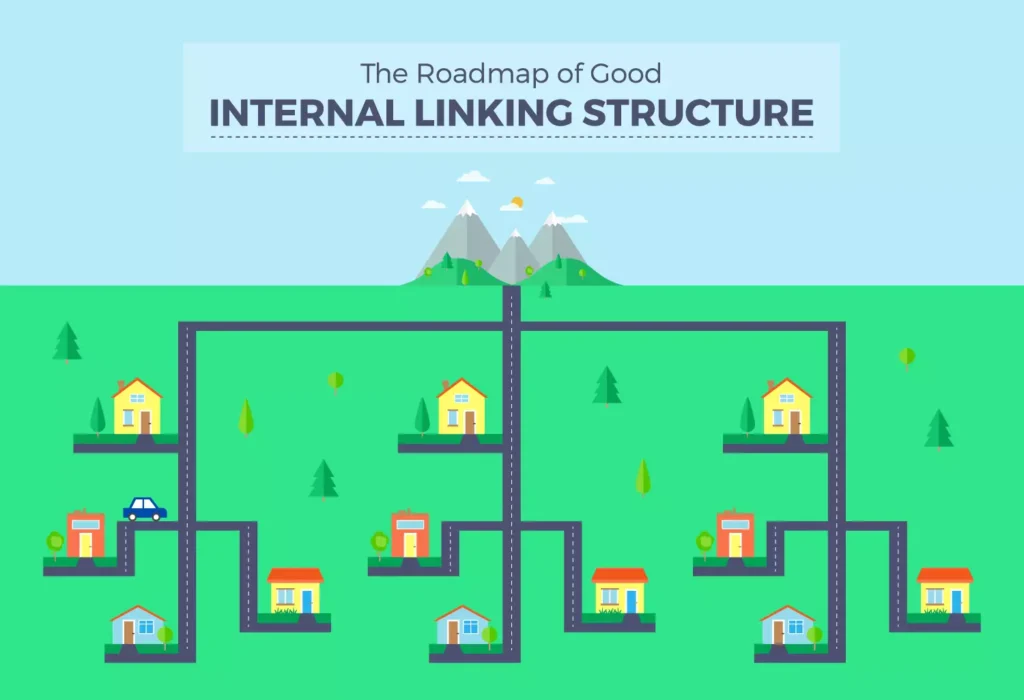
Links that guide visitors from one webpage to another within the same site are known as internal links. They help visitors discover related information and create a clear structure for website content.
For example, an article about SEO can link to related pages about keyword research, technical SEO, content optimization, or link building. These connections can help users continue learning about a topic.
Descriptive anchor text can provide useful context about the destination page. However, internal links should be natural and relevant rather than being added excessively.
A well-organized site structure also makes it easier to manage content. Important pages should not be difficult for users or search engines to find.
Backlinks and Website Reputation
Links from other websites can sometimes provide signals about the reputation and usefulness of content.A relevant mention from a respected website may be more valuable than many low-quality links. Website owners should focus on creating content that other people naturally want to reference.
Publishing useful resources, original research, detailed guides, and valuable tools can encourage natural links over time.
Artificial link schemes designed only to manipulate search results can create problems. A safer long-term strategy is to focus on useful content and genuine relationships within a relevant industry.
Content Freshness and Updates
Some topics change frequently, while others remain useful for years. For topics involving technology, software, news, or current trends, updating information can be particularly important.
Website owners should review important articles regularly and correct outdated information. New developments, statistics, and changes in industry practices may need to be reflected in the content.
Updating a page should improve its usefulness rather than simply changing dates without meaningful changes. Fresh and accurate content can provide a better experience for readers.
Trust, Expertise, and Content Quality
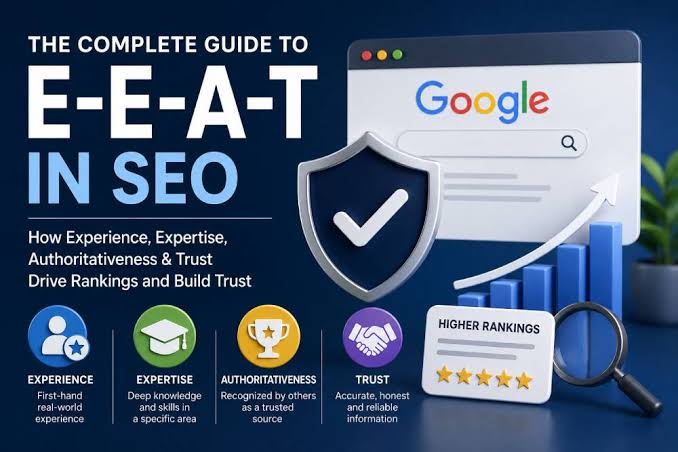
People want information they can trust. Websites should clearly communicate who is responsible for their content and provide accurate information.
For important topics, content should be written or reviewed with appropriate knowledge and experience. Clear author information, accurate sources where appropriate, and transparent website details can contribute to user trust.
Website owners should avoid misleading claims and low-quality content created only to attract traffic. Building a trustworthy online presence takes time and requires consistent effort.
The Importance of a Complete SEO Strategy
Successful SEO involves multiple areas working together. High-quality content may struggle if search engines cannot properly access a website. A technically strong website may also have difficulty attracting visitors if its content does not answer users’ questions.
For this reason, website owners should take a balanced approach. Content creation, technical improvements, internal linking, usability, and reputation should all be considered as part of a larger SEO strategy.
SEO results can take time. Instead of looking for shortcuts, website owners should focus on continuous improvement and providing genuine value to users.
Conclusion
Understanding Google Ranking Factors can help website owners develop better SEO strategies. Search performance is influenced by many different signals and systems, so there is no single action that guarantees a top ranking.
Creating useful and relevant content, maintaining a technically accessible website, improving usability, organizing internal links, and building a trustworthy reputation are all valuable areas to focus on.
The most effective long-term strategy is to prioritize users. When a website provides accurate information, solves real problems, and offers a smooth experience, it creates a stronger foundation for sustainable search visibility.
SEO requires patience and regular improvement, but focusing on quality can help websites build long-term success in search results.
FAQs About Google Ranking Factors
1. What are Google Ranking Factors?
Google Ranking Factors refer to various signals and systems used by Google Search to help determine how pages are presented for relevant search queries.
2. Is content important for Google rankings?
Yes. Helpful, relevant, and well-organized content is an important part of a strong SEO strategy because it helps answer users’ search queries.
3. Do keywords help with SEO?
Keywords help communicate the topic of a page. They should be used naturally and should never be repeated excessively.
4. Are backlinks still useful for SEO?
Links can help search engines understand relationships and signals of reputation, but quality and relevance are more important than simply having a large number of links.
5. How long does SEO take to show results?
SEO timelines vary depending on competition, website quality, technical issues, content, and many other factors. Consistent improvement is generally more effective than expecting immediate results.