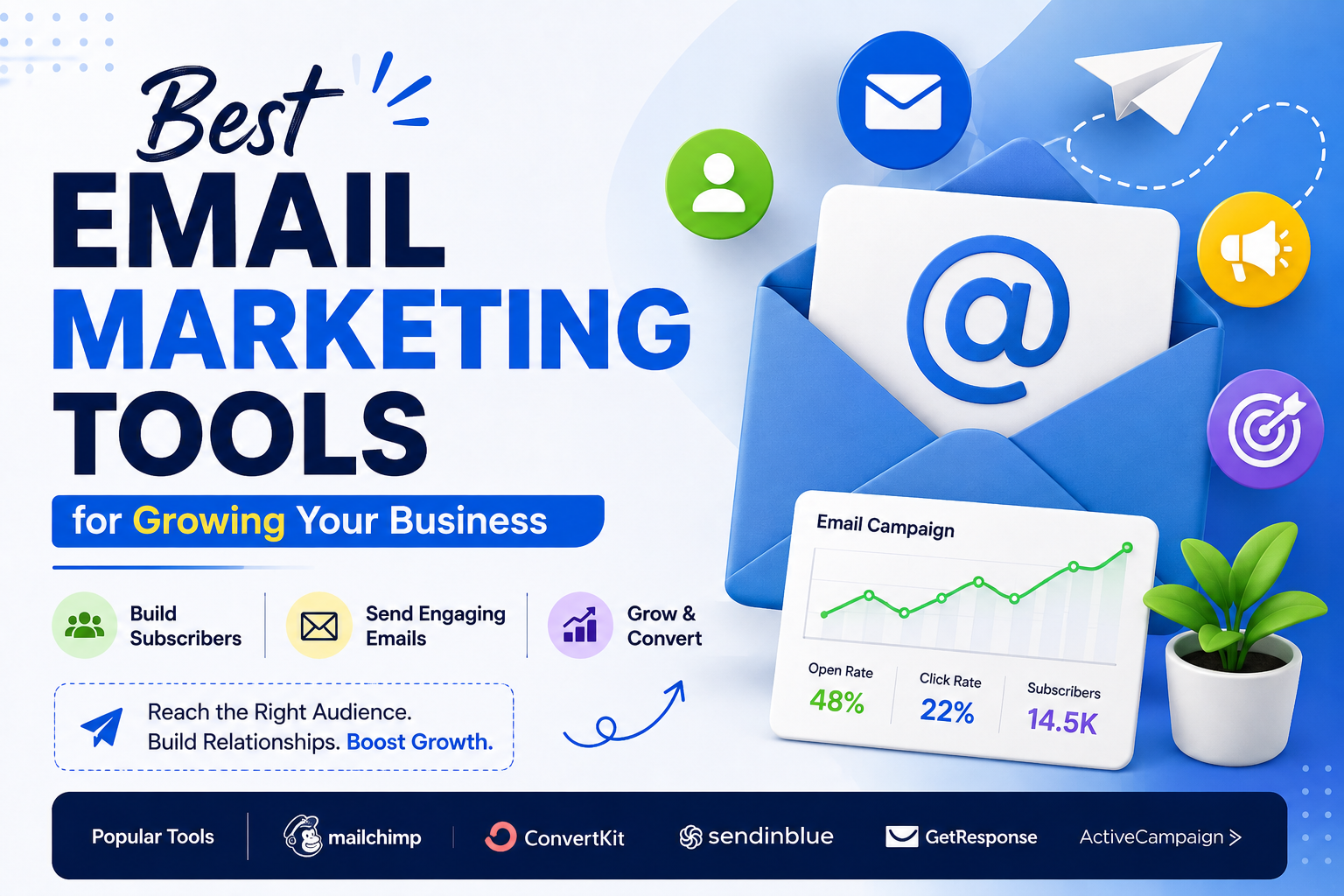

Email remains one of the most useful channels for communicating with customers, subscribers, and potential buyers. Businesses can use email to share product updates, promote offers, send educational content, recover inactive customers, and build long-term relationships.
However, managing an email campaign manually can become difficult as a subscriber list grows. Marketers need tools for creating emails, organizing contacts, scheduling campaigns, monitoring results, and automating repetitive tasks.
This is where the best email marketing tools can make a difference. These platforms bring multiple marketing functions into one place and help businesses manage campaigns more efficiently.
What Is an Email Marketing Tool?
An email marketing tool is software that helps businesses create, send, and manage email campaigns. Depending on the platform, it may also provide automation, audience segmentation, analytics, templates, forms, and customer management features.
Instead of sending messages individually, marketers can create a campaign once and deliver it to a selected audience.
For example, an online store can send a promotional email to customers who previously purchased a particular product. A blog can automatically send new articles to subscribers. A service business can create a sequence of emails for new leads.
The right platform depends on the business model, audience size, marketing goals, and required features.
Why Businesses Need Email Marketing Software
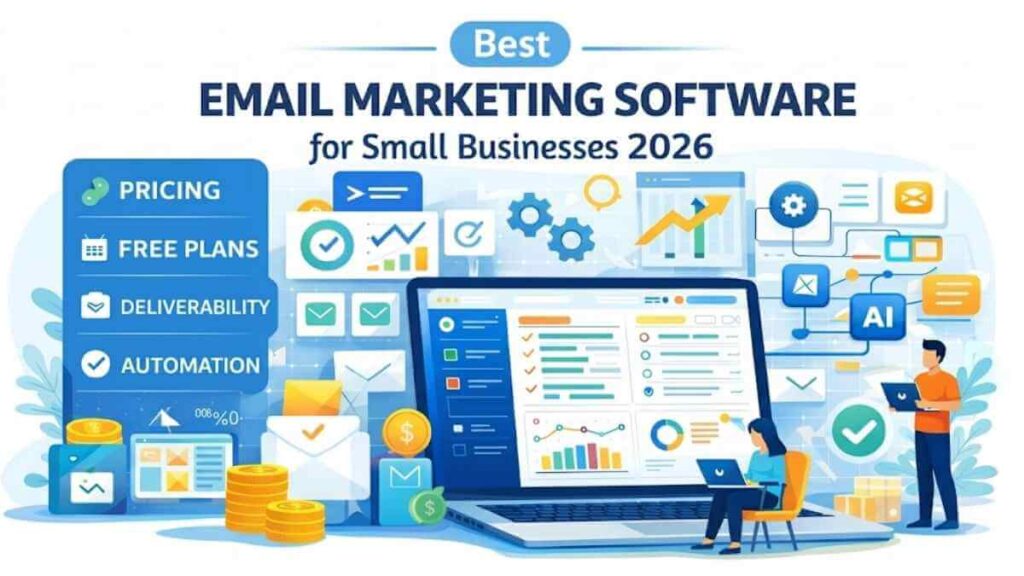
Sending emails manually is possible for a very small audience, but it becomes inefficient as the subscriber list grows.
Email marketing platforms provide tools that make campaign management easier. They can help marketers organize contacts, create professional messages, schedule campaigns, and understand how recipients interact with emails.
Automation is another major advantage. Instead of performing the same task repeatedly, marketers can create workflows that respond to subscriber actions.
This allows businesses to spend more time creating useful content and improving their overall marketing strategy.
Email Campaign Creation
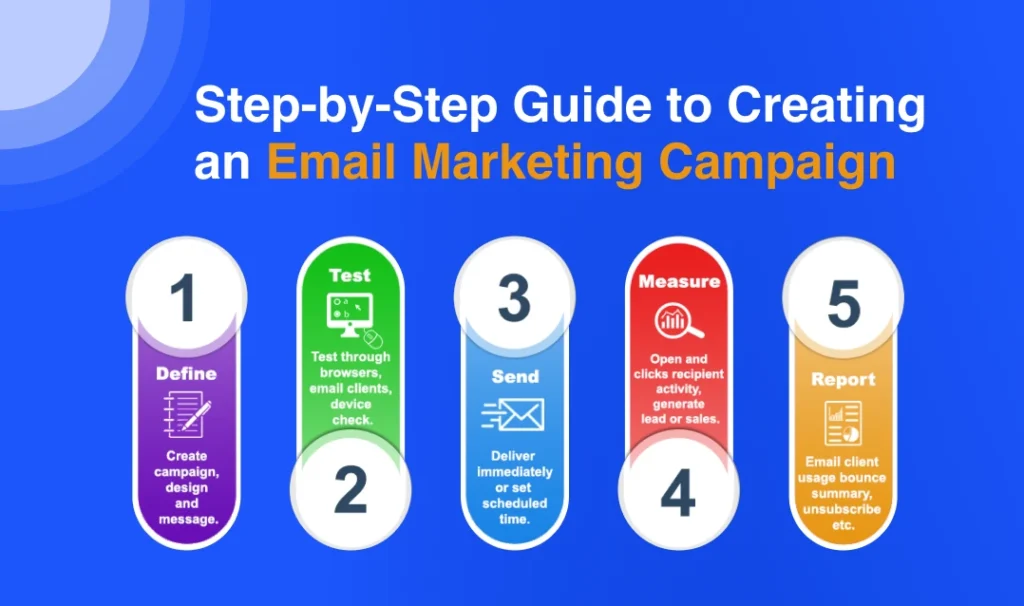
A good email marketing platform should make campaign creation straightforward.
Most modern tools provide visual editors that allow marketers to build emails without extensive coding knowledge. Users can typically add headings, images, buttons, text sections, links, and other content elements.
Templates can also reduce design time. Instead of creating every email from an empty page, marketers can start with a pre-built structure and customize it according to their brand.
A consistent design can make business emails look more professional and recognizable.
Email Automation
Automation is one of the most valuable features available in modern email marketing software.
Businesses can create automated workflows based on events or subscriber actions. For example, a new subscriber could receive a welcome email immediately after joining a mailing list.
Additional messages can then be sent at planned intervals.
Automation can also be used for abandoned carts, customer onboarding, event reminders, educational sequences, and re-engagement campaigns.
The main benefit is consistency. Once a workflow has been properly configured, the system can perform repetitive communication tasks automatically.
Audience Segmentation
Not every subscriber has the same interests.
Sending identical messages to an entire database may reduce engagement because some content may not be relevant to every recipient.
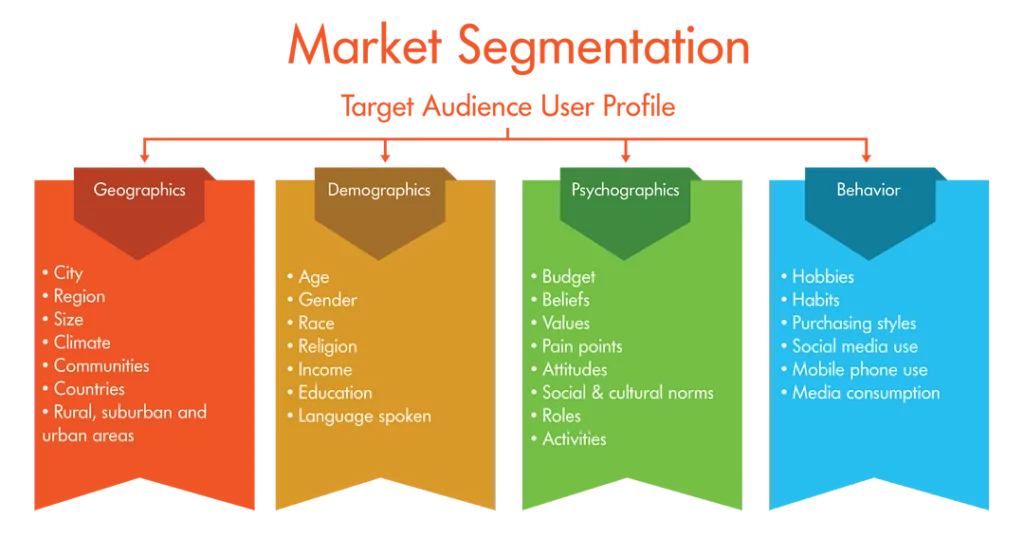
Segmentation allows marketers to divide their audience into groups based on useful information.
Possible segments include new subscribers, existing customers, inactive contacts, previous buyers, location, interests, or engagement behavior.
For example, an e-commerce business could create separate campaigns for first-time customers and returning customers.
More relevant messages can help improve the overall quality of an email campaign.
Personalization
Personalized emails can make communication feel more relevant to recipients.
Email platforms may allow marketers to insert subscriber information into messages. A campaign could include a customer’s name or display content based on specific audience information.
Personalization should be used carefully. Adding a name to an email is not enough to make a campaign genuinely useful.
The content itself should provide value to the recipient.
Email Templates
Designing every campaign from scratch can consume unnecessary time.
Email templates provide reusable structures for newsletters, announcements, promotional campaigns, welcome messages, and other types of communication.
Businesses can customize templates with their own logos, colors, images, typography, and messaging.
Responsive templates are especially important because many people read emails on smartphones. A message should remain easy to read and interact with across different screen sizes.
Analytics and Reporting
An email campaign should not end when the message is sent.
Marketers need to understand how subscribers responded to the campaign. Email marketing tools usually provide reporting features that help measure campaign performance.
Common metrics include open rates, click rates, delivery results, unsubscribes, and conversions.
These numbers can reveal which campaigns are performing well and which areas need improvement.
For example, a campaign may receive many opens but very few clicks. This could indicate that the subject line is effective while the email content or call to action needs improvement.
A/B Testing
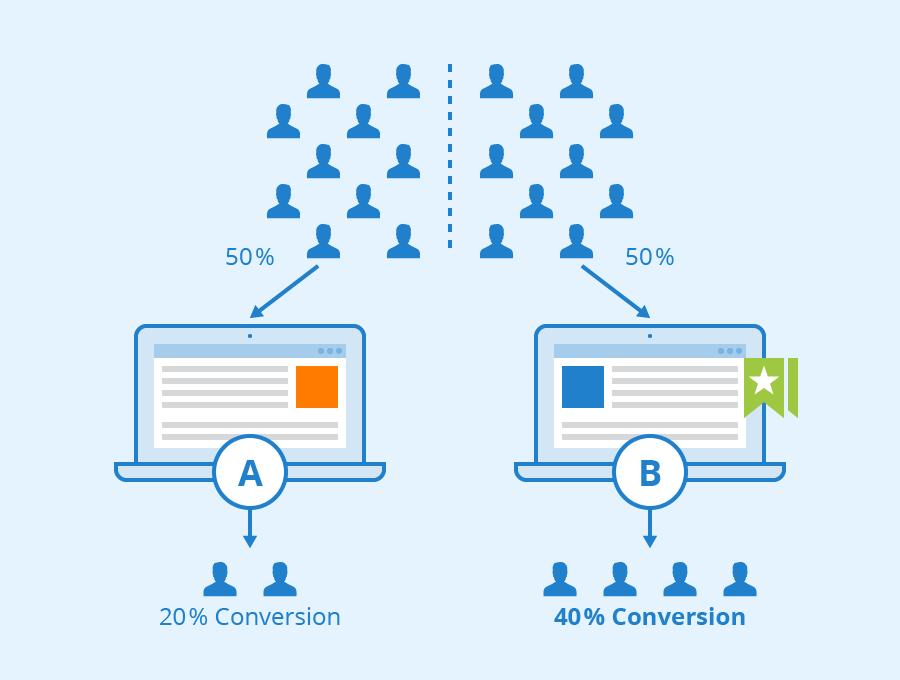
A/B testing allows marketers to compare different versions of an email.
They might test two subject lines, different calls to action, alternative designs, or variations in email content.
The goal is to determine which version produces better results.
Testing should focus on one meaningful variable at a time when possible. This makes the results easier to understand.
Over time, repeated testing can help businesses learn more about their audience.
Contact List Management
Maintaining an organized subscriber database is important for effective email marketing.
Email platforms can provide tools for adding contacts, importing lists, managing subscriber preferences, and removing unwanted addresses.
List quality also matters for deliverability. Businesses should avoid purchasing random email lists because recipients may not have given permission to receive marketing messages.
Permission-based lists generally provide a better foundation for long-term email communication.
Email Deliverability
A successful campaign is useless if messages do not reach subscribers.
Deliverability refers to the ability of emails to reach recipients’ inboxes rather than being rejected or filtered into spam folders.
Several factors can affect deliverability, including sender reputation, message quality, authentication, engagement, and list hygiene.
Businesses should follow email marketing regulations and use proper authentication methods where applicable.
They should also provide a clear way for recipients to unsubscribe.
Integrations With Other Platforms
Email marketing becomes more useful when it can work alongside other business tools.
Depending on the platform, integrations may connect email software with websites, online stores, customer relationship management systems, analytics platforms, forms, and other marketing services.
For example, an online store could use customer purchase information to create more relevant email campaigns.
Integrations reduce the need to manually transfer information between different systems.
How to Choose the Right Email Marketing Tool
There is no single email platform that is perfect for every business.
Before choosing a tool, consider the size of your subscriber list and the number of emails you expect to send.
You should also evaluate automation features, templates, analytics, segmentation, integrations, ease of use, and available customer support.
Pricing is another important factor. Some platforms offer free plans with limits, while others charge based on contacts, emails, or advanced features.
It is better to choose a platform that fits your current requirements while leaving enough room for future growth.
Common Email Marketing Mistakes
Using an email platform does not automatically guarantee successful campaigns.
One common mistake is sending too many promotional messages. Subscribers may lose interest if every email is focused on selling.
Another problem is poor mobile formatting. An email that looks good on a desktop but is difficult to read on a phone can hurt engagement.
Businesses should also avoid unclear subject lines, irrelevant content, purchased lists, and excessive links.
Most importantly, email marketing should provide genuine value to subscribers.
Final Thoughts
The best email marketing tools can simplify many parts of digital marketing, from campaign creation and automation to segmentation and performance tracking.
The right platform can help a business communicate with its audience more consistently while reducing repetitive manual work.
However, software is only one part of a successful email strategy. Businesses still need valuable content, permission-based subscriber lists, relevant messaging, clear calls to action, and regular performance analysis.
Instead of choosing a tool only because it has a long feature list, consider your actual marketing requirements. A simple platform may be enough for a small newsletter, while a growing e-commerce business may need advanced automation, segmentation, and integrations.
Choosing the right system and using it strategically can turn email into a reliable channel for customer communication and business growth.
FAQs
1. What are email marketing tools?
Email marketing tools are software platforms that help businesses create, send, automate, and analyze email campaigns while managing subscriber lists.
2. What features should an email marketing tool have?
Important features can include email templates, automation, contact management, segmentation, analytics, A/B testing, integrations, and tools for managing subscriber preferences.
3. Is email marketing useful for small businesses?
Yes. Small businesses can use email marketing to communicate with customers, promote services, share updates, nurture leads, and encourage repeat purchases.
4. Why is email automation important?
Automation allows businesses to send scheduled or action-based messages without manually handling every email. This can save time and create more consistent communication.
5. How do I choose the best email marketing tool?
Compare your audience size, sending requirements, automation needs, available integrations, analytics, ease of use, support, and pricing before selecting a platform.